
- home
- journeys
the trans-himalayan drift: zangskar (10 days)
introduction
about
The Trans-Himalayan Drift is a series of packrafting river expeditions through the stark, cold desert landscapes of the high-altitude Trans-Himalayas and the Indus river systems. Ancient waterways run through this terrain, once revered as deities and woven into the region’s oldest myths. Later, these waterways became vital arteries of the Silk Trade that carried culture, migration, and wisdom across mountains to the great cities of Central Asia. Uniquely shaped by the collision of the Indian and Eurasian plates, this is a region of geological marvel unlike anything we can imagine.
The second edition follows the waters of the Stod and Zangskar rivers through one of the most dramatic landscapes of the Trans-Himalayas.
Beginning in the Suru Valley, we travel towards the Stod, a primary tributary of the Zangskar, fed by glacial melt from the Drang-Drung Glacier. From here, we take to the water and follow the river downstream, joining the Zangskar and continuing along its course paddling for over 100 kilometres in total. The route unfolds between the Zangskar, Ladakh and great Himalayan ranges, with the towering peaks of Nun and Kun, Doda and Hagshu rising above the valley.
Zangskar, whose name translates to the ‘land of white copper’, has a history that stretches back centuries, with archaeological remains pointing to an even older human presence in the valley. Buddhism is deeply rooted in its cultural life, while Sunni Muslim communities have also lived here for generations. Over time, the two communities have developed longstanding relationships through shared customs and rituals.
High mountain passes connected Zangskar to Ladakh, Kashmir and beyond, carrying trade and facilitating cultural exchange. Yet, despite these connections, the valley remained difficult to access for much of the year, with heavy snowfall closing its passes through the winter. Life here has consequently been shaped by the demands of the terrain, fostering a distinct resilience and character.
Like all Knowhere Travel journeys, this is an exploration shaped as much by attention and discovery as by the adventure itself. We travel in small groups, on a land and water based expedition allowing the landscape to unfold at its own pace. It is an opportunity to experience the Trans-Himalayas from a different perspective — not simply passing through the valleys, but following the waterways that have shaped them.
itinerary
day 1
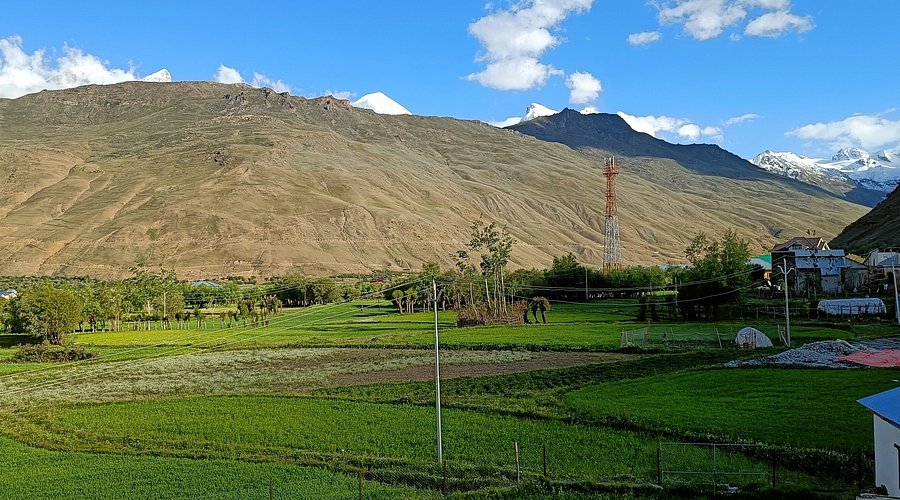
Guests are expected to arrive in Srinagar a day before the journey begins. On Day 1, we set off for Panikhar in the Suru Valley with a drive of approximately eight hours through the changing landscapes of Kashmir and Ladakh. As we move further into the mountains, the valley opens up, with villages, cultivated fields and rivers giving way to increasingly dramatic mountain scenery.
Panikhar sits in the shadow of the Nun-Kun massif, surrounded by some of the most striking peaks of the region. After arriving, take the rest of the day to unwind, explore the surroundings and enjoy a first taste of Kargili food.
days 2-3
The next two days are dedicated to preparing for the expedition. We begin with an orientation, meeting the team, getting familiar with our equipment and reviewing the safety protocols for the days ahead.
On Day 3, we head out to the Suru River for a practice session. This is an opportunity to get comfortable in the packrafts, work on paddling techniques and run through essential rescue drills before taking on the longer stretches of the Stod.
day 4
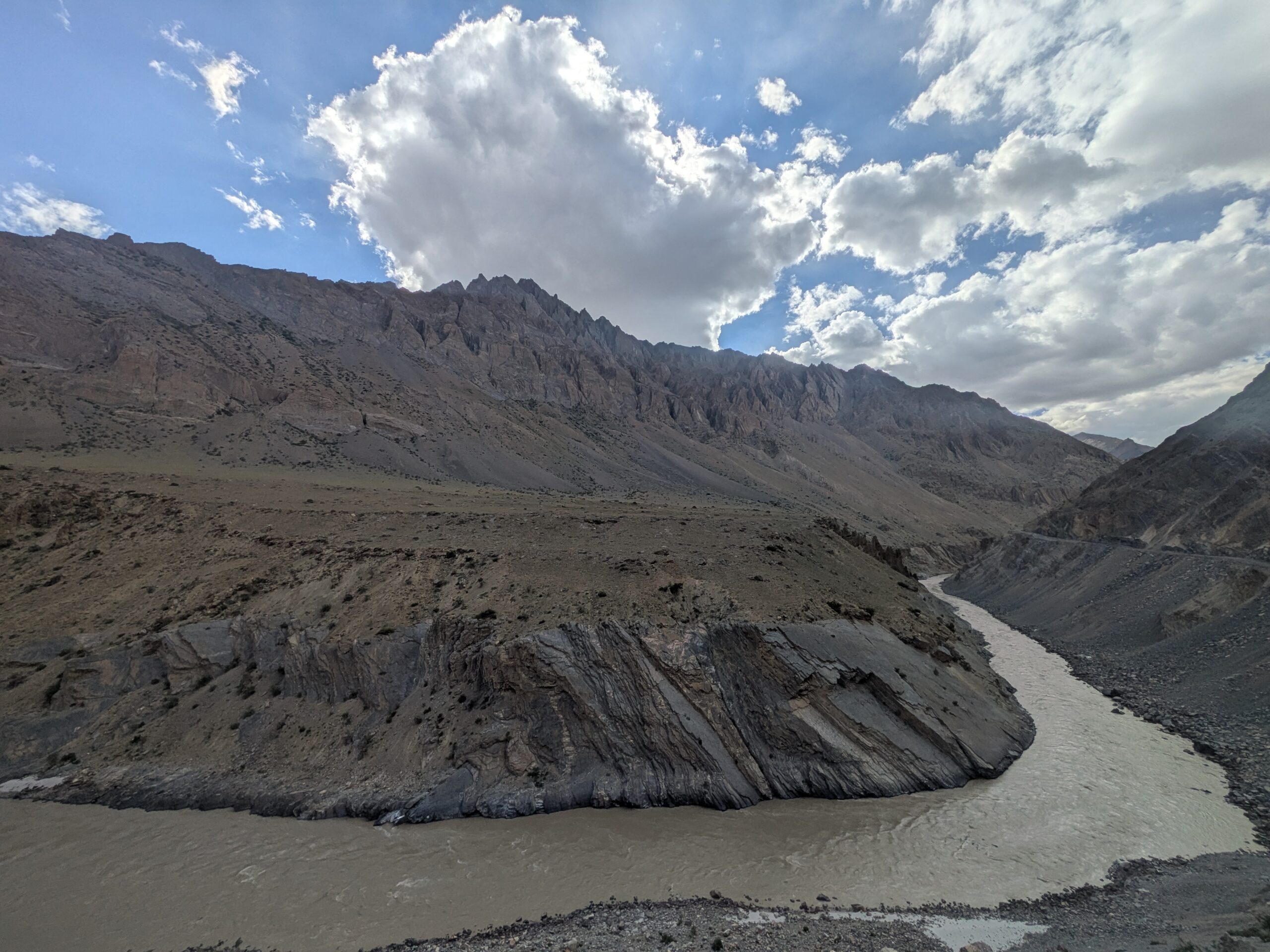
After breakfast, we drive for three hours to our put-in point on the Stod River. A major tributary of the Zangskar, the Stod carries glacial meltwater down from the Drang-Drung Glacier, flowing through a broad valley towards Padum.
Here, we prepare our gear, get onto the water and begin the expedition. Our first day on the river is an opportunity to settle into the rhythm of paddling for around 3 hours before reaching our first riverside campsite for the evening.
days 5-7
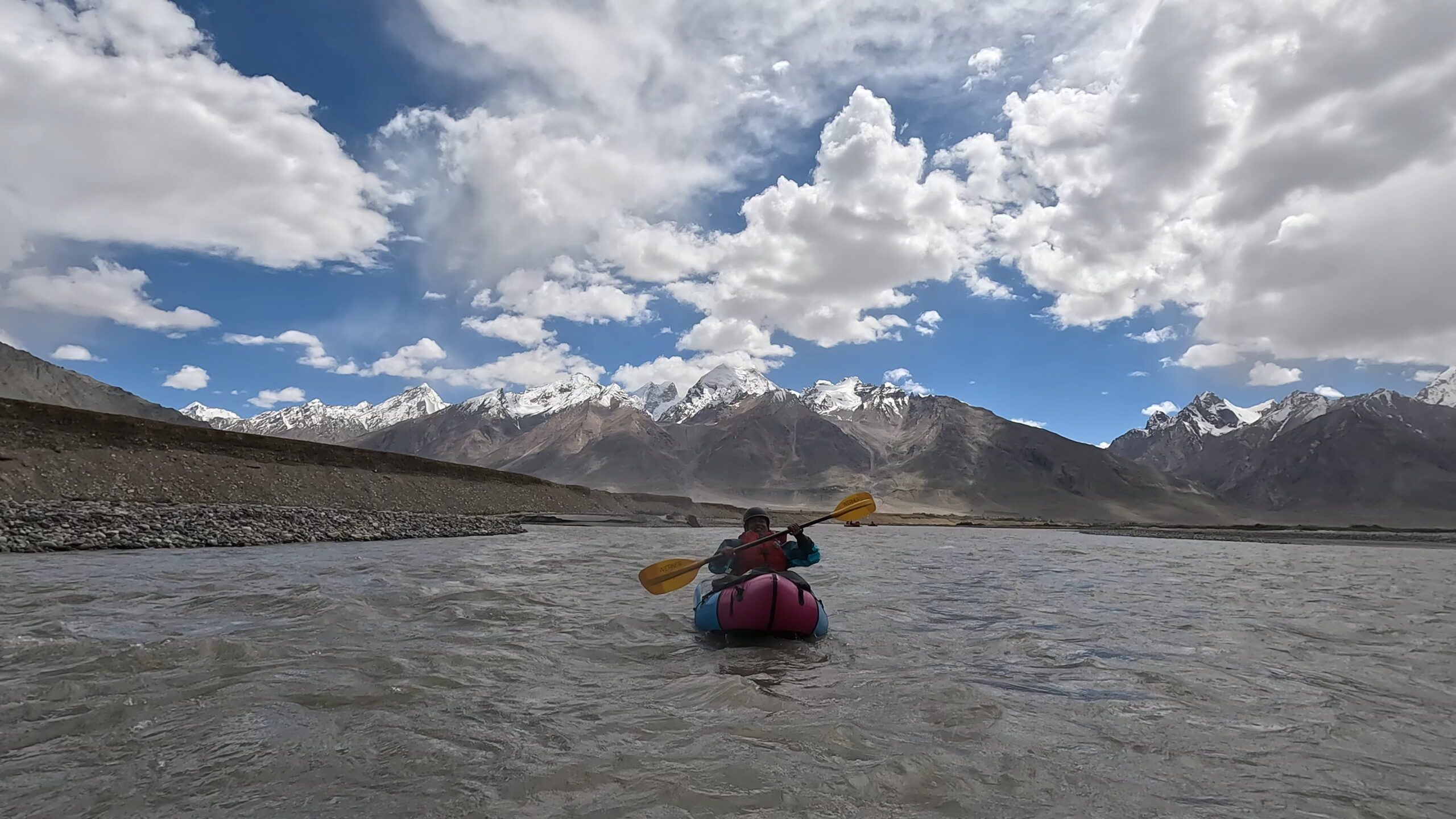
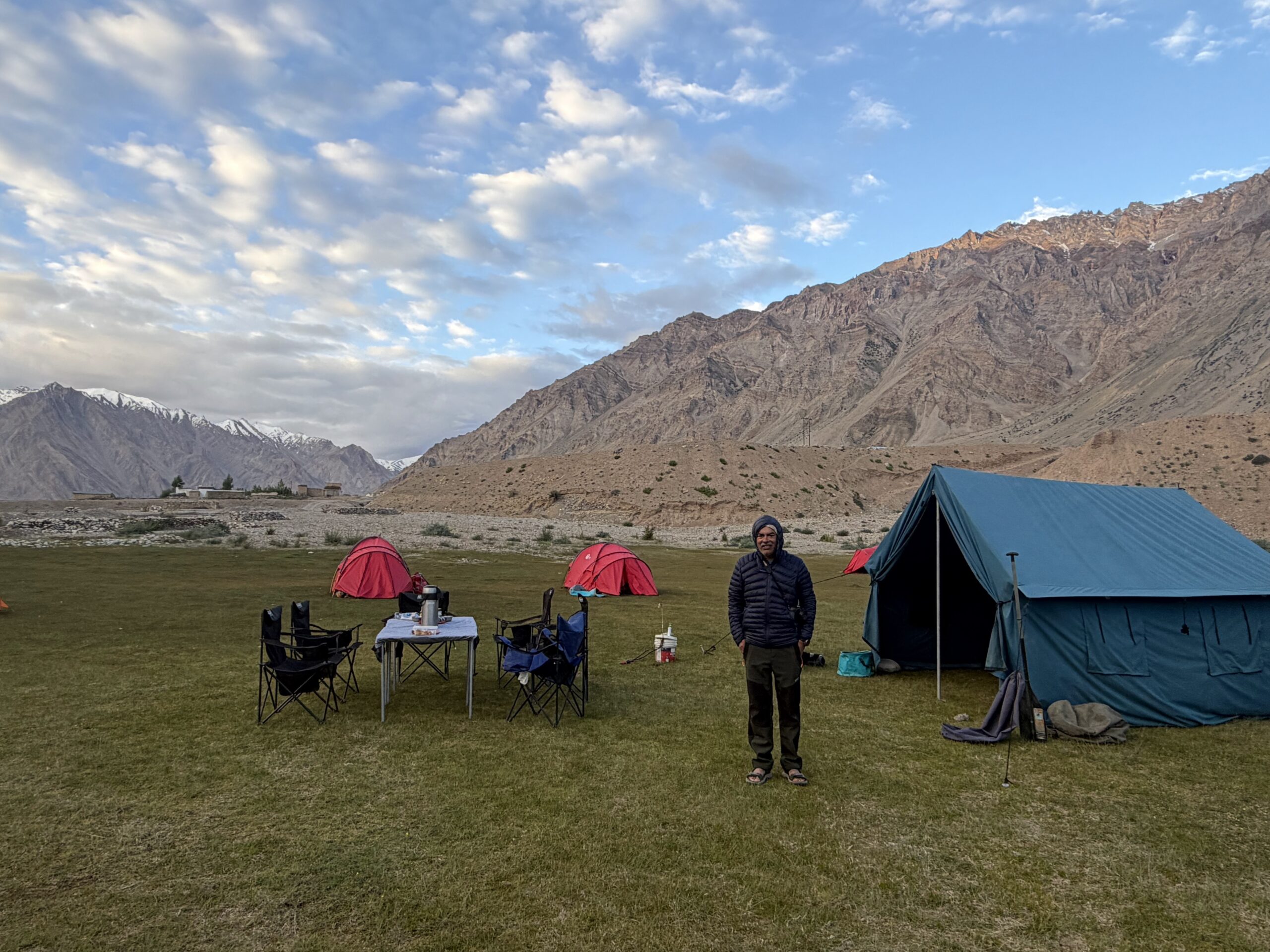
Over the next four days, we continue downstream, following the changing course of the Stod through the high-altitude landscape. The river carries us towards its meeting point with the mighty Zangskar river.
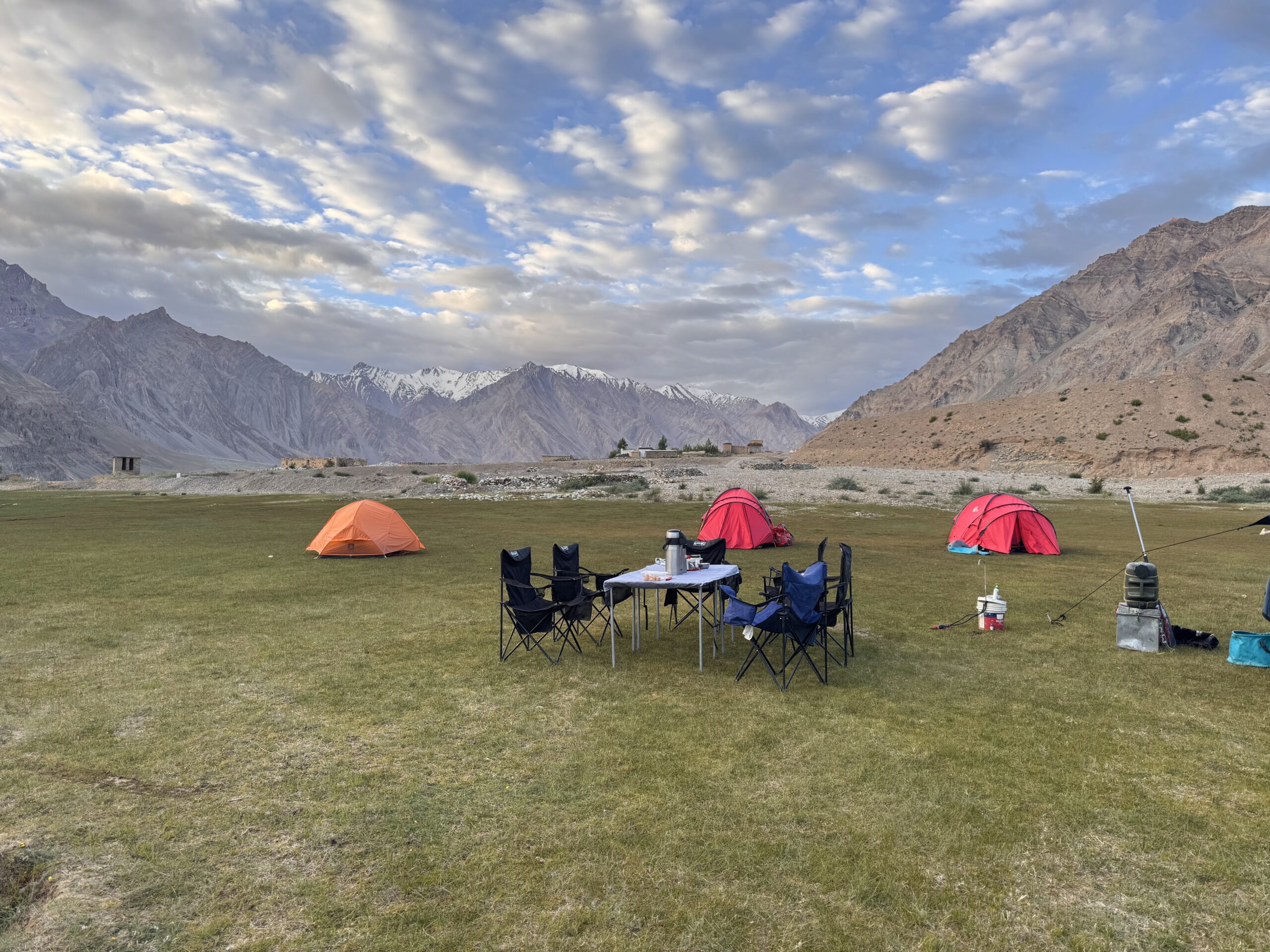
We spend our days on the water, our afternoons on small hikes exploring ancient monasteries, nunneries and geological sights around and our evenings at pristine riverside camps, with time to rest and take in the stillness of the mountains.
days 8-10
We take on the final stretch of the river before reaching our take-out point. From here, we pack up and drive approximately 3 hours towards the Indus Valley, crossing the confluence of the Zangskar and Indus.
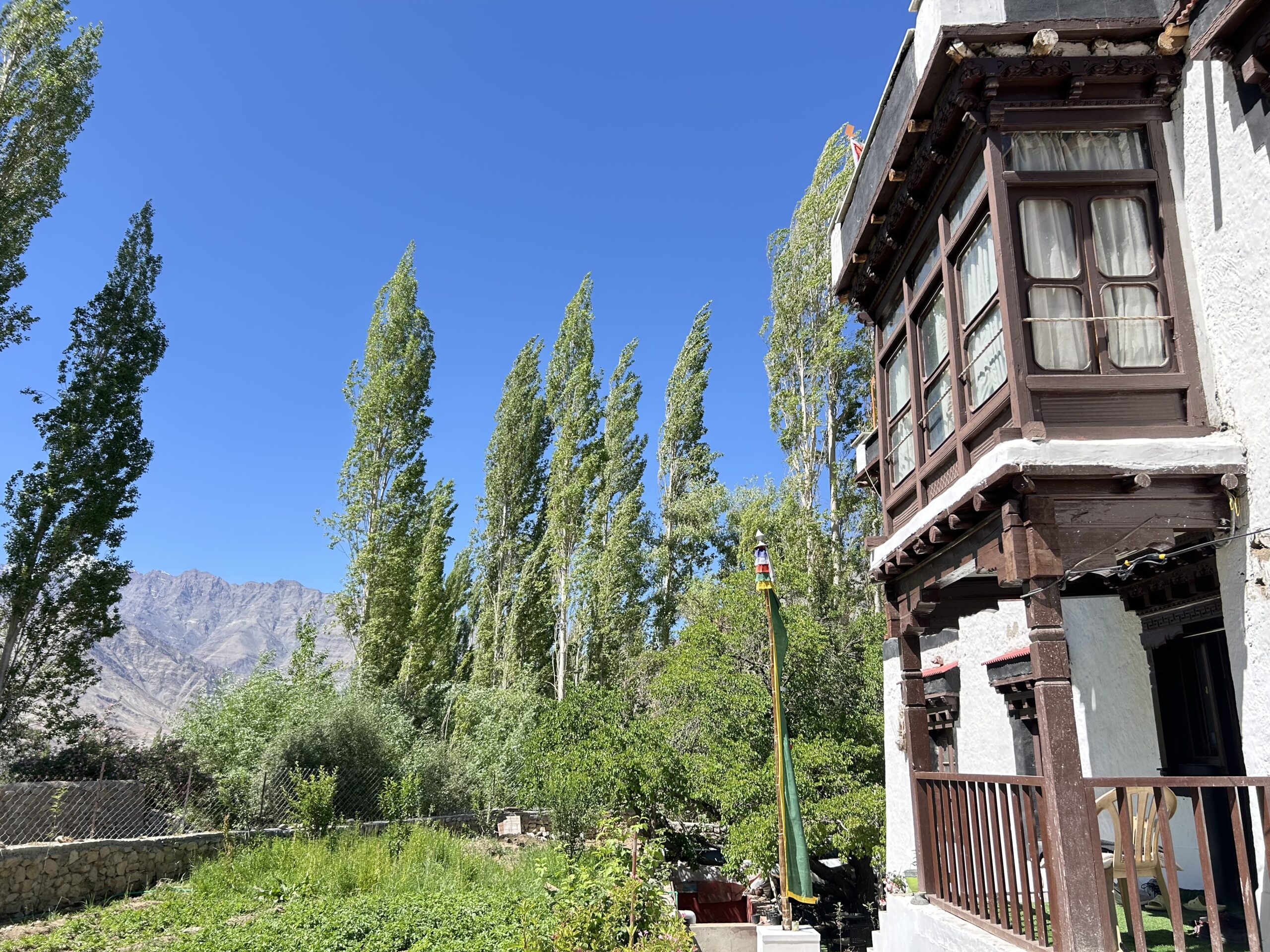
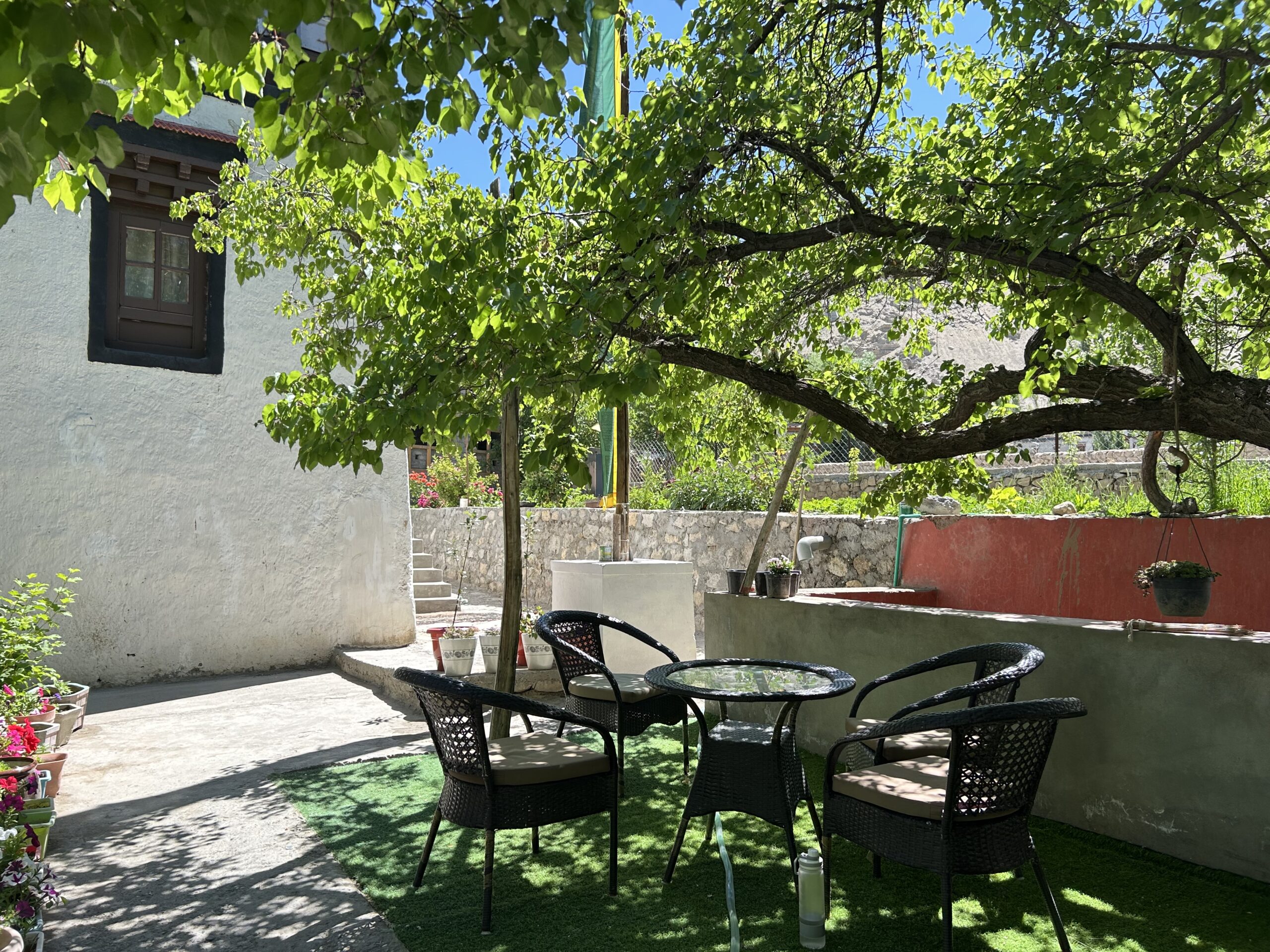
Our next two nights are spent at a heritage home in the Indus valley where there is time to clean up, rest and ease back into the comforts of being on land. The final afternoon is an opportunity to enjoy a traditional Ladakhi orchard meal experience.
After a final morning in Ladakh, we begin our onward journey. We hope to see you on the river again!
accommodation
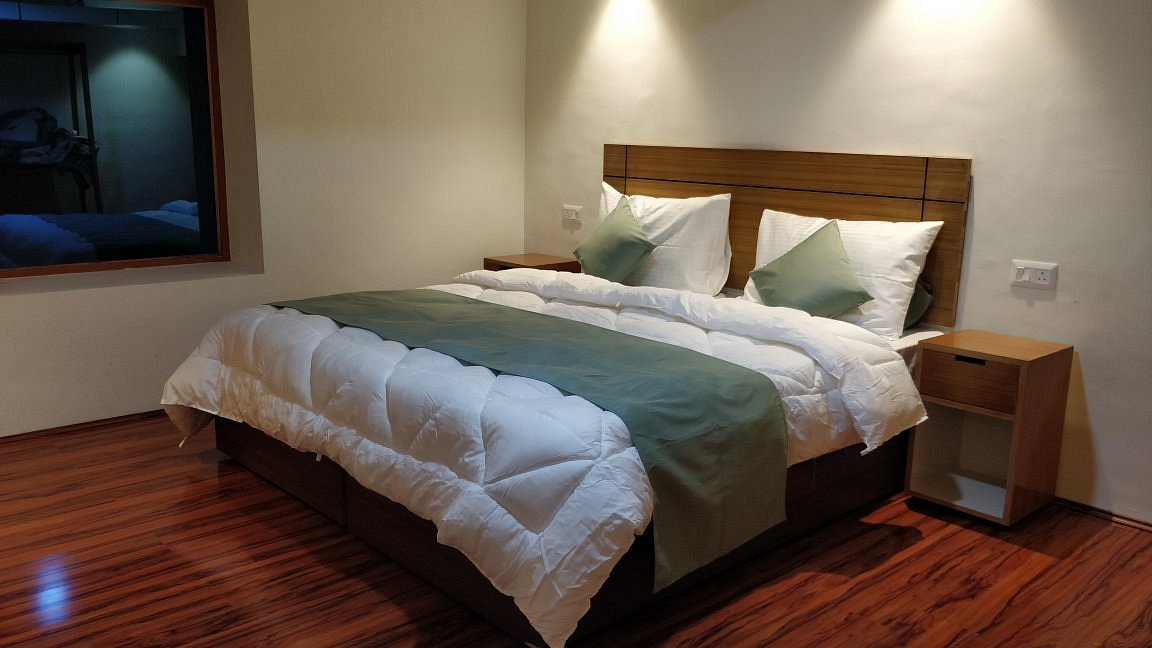
days 1 & 2: Guest House in Suru Valley
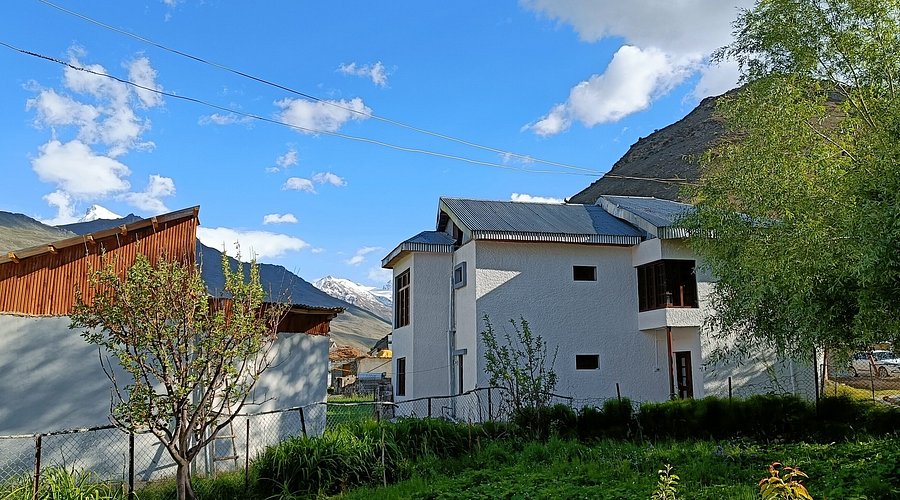
Your first two days in the Suru Valley are spent at The Magpie’s Nest, a small, family-run homestay in Panikhar, surrounded by the mountains of the upper valley.
Settle into its comfortable rooms, take in the views of the Nun-Kun massif, and ease into the pace of life here. The family’s warm hospitality, home-cooked meals and conversations make this a lovely place to rest and acclimatise before the expedition begins.
days 4 to 7: on the river
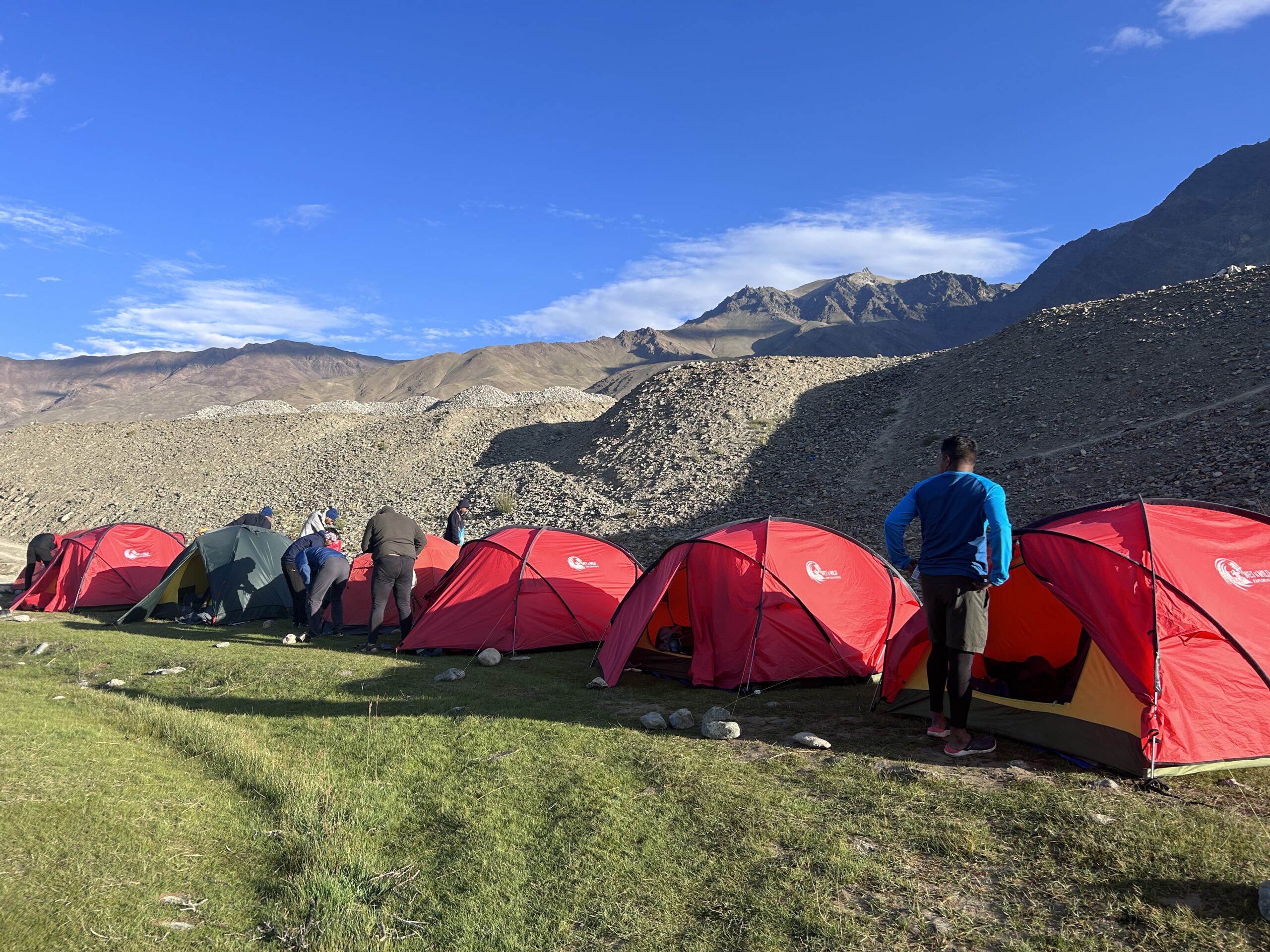
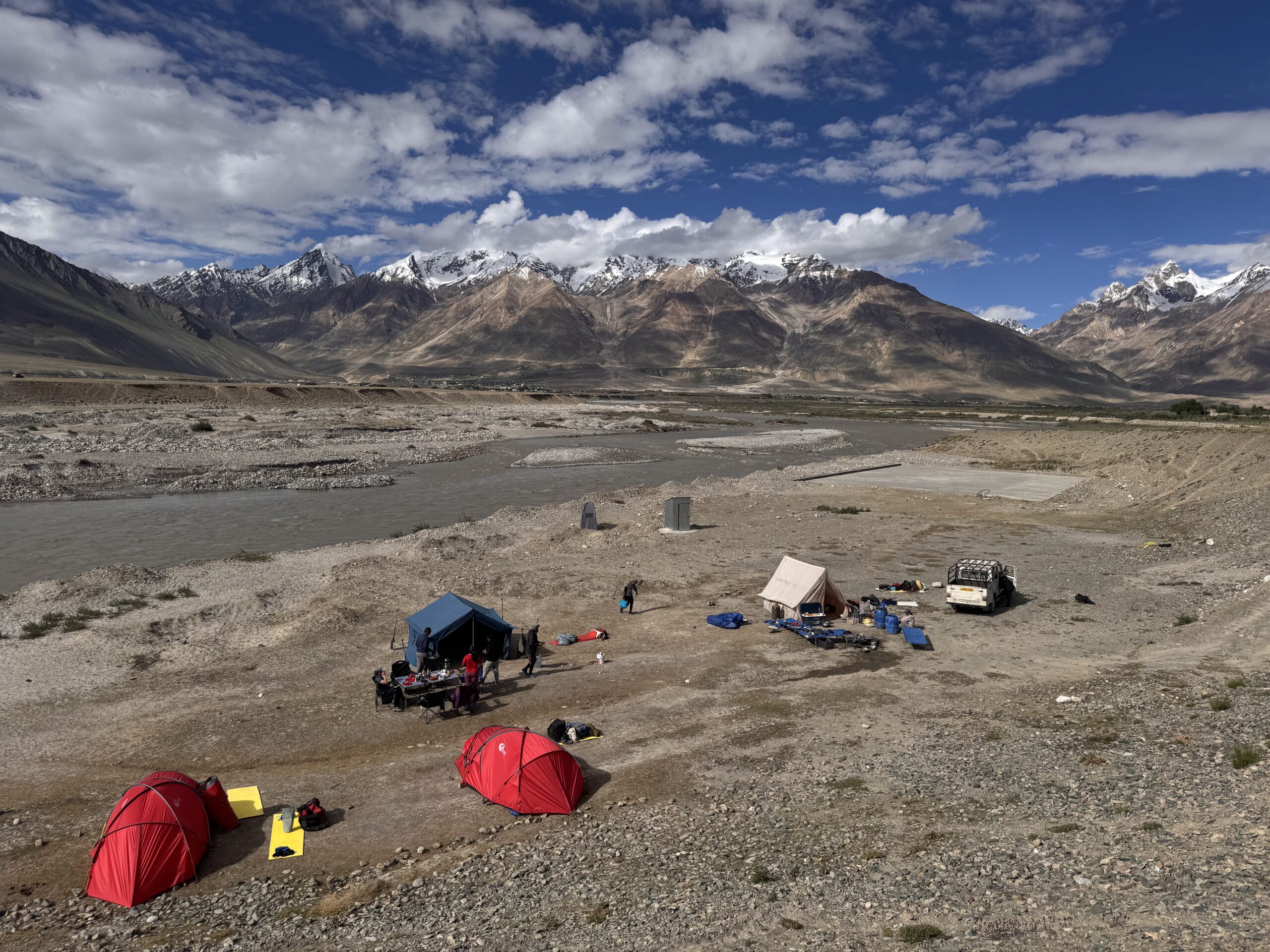
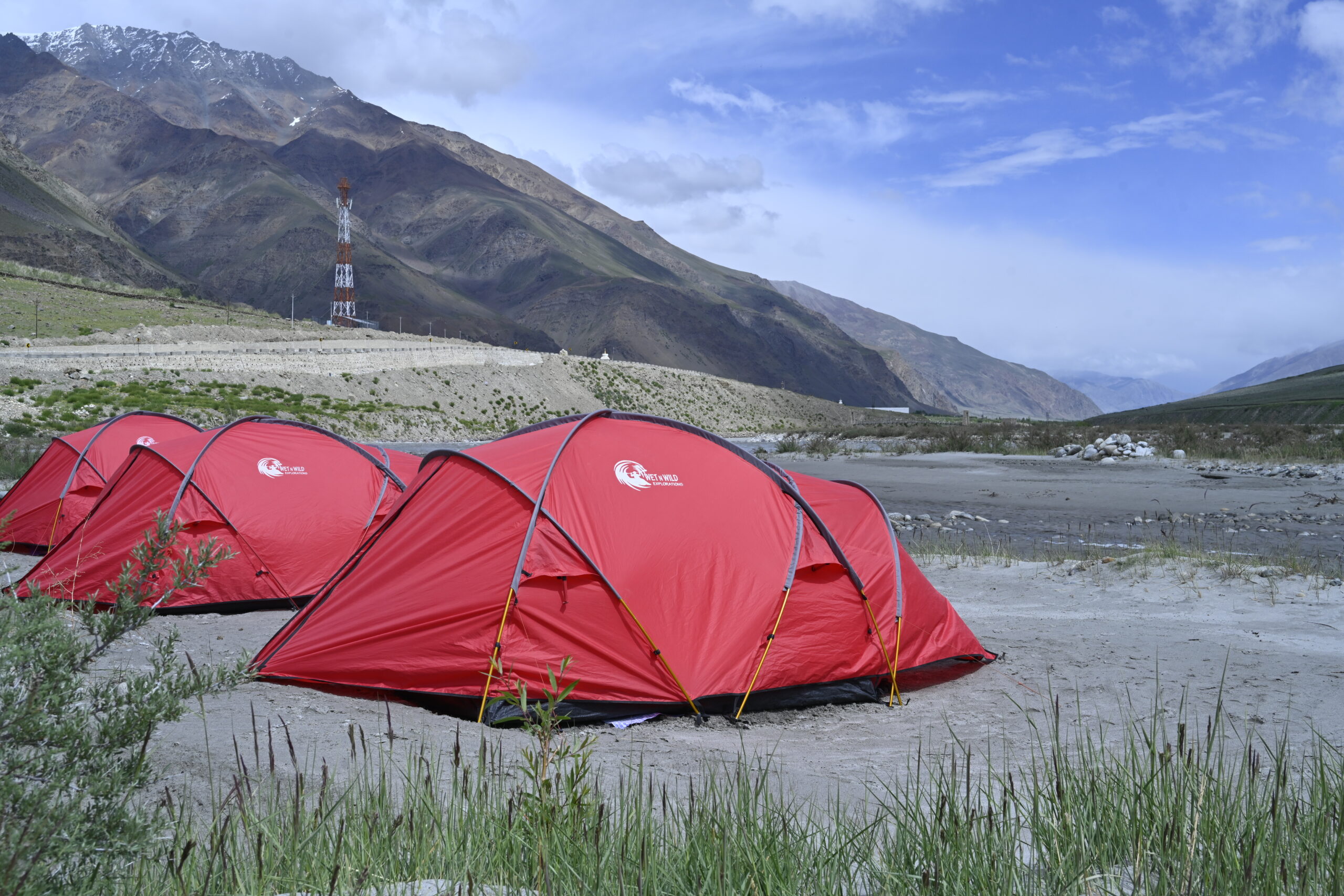
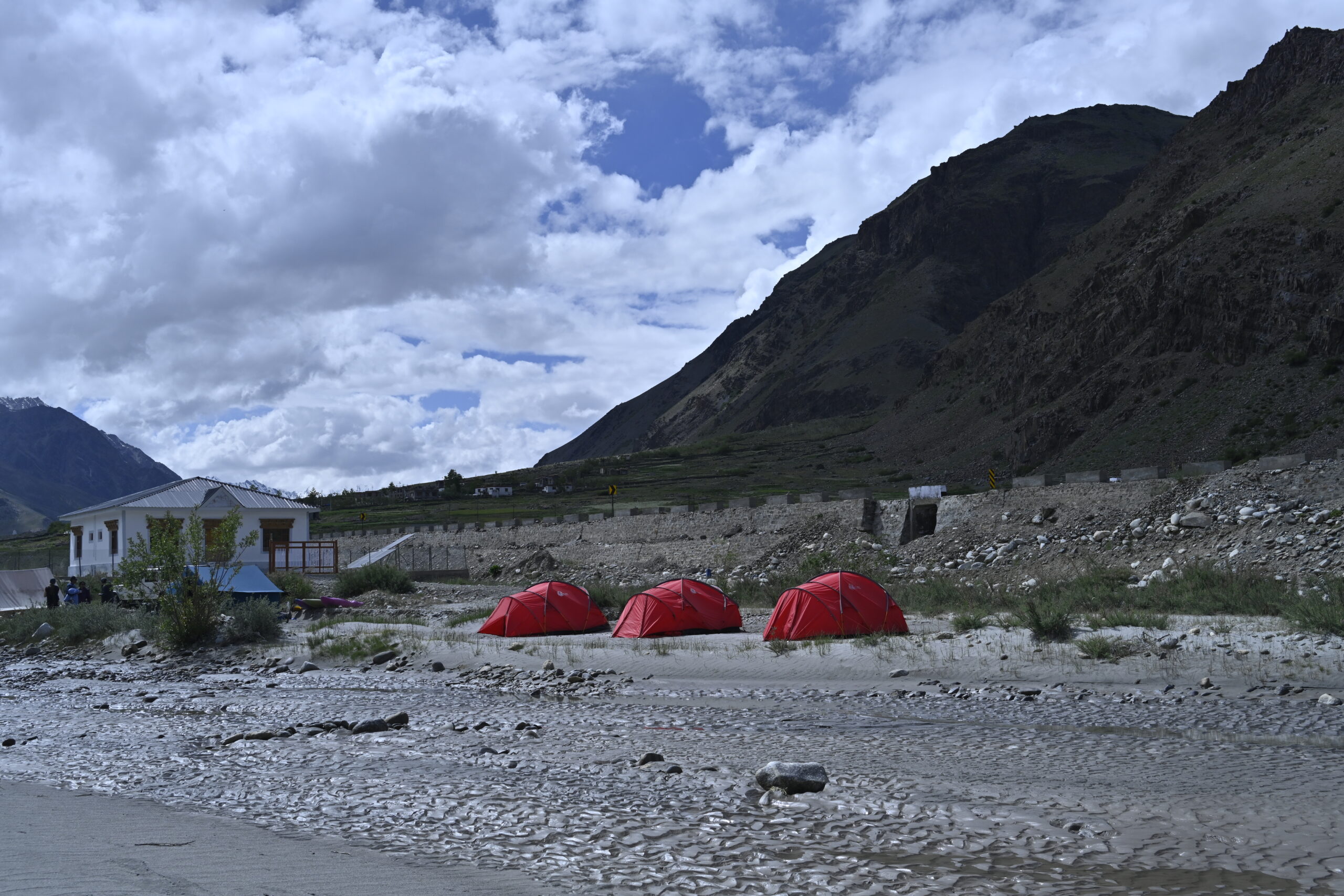
For five nights, you’ll camp at pristine spots along the river, carefully chosen to give you access to geological and historical sites and for nights that unfold skies with countless shooting stars and the Milky Way shining overhead. Sleep in spacious tents on a twin-sharing basis, with inflatable mattresses, warm sleeping bags, and hearty, wholesome meals prepared by the kitchen team. Campsites are equipped with dry-pit toilet tents. Guests participate in helping set up and close camp every day.
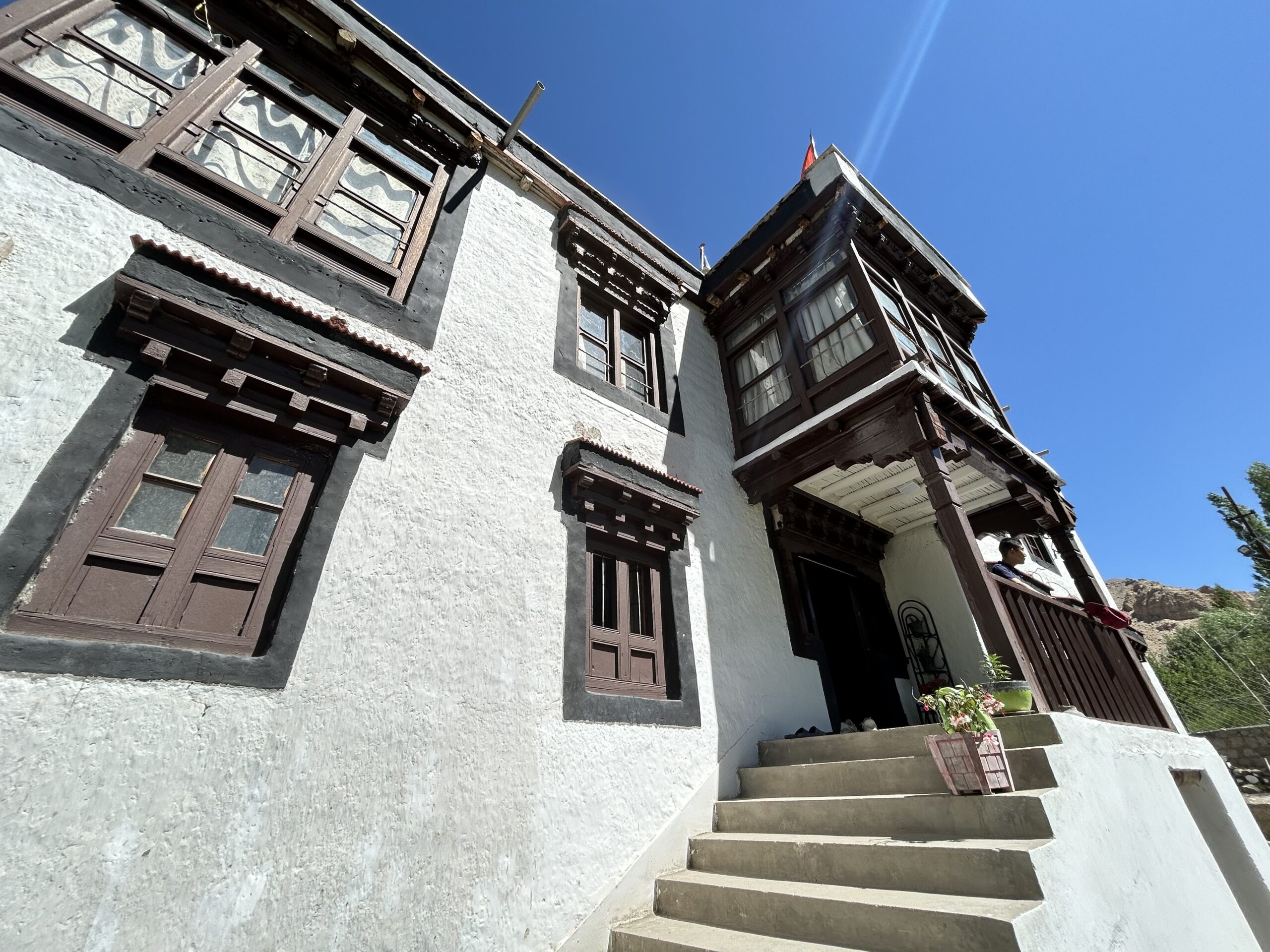
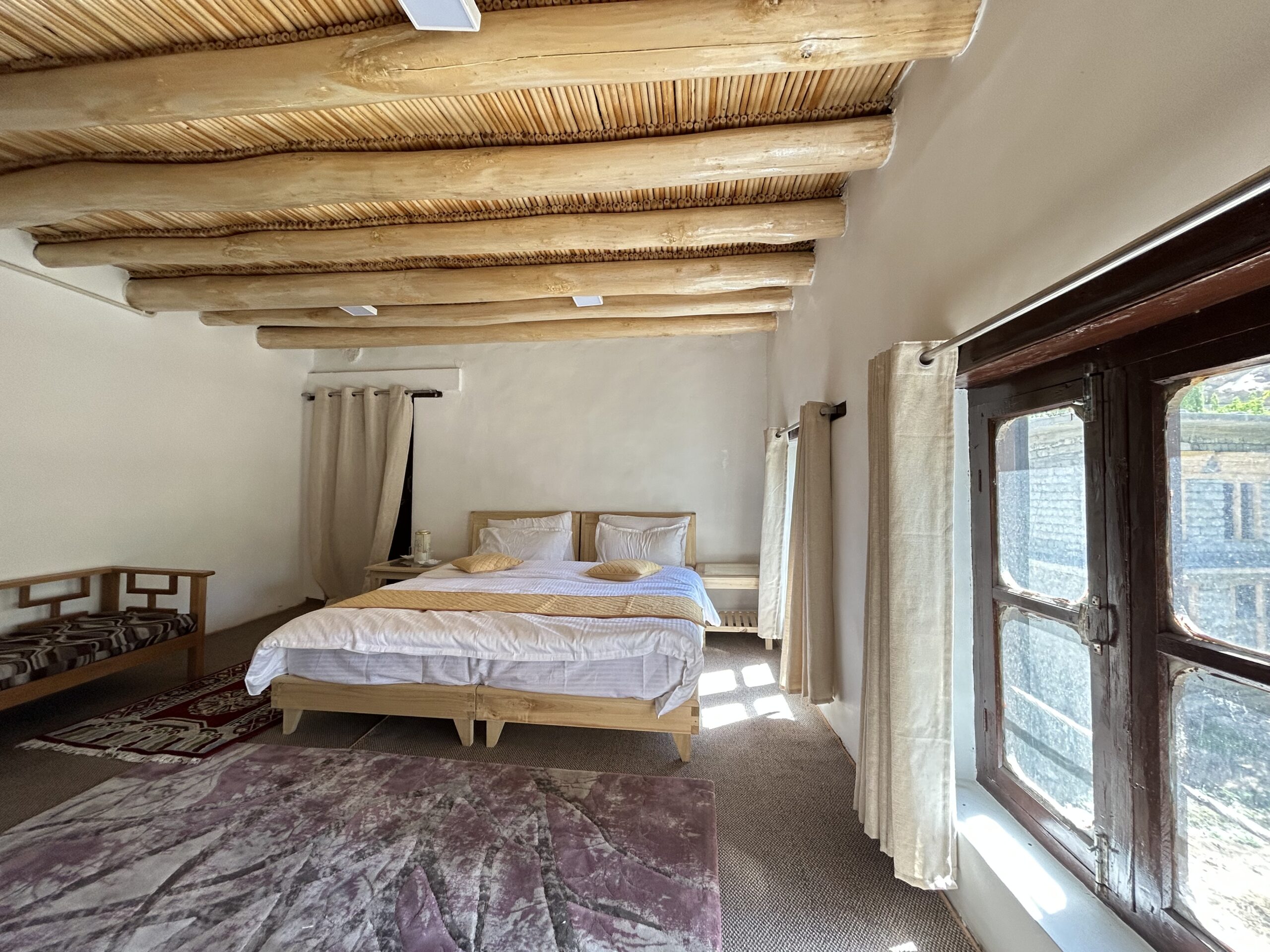
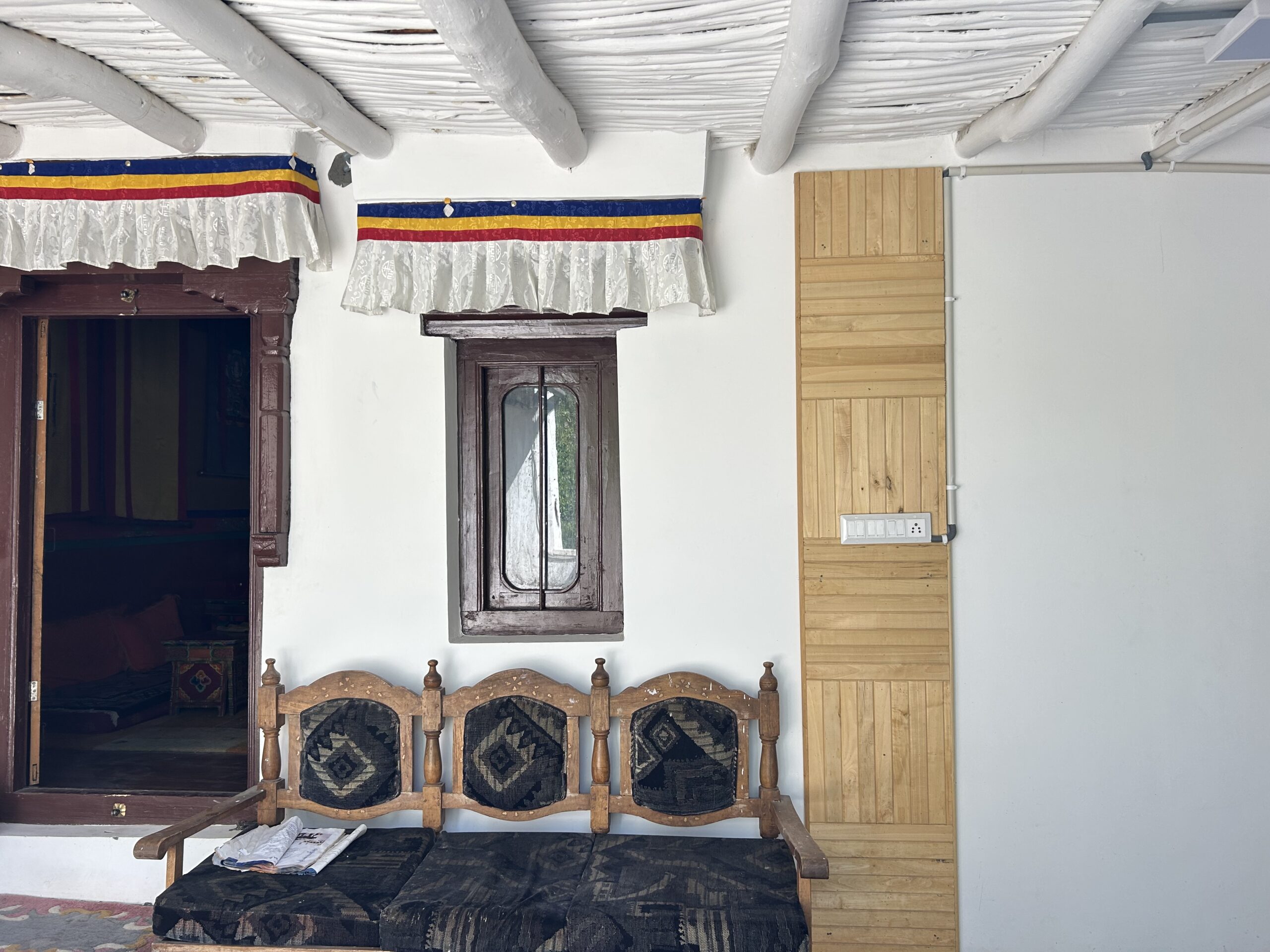
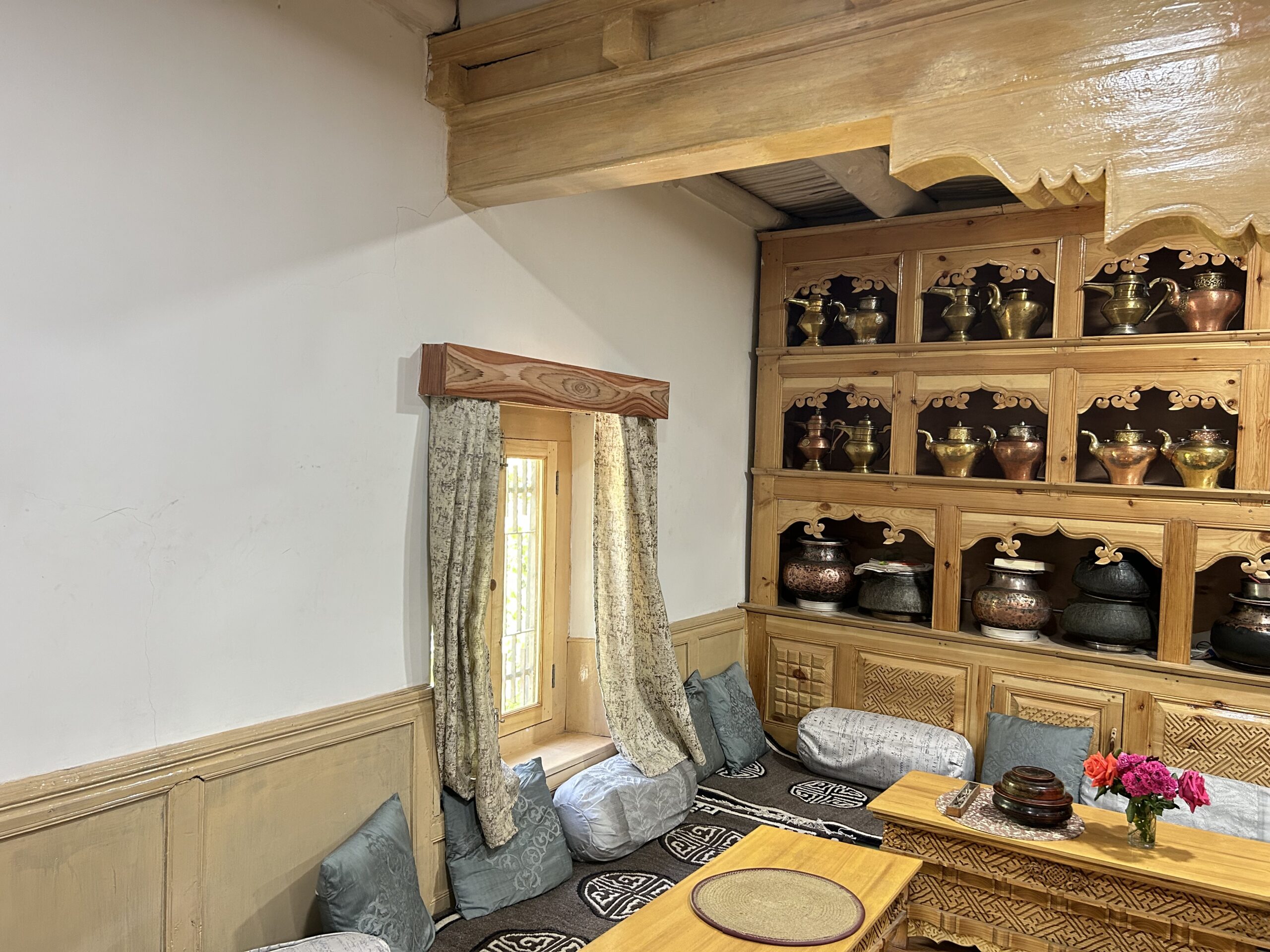
days 8 - 10: Olthangpa’s Homestead
The closing days of your journey are spent at an 80-year-old ancestral home in the Sham Valley with all modern comforts. Belonging to one of Ladakh’s oldest families, the homestead carries a rich legacy of art, culture and heritage, including thangka paintings by Padma Shri awardee Tsering Wangdus. Hosted by the family, including Mr. Paljor and Mrs. Dawa, this is a chance to experience Ladakhi hospitality through shared meals, and long conversations.
food
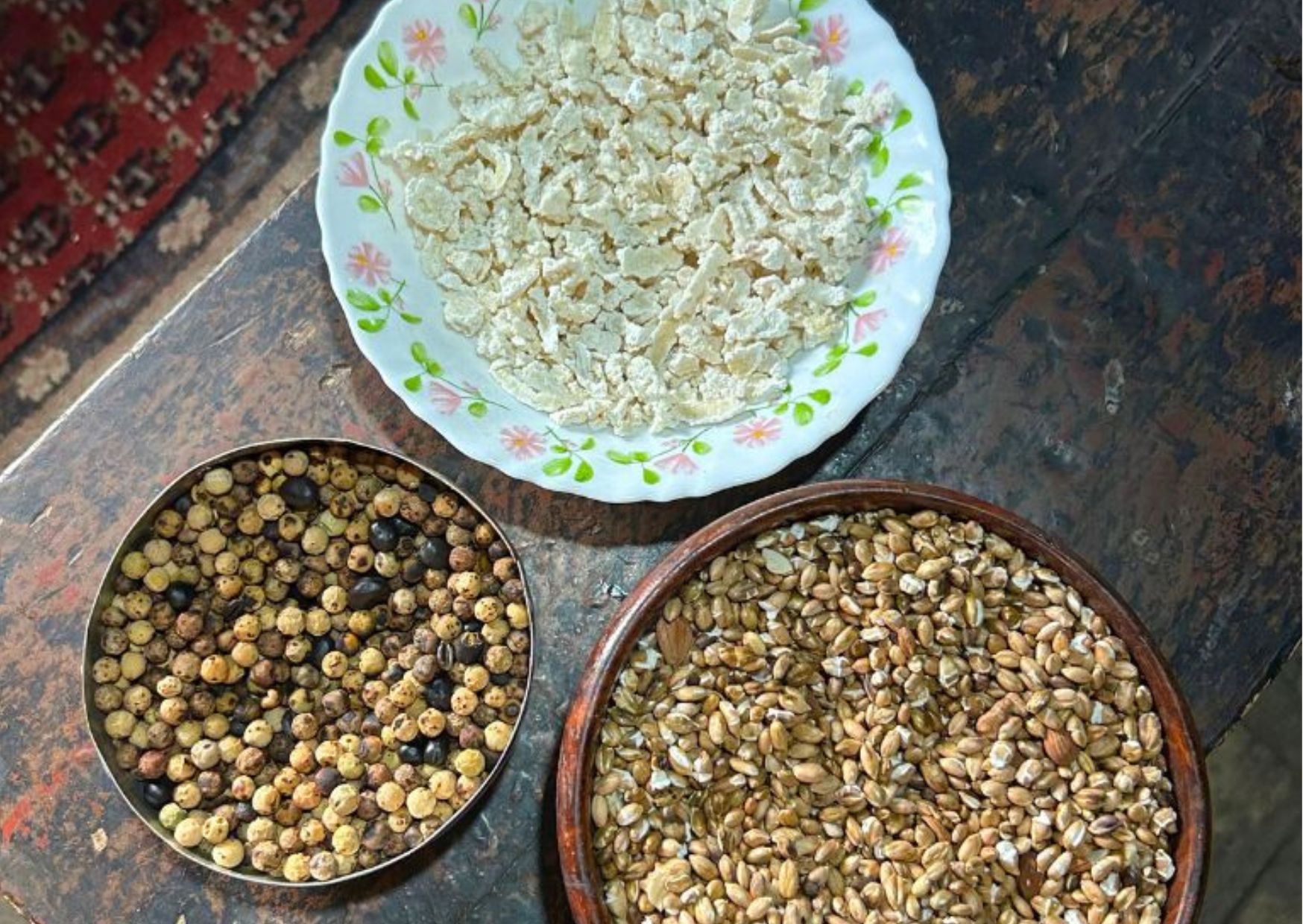
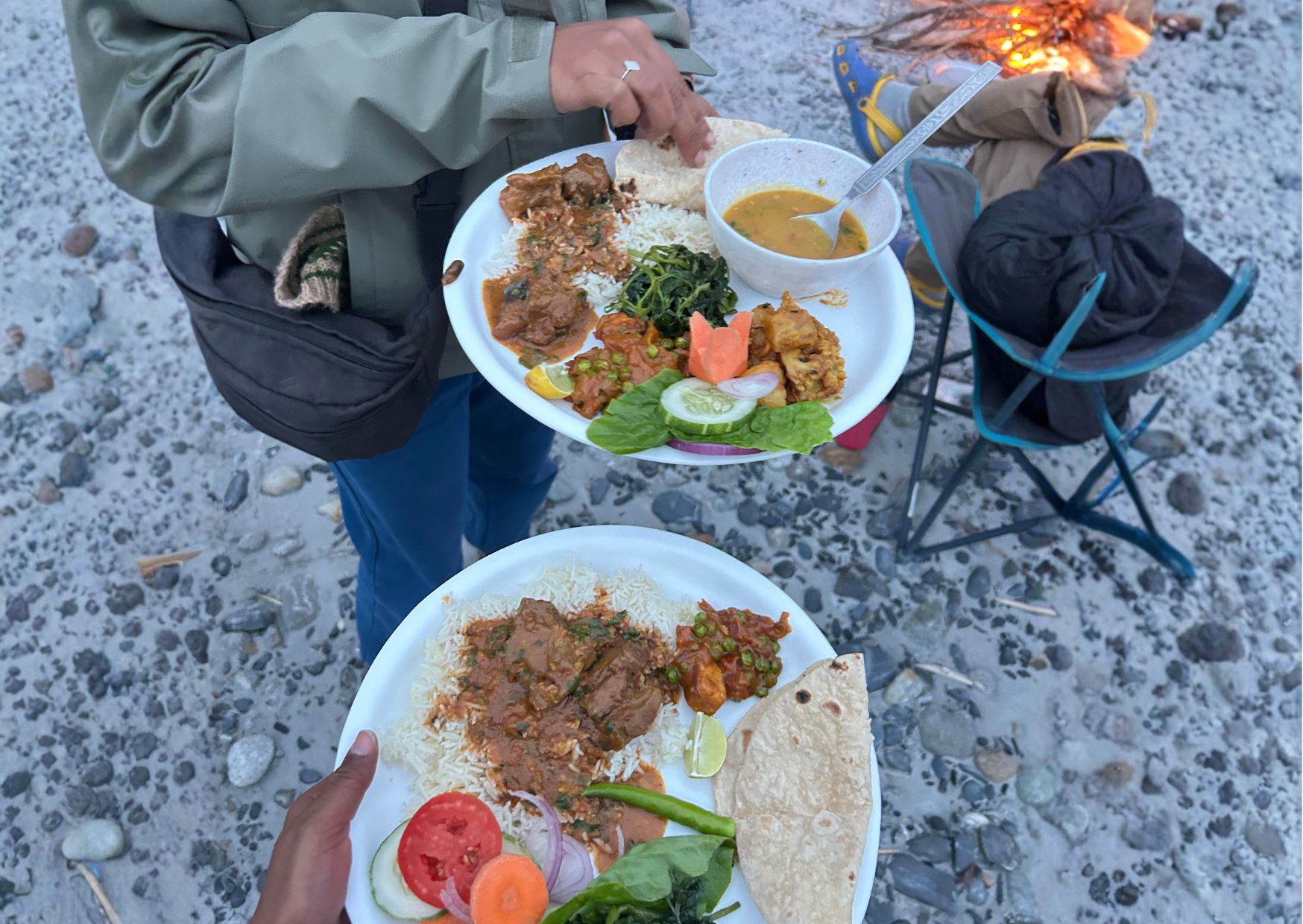
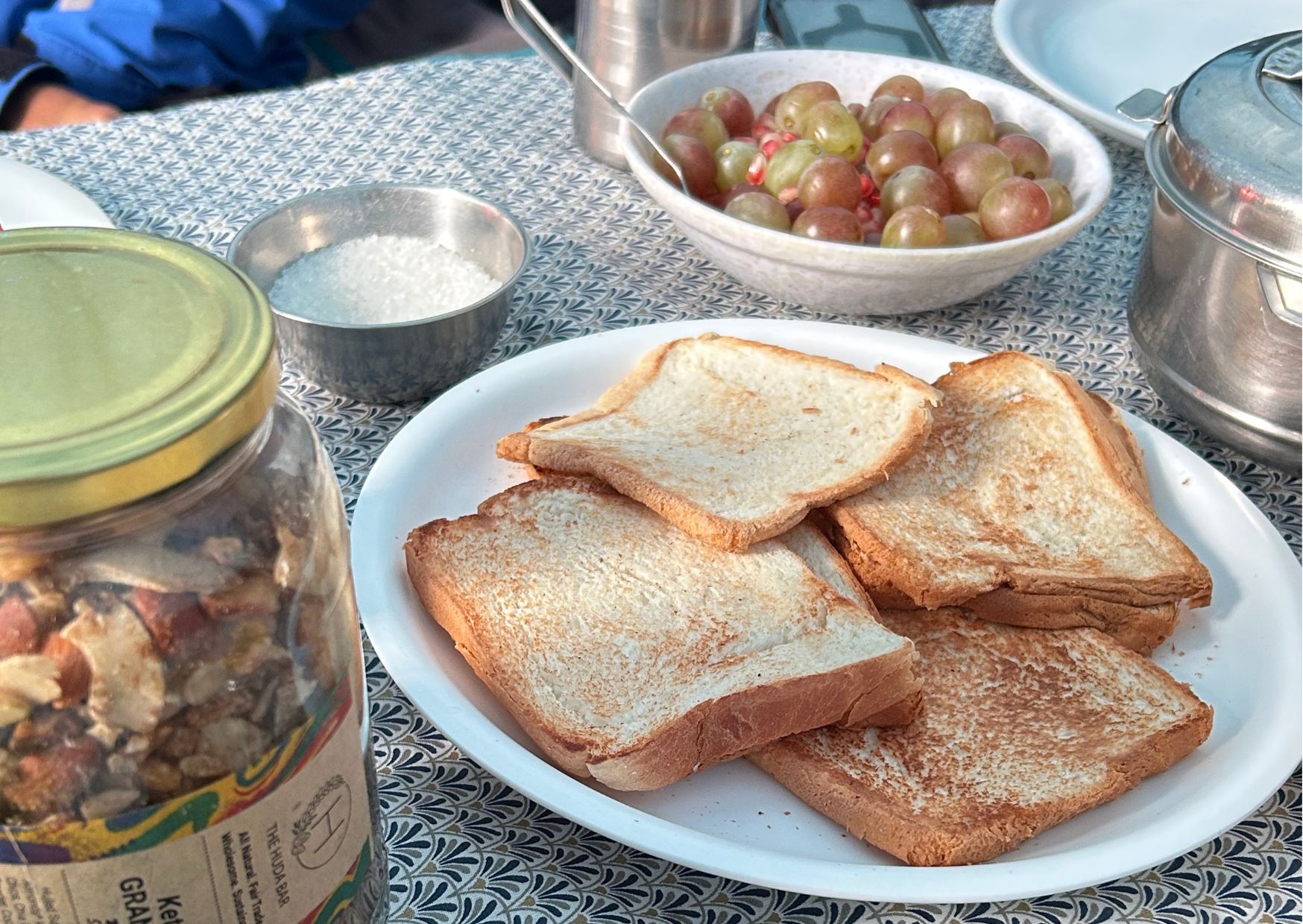
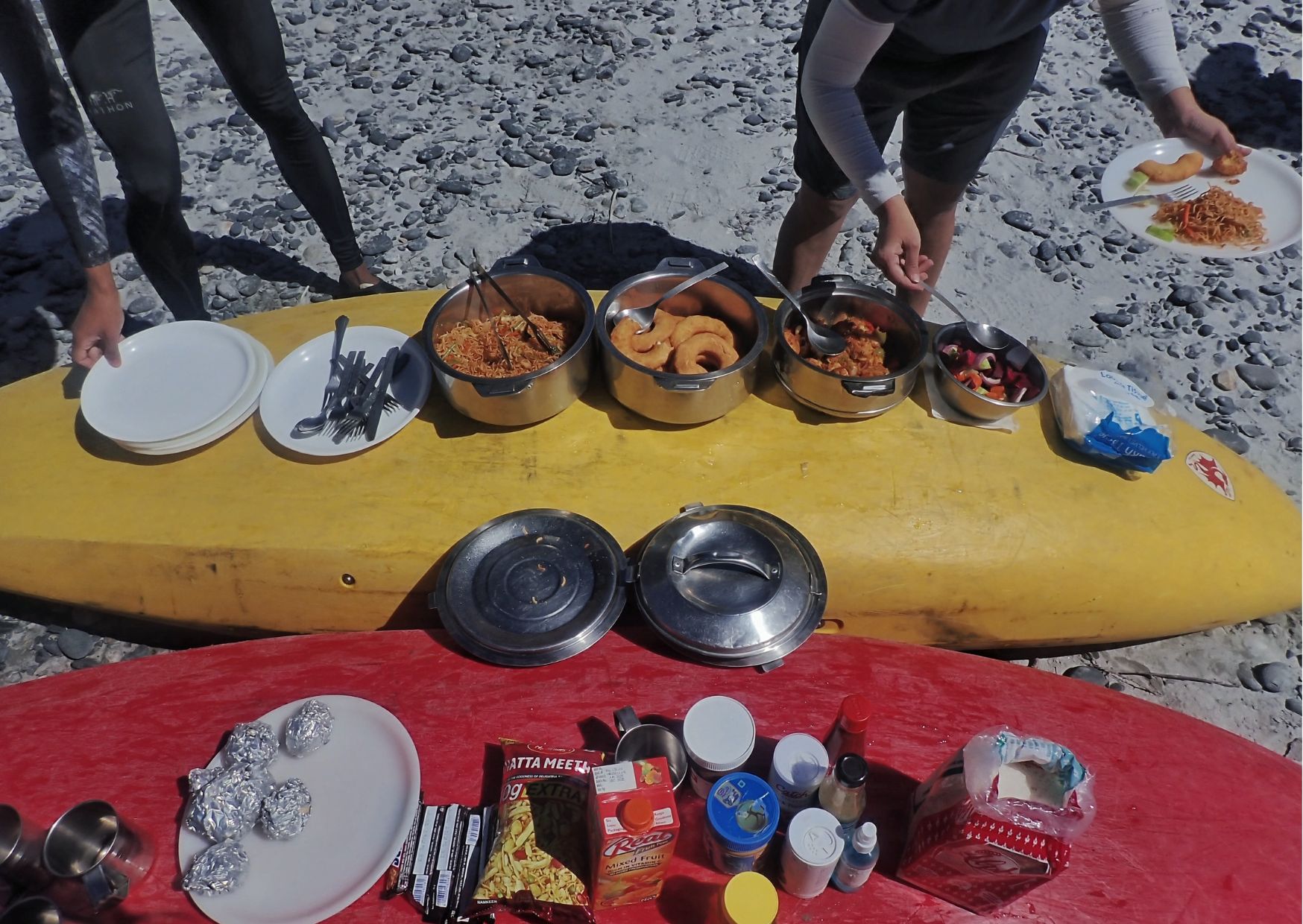
Kargil’s food reflects a blend of local Balti and Islamic culinary influences, with hearty dishes, warming spices and flavours built through traditional cooking techniques served in home-style cooking with ingredients from the guesthouse’s own garden.
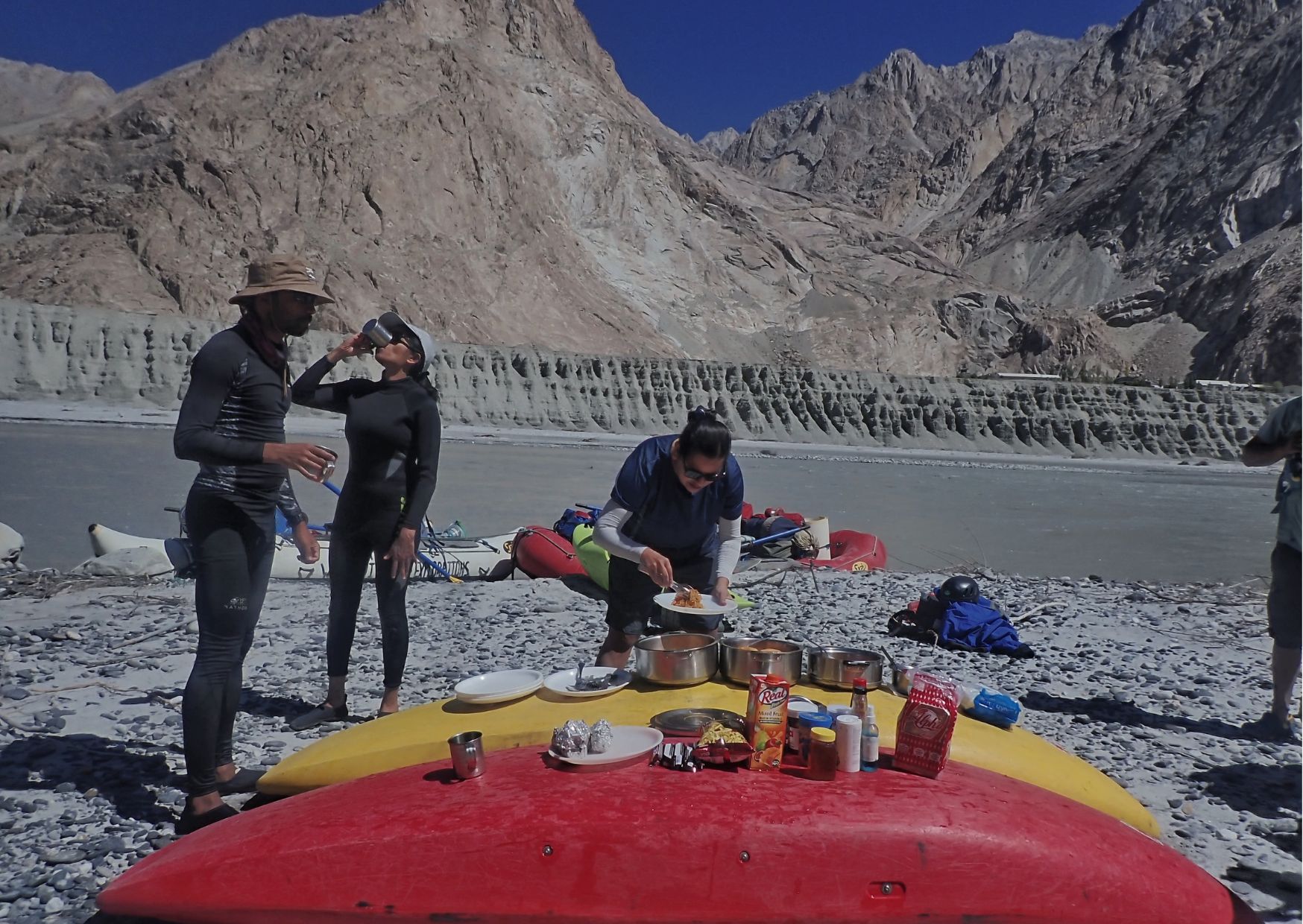
On the river, mealtimes are nourishing and lavish. Mornings feature a wholesome spread of beverages, cereals, breads with an assortment of spreads and more to fuel your day. Lunches are packed and shared during breaks on the riverbank. Evening snacks and dinners are prepared at camp and will include a more generous spread of Indian curries with and without meat, rotis and rice, fresh vegetables, salads, mouth-watering appetizers, asian-inspired soups, noodles, continental delicacies and desserts crafted to satiate your every craving and sustain you through the expedition.
As we enter Ladakh towards the end of the journey, it offers an opportunity to enjoy the produce and food traditions of the region, with soups, skyus, thukpas, dumplings ending with a traditional orchard meal experience that brings traditional culinary recipes to the table.
the river and valley
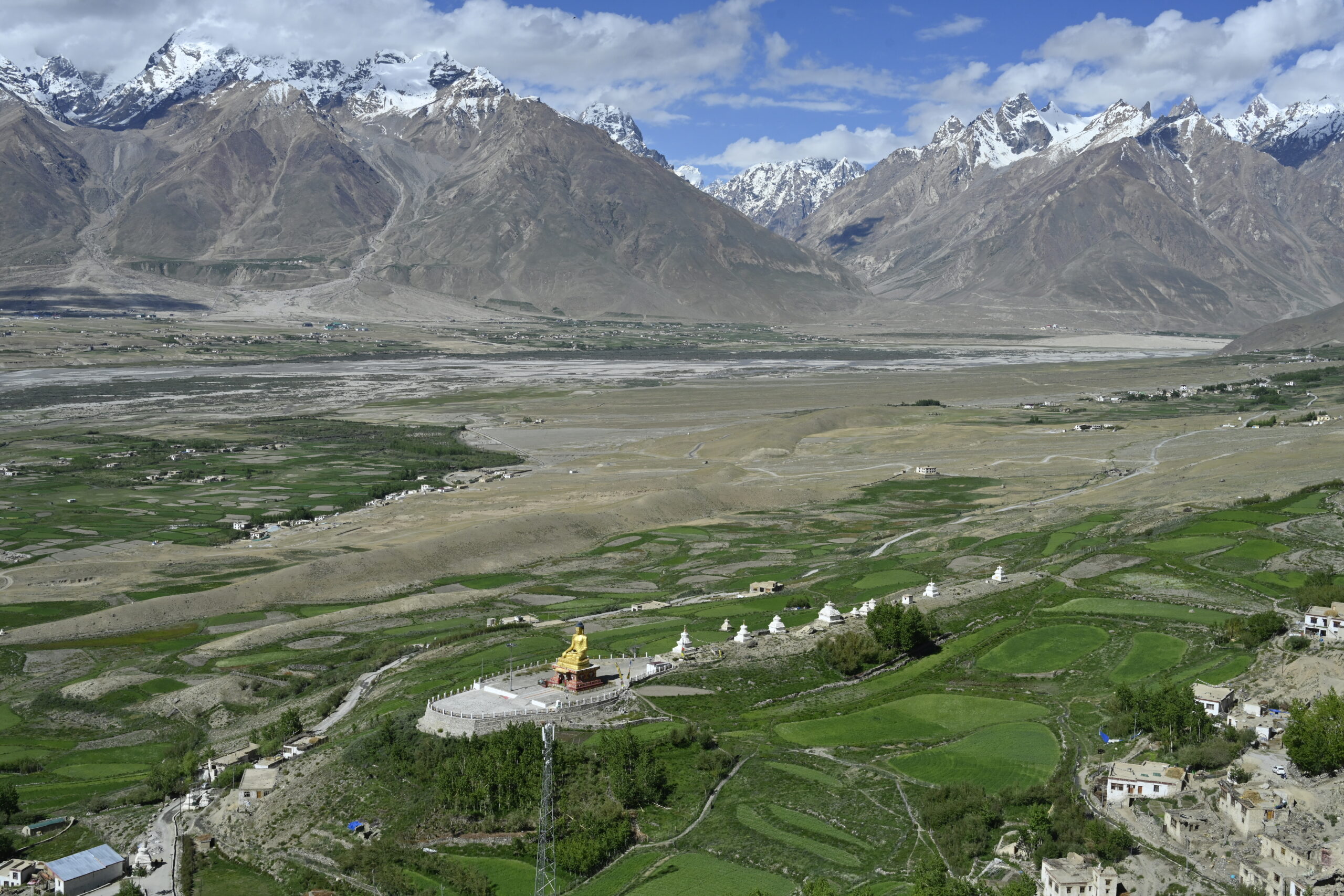
The Stod, also known as the Doda, is one of the principal tributaries of the Zangskar River. It rises from the meltwaters of the Drang-Drung Glacier, one of the largest glaciers in Ladakh, situated beneath the high mountain pass of Pensi La. Flowing through the Stod Valley, the river makes its way towards Padum, where it joins the Lungnak or Tsarap Chu to form the Zangskar. From here, the combined waters flow northwards through a deep mountain gorge before meeting the Indus at Nimmu.
The river moves through a landscape shaped by glaciation and the movement of water over geological time. The surrounding mountains are characterised by steep slopes, exposed rock faces, scree and alluvial deposits carried down from higher elevations. The valley floor is relatively open in places, with settlements and cultivated patches clustered around the river, while other stretches are defined by barren slopes and rugged mountain walls. The Zanskar and Ladakh ranges form part of this dramatic mountain setting, with the greater Himalayan peaks of the Nun-Kun massif rising above the Suru Valley.
The region’s cold, semi-arid climate supports a distinctive high-altitude ecosystem. Vegetation is sparse across much of the landscape, with grasses, shrubs and seasonal flowering plants finding room to grow along riverbanks, streams and patches of moist ground. These pockets of vegetation are particularly important in an otherwise arid terrain, supporting birds and other wildlife adapted to the conditions of the Trans-Himalayas. The wider region is home to species such as Himalayan ibex, blue sheep, red foxes, wolves and the elusive snow leopard, though sightings are never guaranteed.
Water is central to life here. The rivers and their tributaries sustain the settlements and agricultural land scattered through the valleys, carrying glacial meltwater into fields and orchards in an otherwise dry landscape. The Stod and Zangskar are not simply waterways cutting through the mountains; they are part of the natural systems around which life in these valleys has evolved.
Following these rivers by packraft offers a rare way to experience this landscape. Over more than 100 km, we paddle downstream from the glacial headwaters of the Stod, following the Zangskar River to the entrance of the iconic Zangskar Gorge, travelling through a region where the scale of the mountains, the changing character of the river and the traces of life along its banks come together in a remarkable expedition.
packrafting
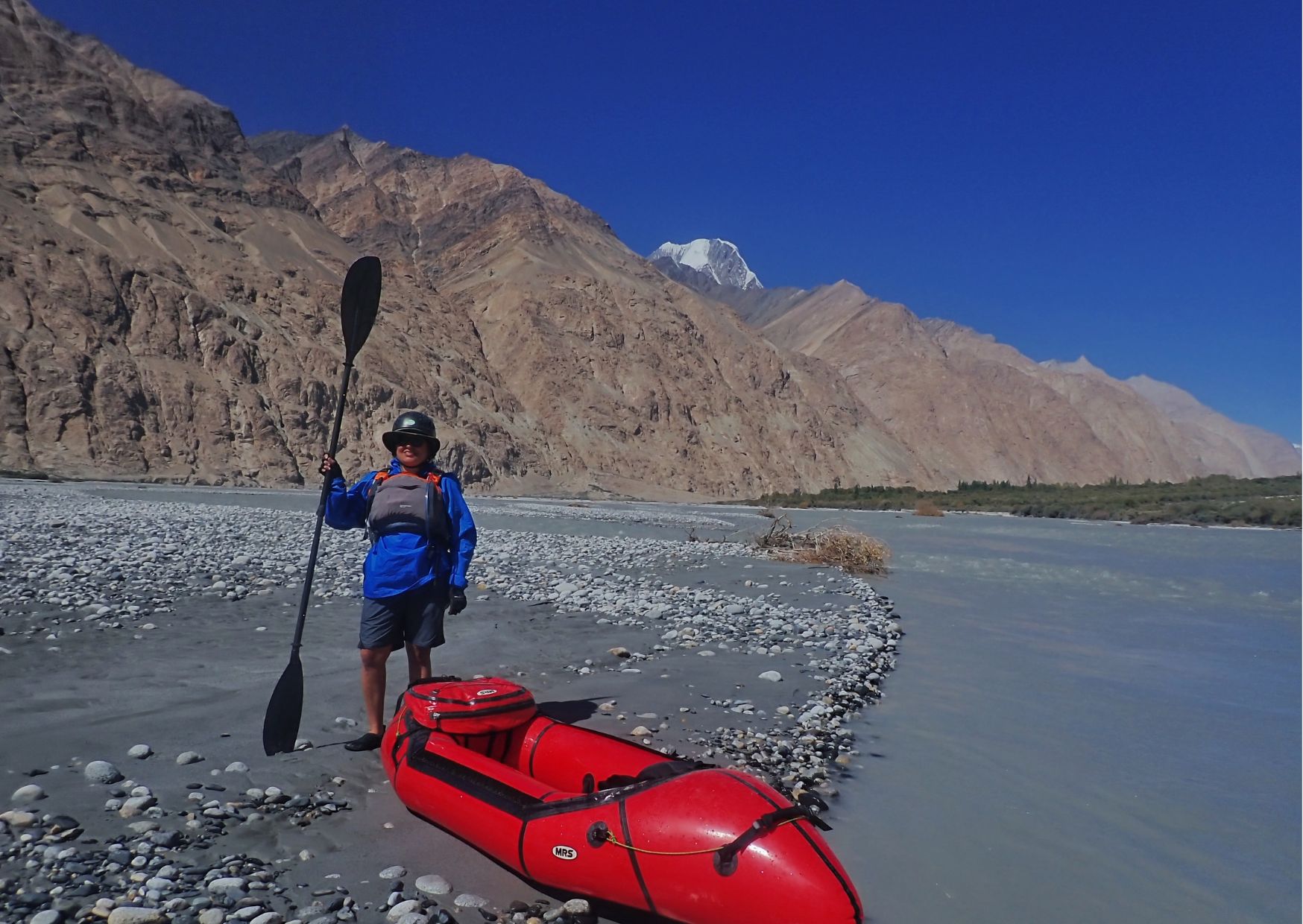
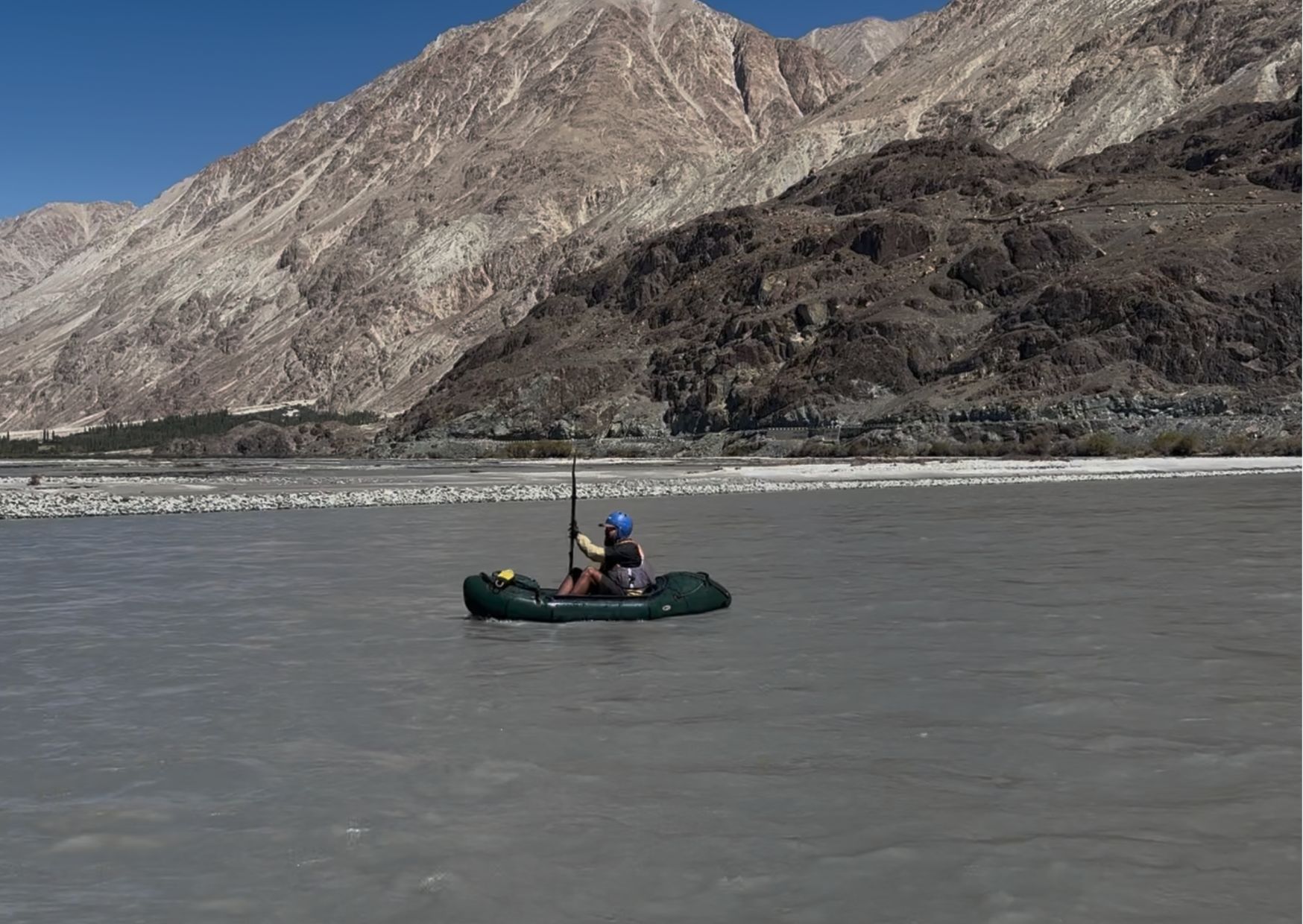
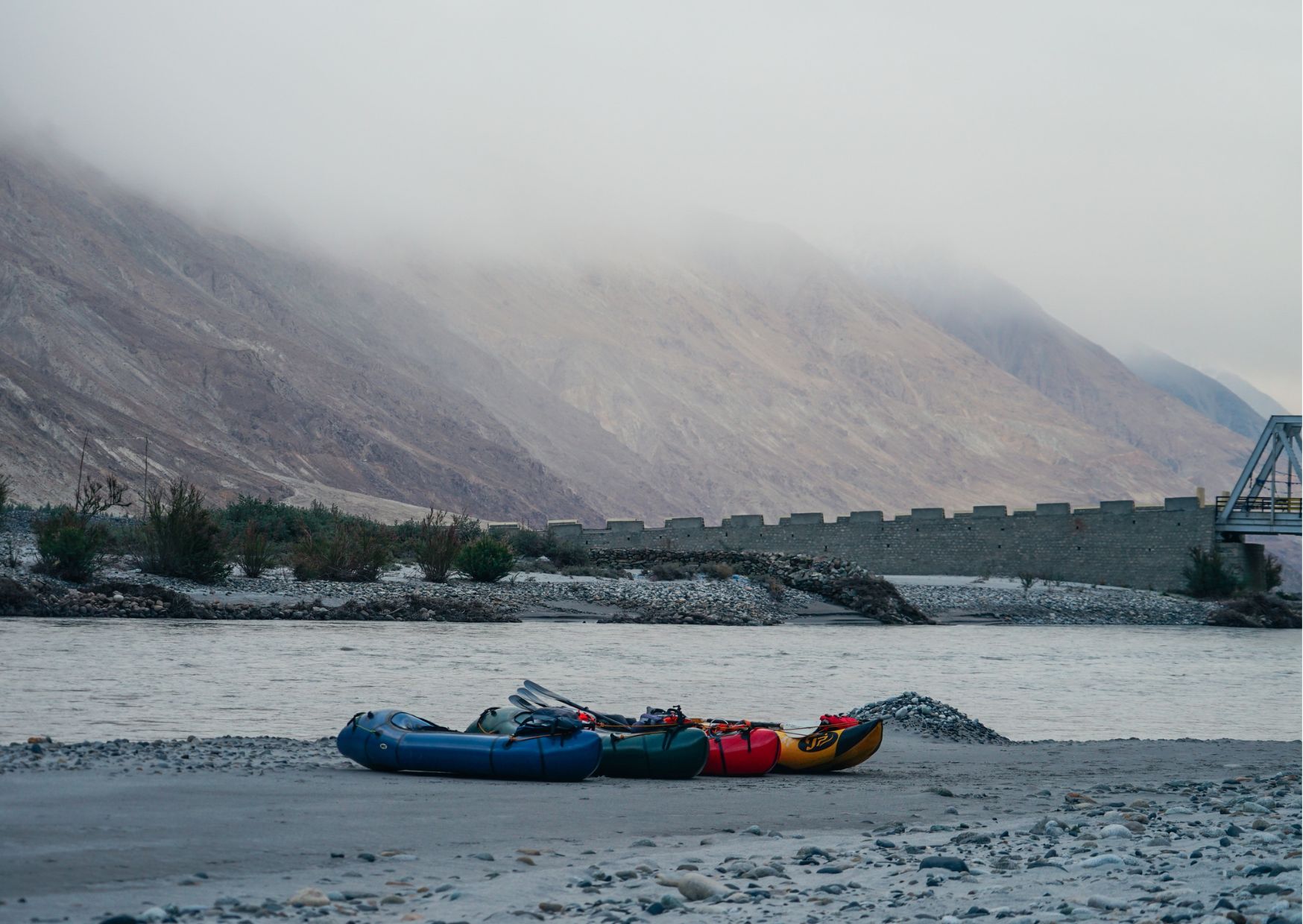
Knowhere Travel Co. has been studying and developing the concept of river exploration through Packrafting since 2020. Under our sister brand, Packrafting India, we’ve pioneered experiential river expeditions in the country, running journeys in the Northeast of India as part of our ‘The Brahmaputra Drift’ series, along the Talo and Teang Rivers in Arunachal Pradesh and around the river island of Majuli in Assam.
Packrafting is a fusion of backpacking and rafting, bringing you an amphibious adventure like no other.
Originating as a lightweight, inflatable raft designed for backcountry travel, packrafts unlock access to remote rivers, serene lakes, and untouched wilderness.
Since they are highly manoeuvrable, packrafts can give you the freedom to navigate water bodies that are otherwise difficult to access.
expedition support
guides
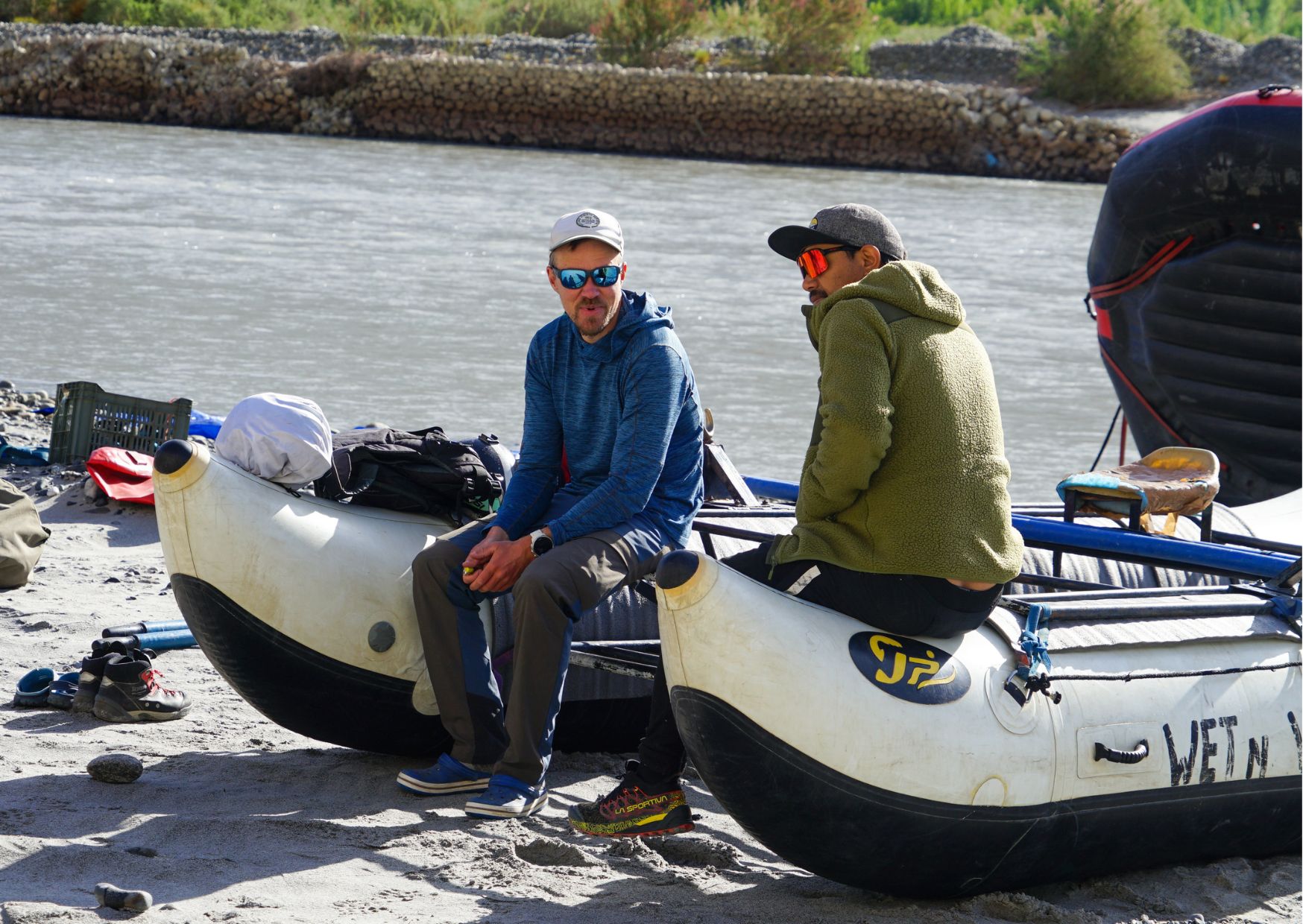
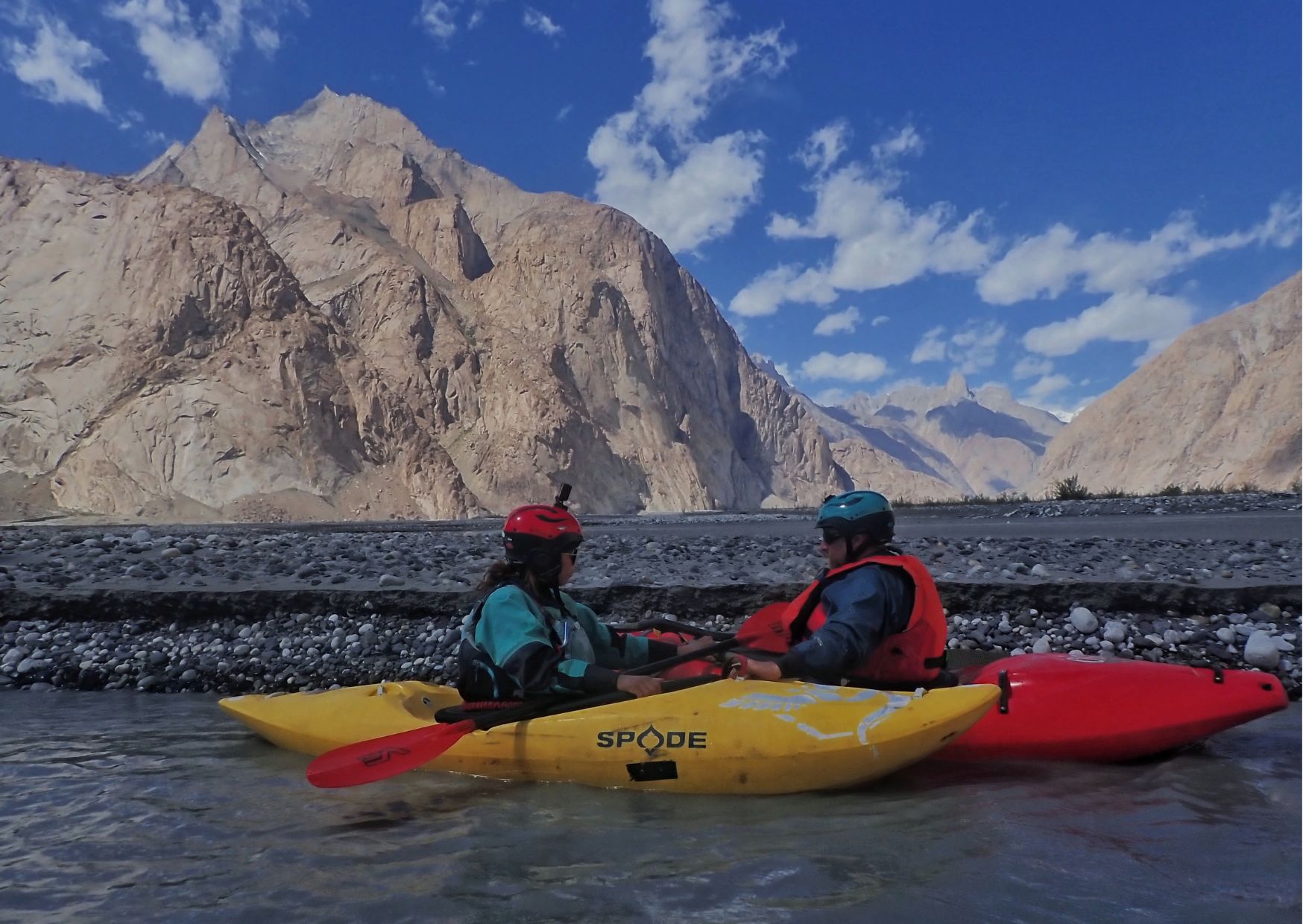
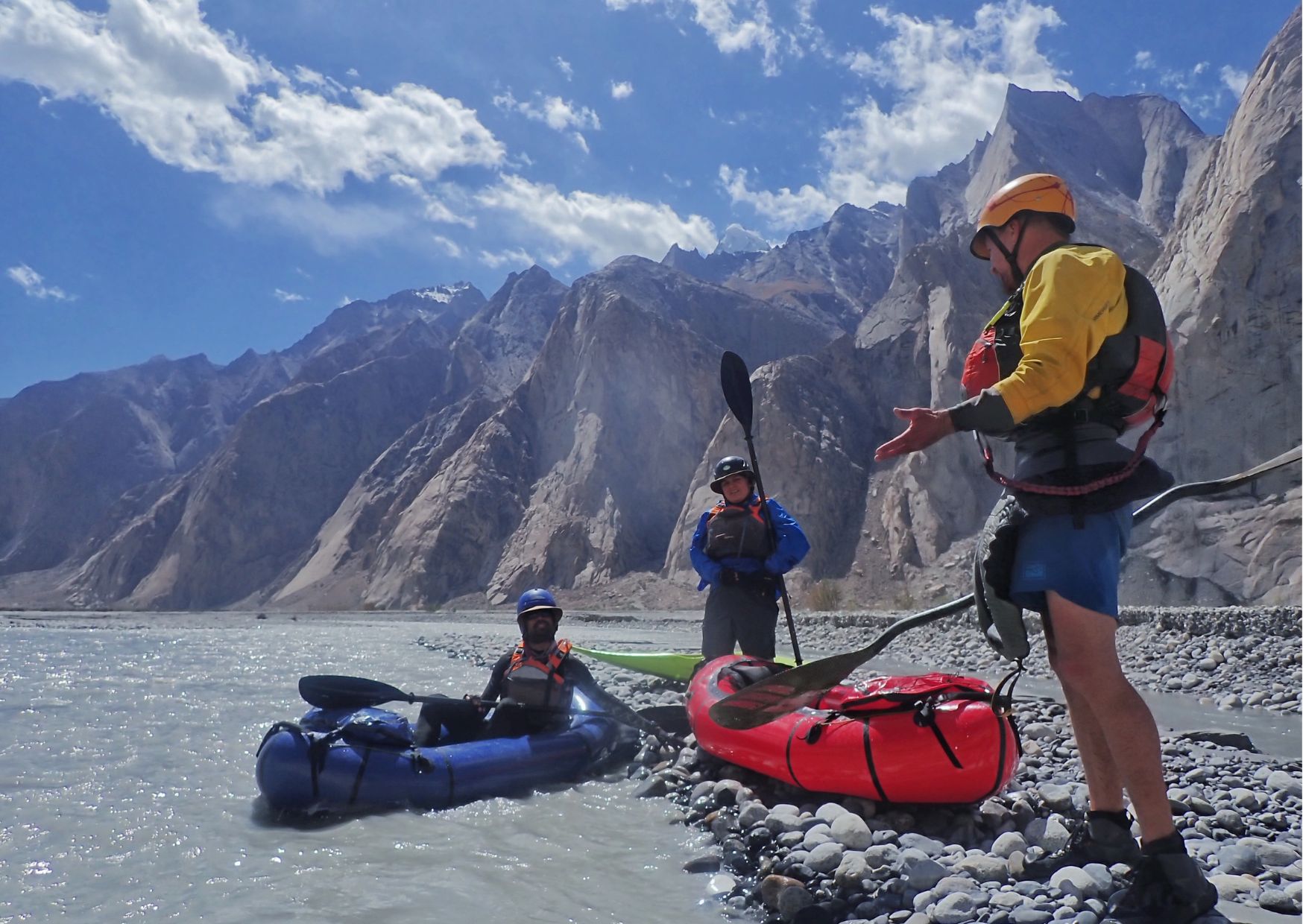
The Trans-Himalayan Drift is a fully supported and guided expedition, designed with safety and comfort in mind. Our guide-to-guest ratio is 1:2 on the water, with three to four safety kayakers from the expedition team and one Knowhere Travel tour leader accompanying up to eight guests. Two support rafts carry trained team members to assist throughout the journey. All guides are swift water rescue technicians and certified in Wilderness First Aid/responders. The expedition support team brings together local expertise and international experience, with members from Ladakh, Uttarakhand, Nepal, and Russia.
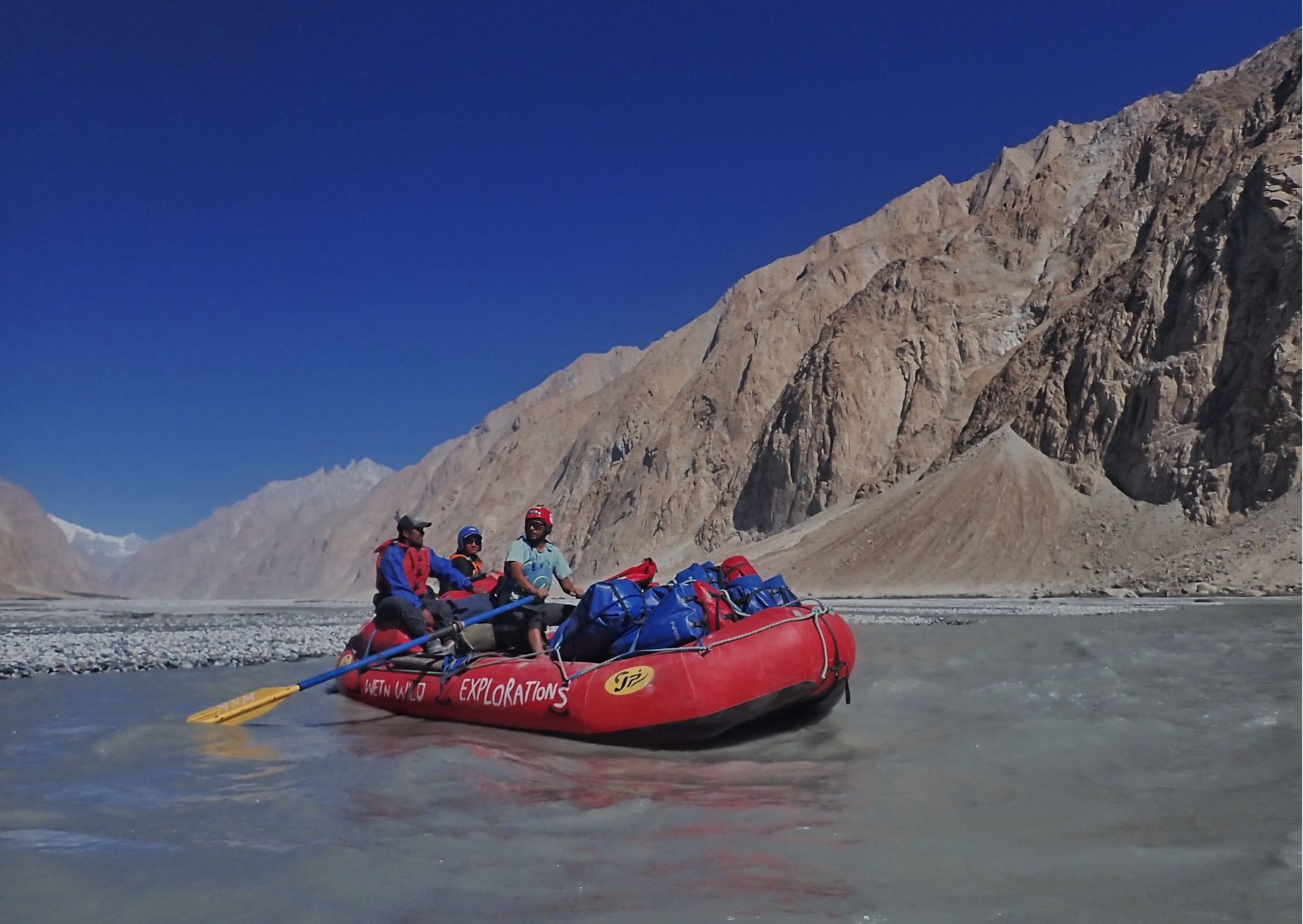
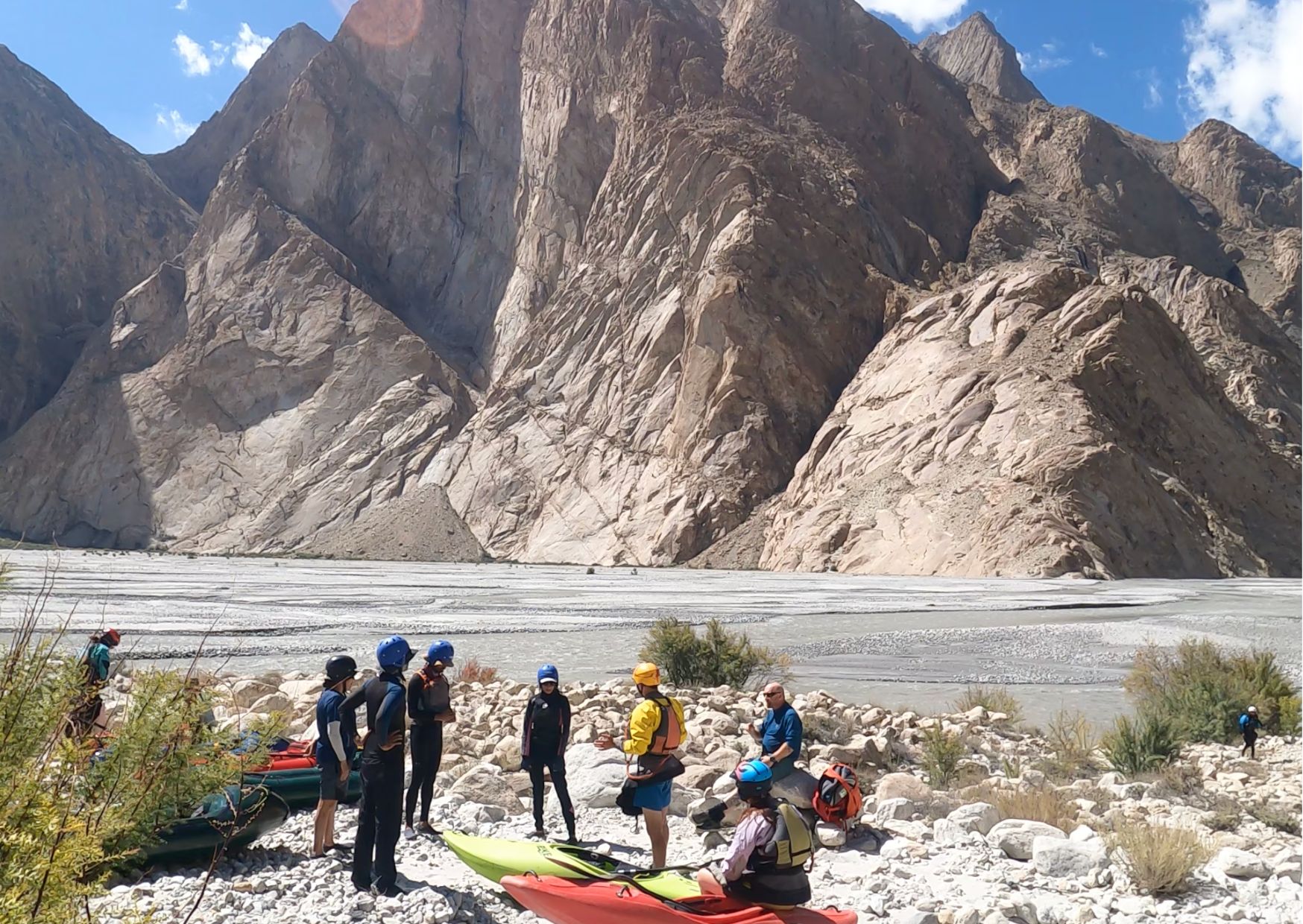
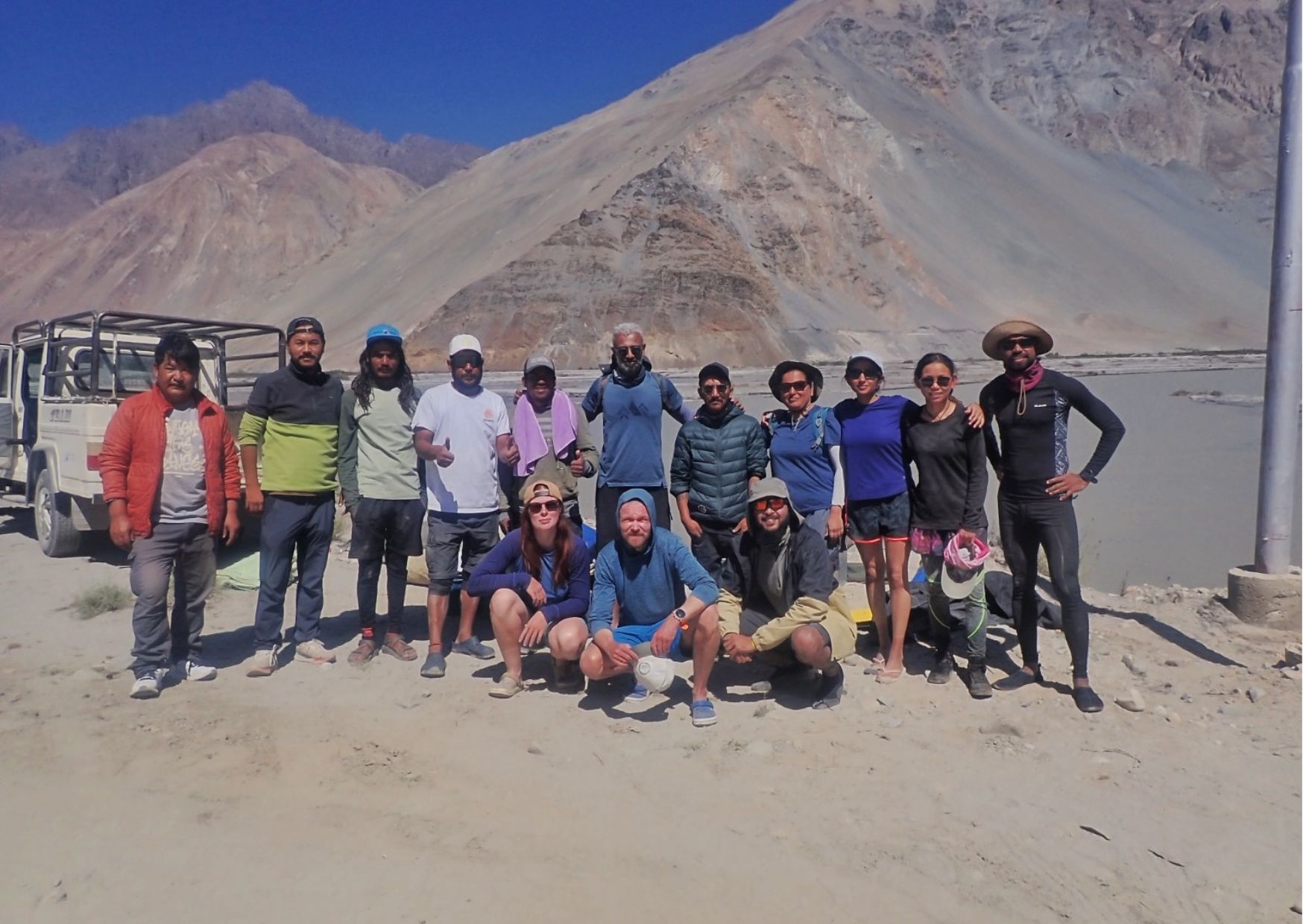
The Trans-Himalayan Drift is a fully supported and guided expedition, designed with safety and experience in mind. Our guide-to-guest ratio is 1:2 on the water, with three to four safety kayakers from the expedition team and one Knowhere tour leader accompanying eight guests. Two support rafts carry trained team members to assist throughout the journey. All guides are swift water rescue technicians and certified in Wilderness First Aid. The expedition support team brings together local expertise and international experience, with members from Ladakh, Uttarakhand, Nepal, and Russia.
We provide water shoes and grip gloves for comfort both in and out of the water, and a water-proof bow bag to access your personal gear.
As for support, we will have two big rafts alongside us. One ferrying our kitchen team, camping equipment, and cooking rations. A second raft with backup gear will paddle alongside our guests.
Our teams are equipped with comprehensive field-repair and medical kits, including emergency oxygen cylinders and a pulse oximeter to manage high-altitude conditions. Road support vehicles are on standby for emergencies, ensuring assistance is always close at hand.
how we work
It is important to us that we collaborate with people rooted in the region. For this expedition, we’ve partnered with Tsering Chotak, one of India’s top river guides. With decades of experience and a strong focus on river safety and environmental ethics, his team brings deep local knowledge and thoughtful practices to every journey. From water conservation to waste management, they work closely with local communities and environmental groups to ensure that each trip is run with care and respect for the fragile ecology of Ladakh.
Our packrafts are Bluesign certified, which guarantees that environment-friendly material is used at the time of production. Our river journey is non-motorised. We are certified LNT practitioners and follow the Leave No Trace principles as part of all of our experiences.
For over thirteen years, our journeys in Ladakh have been shaped by deep local connections and long-standing relationships across the region. Konchok Paldan, our head of operations in Ladakh, knows the land as his own. We work closely with small, family-run stays, local guides, and community networks that help us navigate this landscape with respect and care. Every Knowhere Travel experience here is rooted in trust, shared knowledge, and the belief that travel is most meaningful when it sustains the people and places that make it possible.
who is it for
This expedition is suited to those looking for a slightly more adventurous river journey, with continuous, approachable Class II rapids along the route. While the rapids are manageable, the journey calls for a spirit of adventure and an enthusiasm for being outdoors.
Over five days, you’ll paddle 90kms of the river, hike along stark, beautiful trails, and experience the unique energy of Ladakh’s high-altitude terrain. Days on the river can be long, with around 4–5 hours of paddling, and the weather can shift between sunny, cold and windy conditions. Throughout, you’re in the hands of experienced professionals who put your safety and comfort first.
If you’re considering this journey, here are some things to keep in mind:
-
You don’t need to be an athlete. An above average level of fitness and comfort with outdoor activity is enough. We pace the journey mindfully, with plenty of rest, guidance, and support.
- You don’t need to be a swimmer, but ease in water is useful. We provide wetsuits, splash jackets, and full safety gear, and create a supportive environment for anyone finding their confidence.
-
You’ll be camping in the wilderness, going without creature comforts, and adapting when nature takes the lead. Conditions can change: river levels may shift, weather may demand we stop early or take a new course. If you’re willing to embrace the unpredictability, this journey will reward you.
- Our packrafts have a weight and height limit of 92 kgs and 6’5 inches, respectively.
-
This isn’t for those wanting to work remotely or focus mainly on photos and videos. It’s for those ready to disconnect, slow down, and truly experience the journey.
- The expedition is not ideal for those with serious respiratory, heart, or lung conditions.
-
Open to adults 21 years and above. (We may consider 18+ participants with relevant experience.)
dates and pricing
Dates (2027)
17 June to 26 June
02 Sept to 11 Sept
Cost:
Indian Nationals: Rs. 150,000 per person
Patron Pricing: Rs. 145,000 (up to 4 patrons per trip, first come, first served)
(Patrons: Guests who have travelled with us on a Packrafting expedition earlier or on at least two journeys.)
Flexible payment options are available.
Inclusions
Accommodation for 9 nights and 10 days, all meals (veg & non-veg) from lunch on Day 1 to breakfast on Day 10, all transportation from Day 1 to Day 10 including airport transfers on Day 10, all paddling, camping and safety equipment, expedition leader and professional safety guides, emergency support raft, vehicle and oxygen, geology, night sky and heritage interpretation, excursions during the expedition, traditional dining experience in Indus valley, inner-line permits, all applicable taxes and service charges.
Exclusions
Gratuities, travel insurance, air/land arrival to Srinagar and departure from Leh, prior night stay in Srinagar, optional tour extensions (available on request), and additional costs arising due to weather, natural events, pandemics, or political disruptions.
Our group sizes are limited to just 8 guests per trip, and departures are confirmed once at least 6 guests have signed up.
Feel free to reach out to us at +91 96998 34610 (Divya) or +91 96861 57440 (Suman) for more details!
See you on the water!