
- home
- journeys
lost ∞ found: ladakh (14 days)
introduction
about
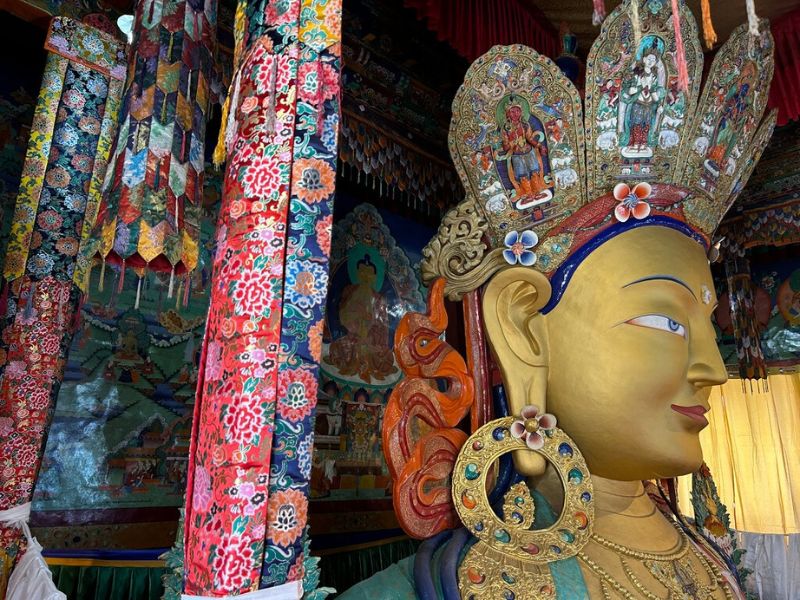
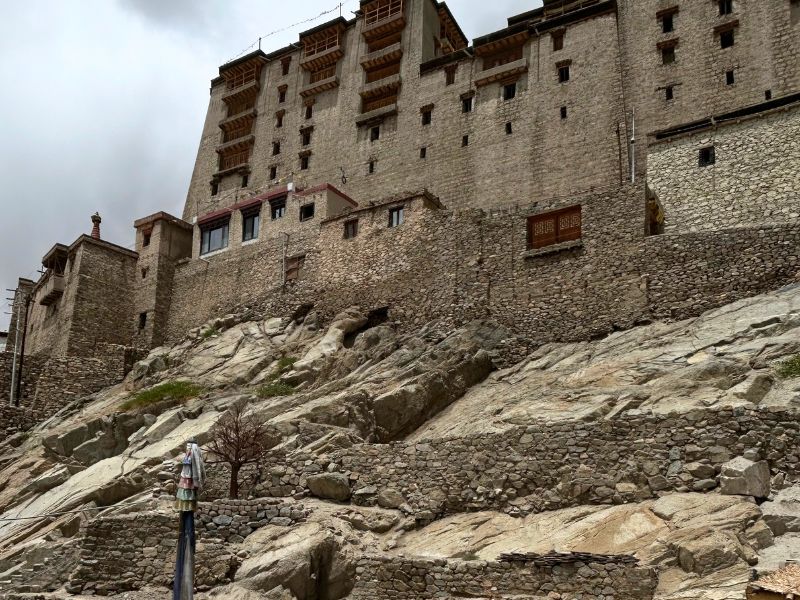
Lost & Found is a series of journeys that take you through a curated circuit of ancestral properties and family-run home stays, set along historical routes and landscapes. The homes serve as your abode to explore the surrounding region and more importantly, as windows into the context of that landscape, anchoring your exploration to its people, stories, histories, and everyday life. Lost & Found is grounded in the belief that the most authentic experience of a place is felt through interactions with people, places and the land and observing how culture and tradition is preserved, practised, and passed down generations.
Despite each location’s unique topography, these journeys are connected to each other through restored heritage houses and lived-in family homes; places where tradition has either been brought back to life or reimagined in the present. They offer a form of authenticity that is real, dynamic, and certainly not scripted or performative.
Built on 13+ years of work and relationships across Ladakh, this journey is shaped by mutual trust and respect, and a deep understanding of the cultural and ecological rhythms of this region. It’s designed for the curious, the open-hearted, and those seeking a slower, more rooted experience of the Himalayas.The focus is on real interactions with the people of the land, hearing stories, sharing ancestral recipes, and experiencing the rituals of everyday life. It is as much about learning from the past as it is about witnessing how traditions live on today.
Each region and the stay within it is carefully chosen, either for the story held within it for years or for a new one being told today by its people. Together, they form a deeper, more intimate way to travel, for those who seek not just to pass through a landscape, but to live inside its unfolding story.
The first experience of the Lost & Found series is a 14 night customisable journey along the heritage of Ladakh.
itinerary
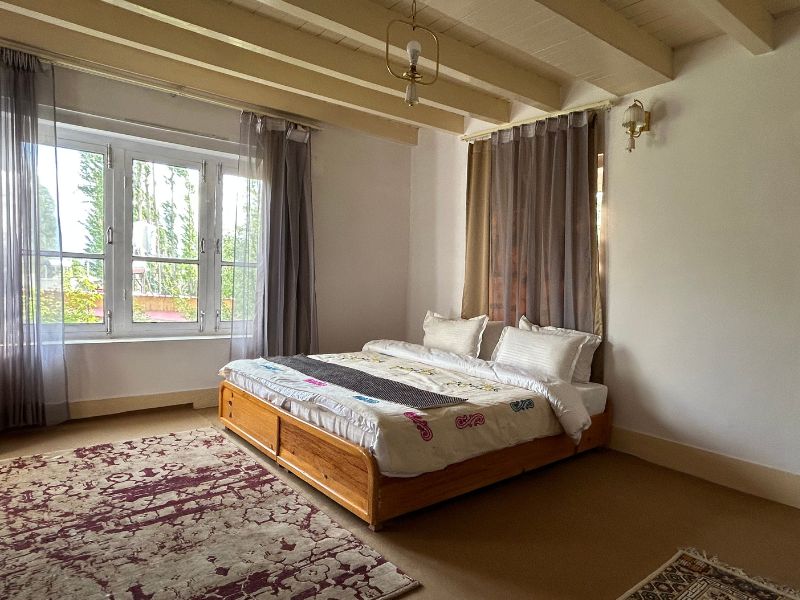
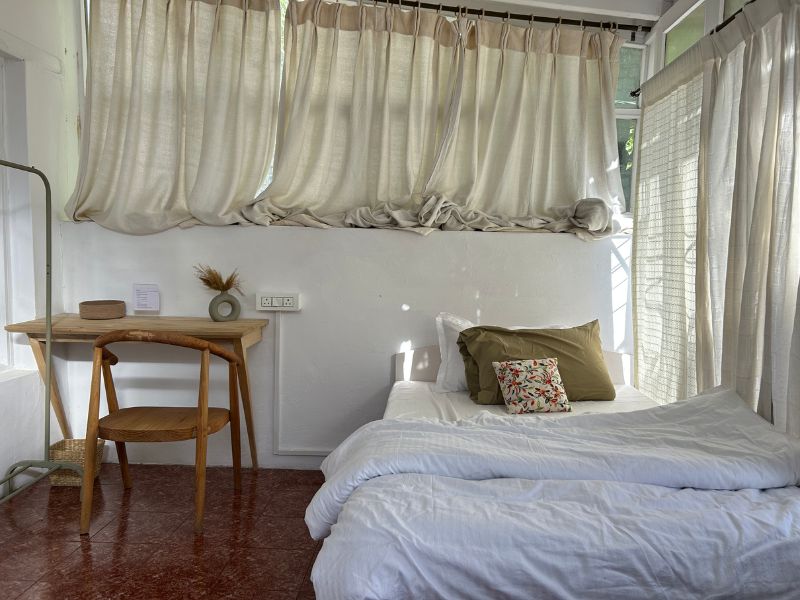
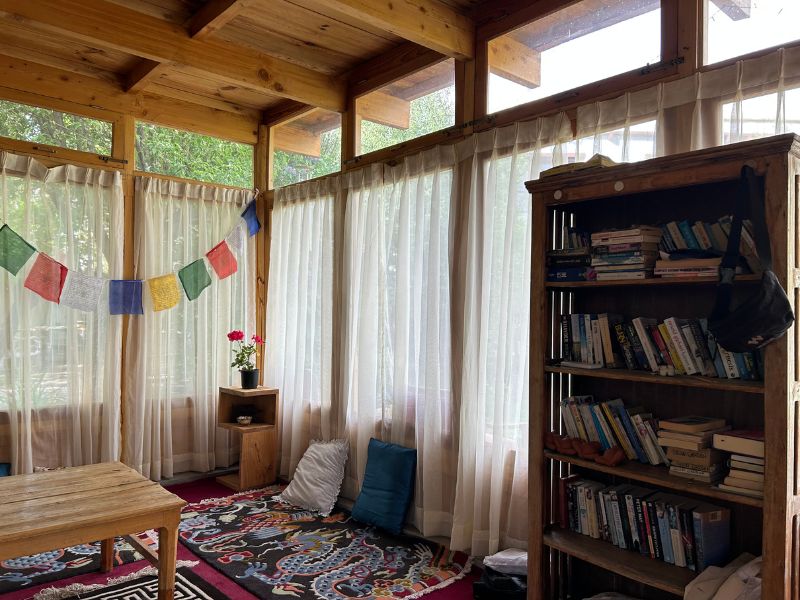
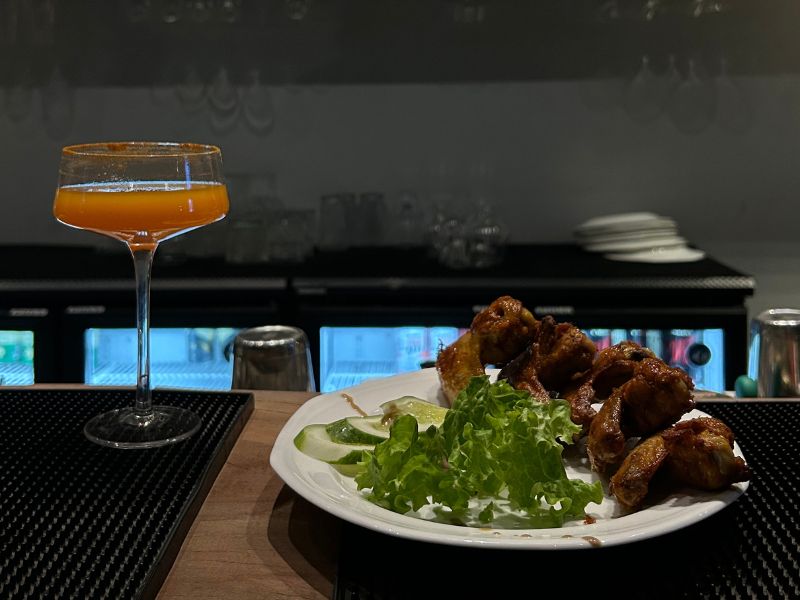
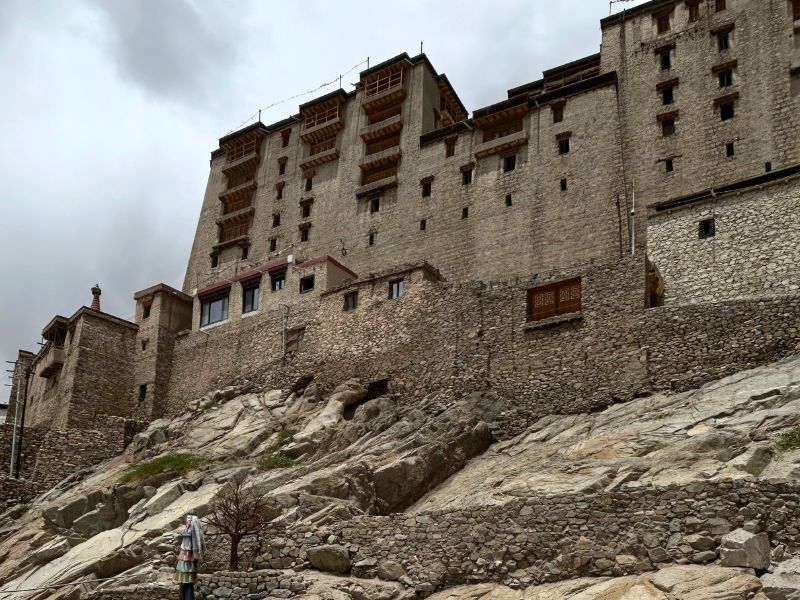
days 1 & 2 gyatso’s yard, leh
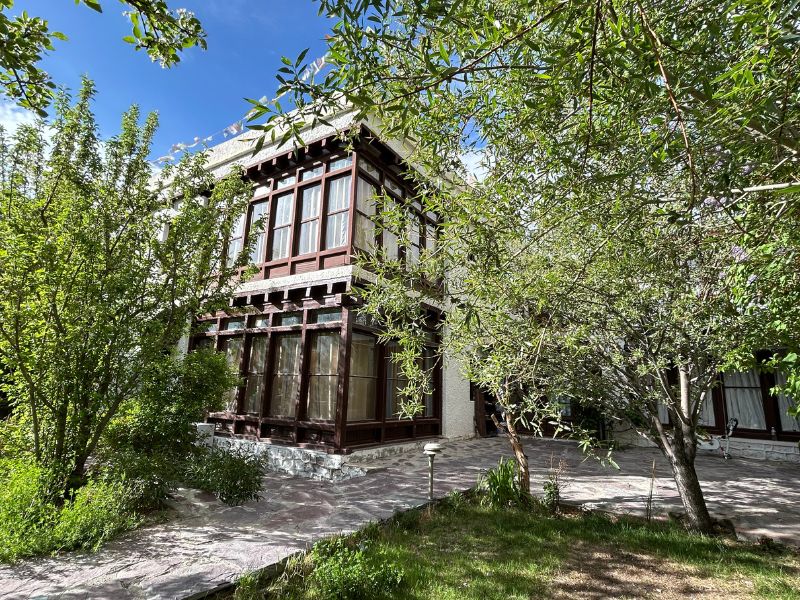
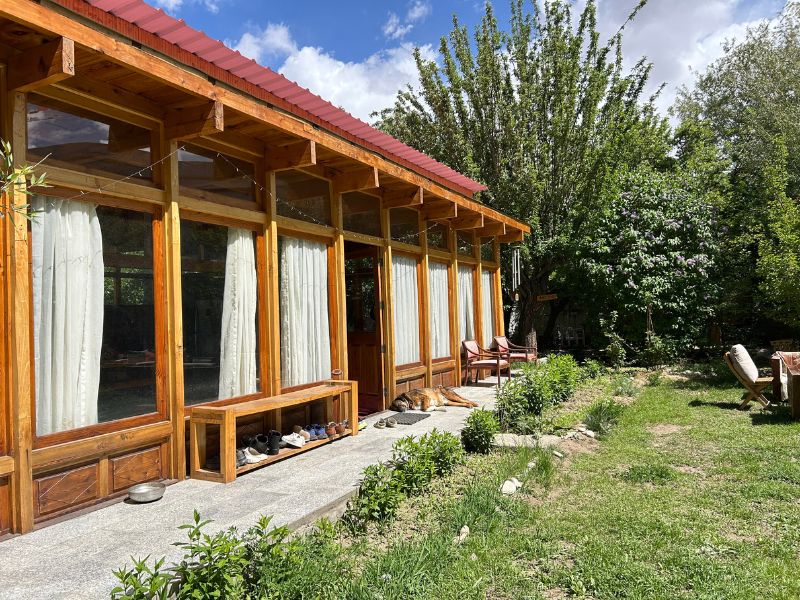
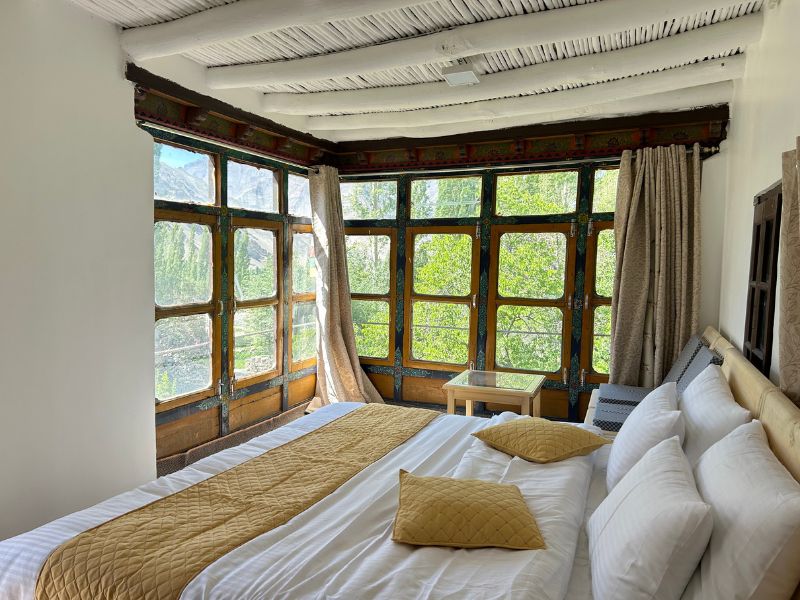
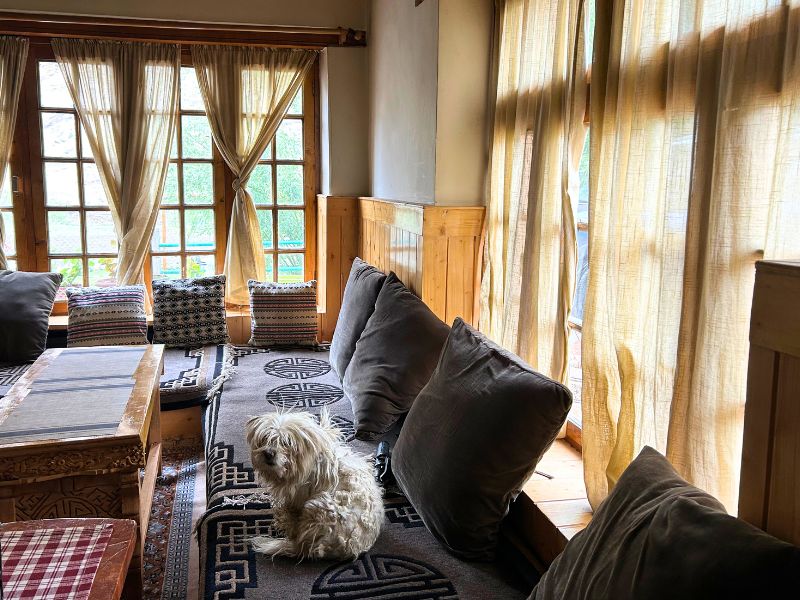
Your journey of 13 nights begins at a 40-year-old Ladakhi house with a modern soul. Gyatso’s Yard is a contemporary interpretation of traditional Ladakhi living, designed with clean lines and community at its core. It’s run by Gyatso, an adventure tourism professional, and his dog, Dzee. But beyond its tasteful minimalism and light-filled rooms, Gyatso’s Yard is very much a reflection of what modern-day Leh feels like: lively, rooted, and creative.
Mornings begin in the garden, over breakfast and coffee, with Dzee keeping you company. Conversations with Gyatso drift between contemporary Ladakh, the rise of tourism, and what it truly means to redefine travel.
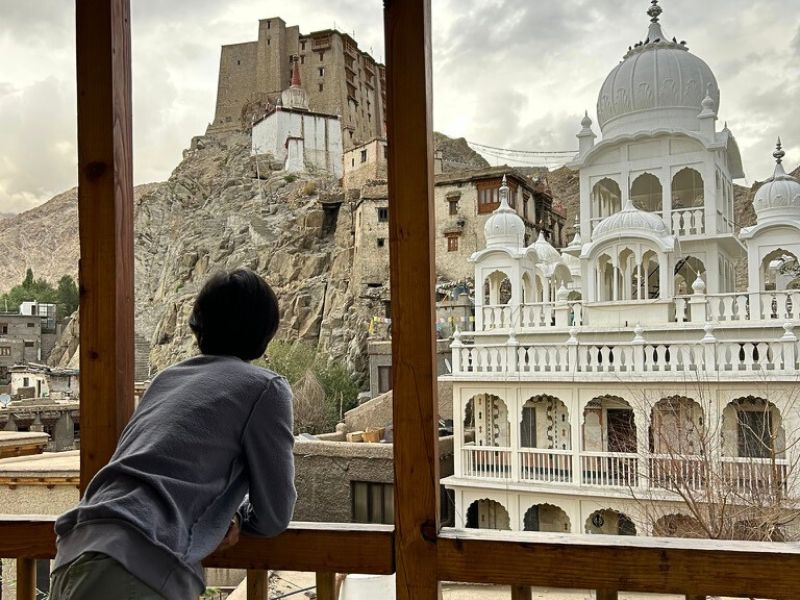
A heritage walk through Leh’s Old Town, weaving past restored buildings that tell stories of time and resilience, is something one can explore outside the home. Pause at a café run by a conservationist who is the mind behind many restoration projects. Explore Ladakhi restaurants, contemporary cafés, museums, conservation organisations, libraries, bookstores, and more: each offering a glimpse into the evolving cultural fabric of Leh.
End the evening with an optional visit to Gyatso’s bar, where nightlife unfolds through a local lens and perhaps a taste of the legendary Gyatso Special.
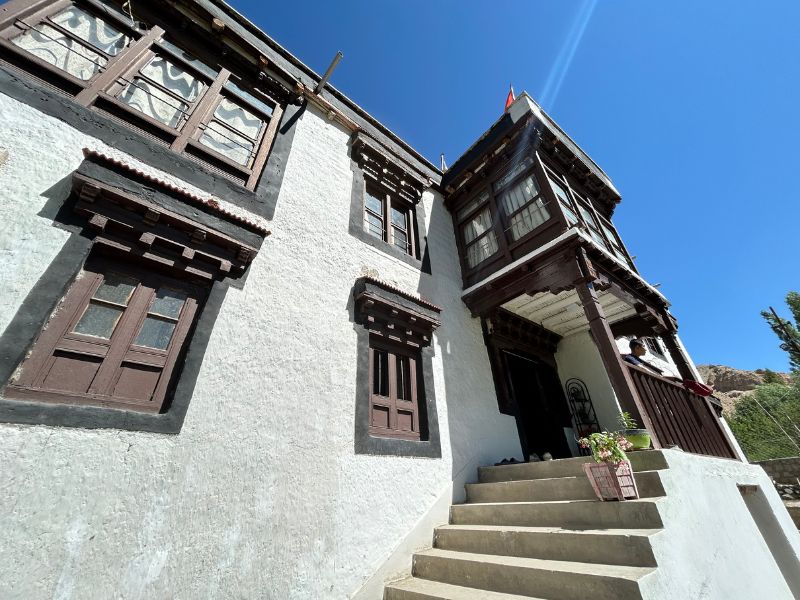
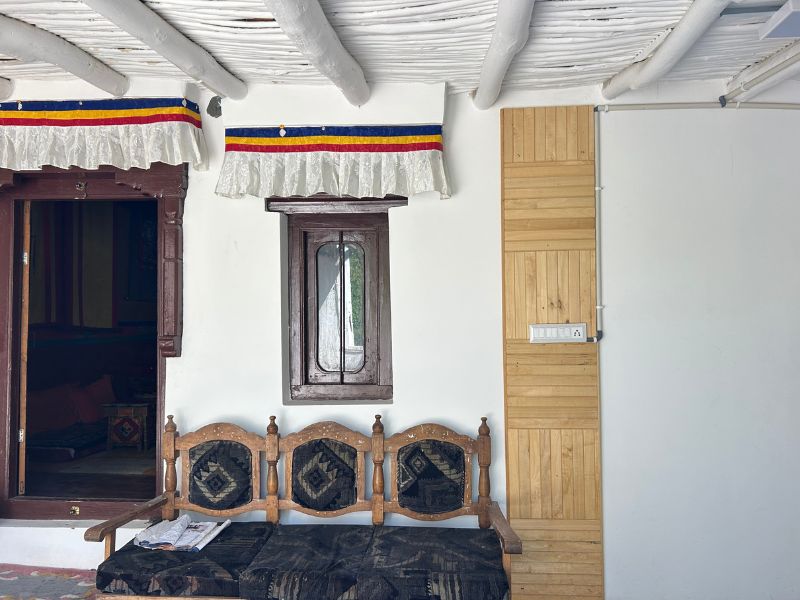
days 3 & 4 olthangpa’s homestead, sham valley
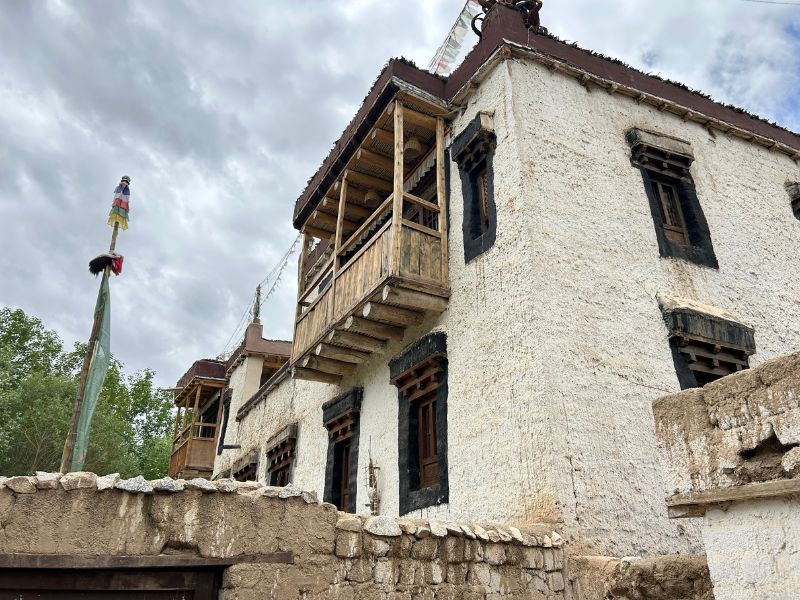
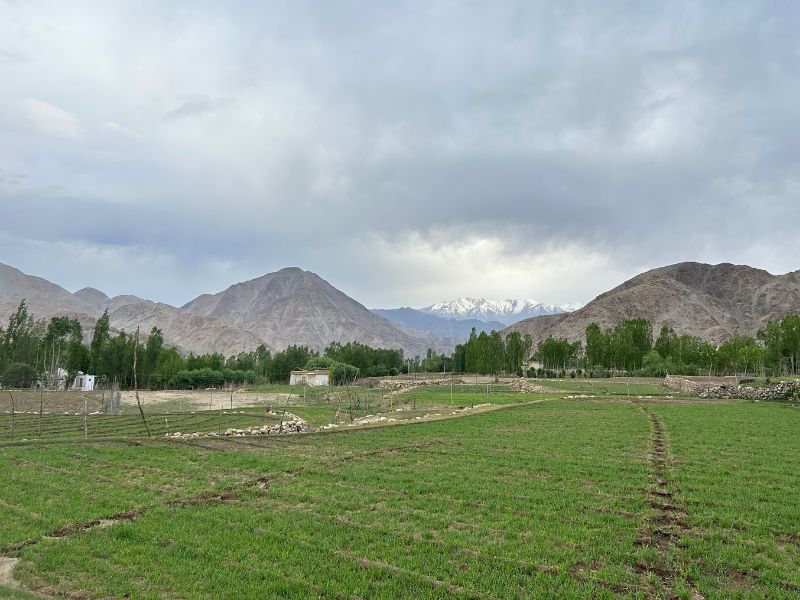
Tucked into the folds of Sham Valley, Olthangpa’s Homestead is a family home where Ladakh’s cultural memory lives on in both stone and spirit. It’s home to Mr. Paljor, a senior member of the Ministry of Culture, his wife Mrs. Dawa, an educator and school headmaster and Mr. Paljor’s Amale (Ladakhi for mother). The home is a treasury of Buddhist Thangka paintings by Tsering Wangdus (Mr. Paljor’s father), a celebrated artist and Padma Shri awardee who filled these rooms with colour and prayer. One has the option of participating in early morning prayers with the family in their payer hall.
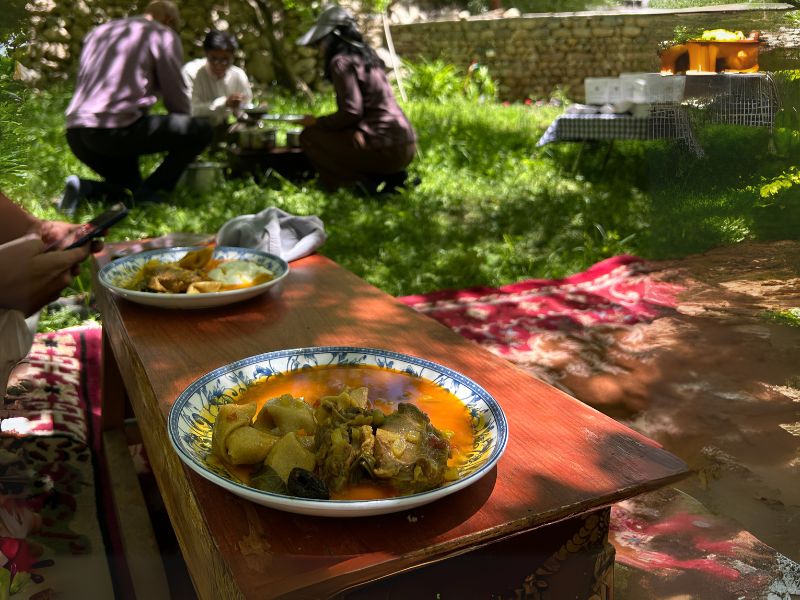
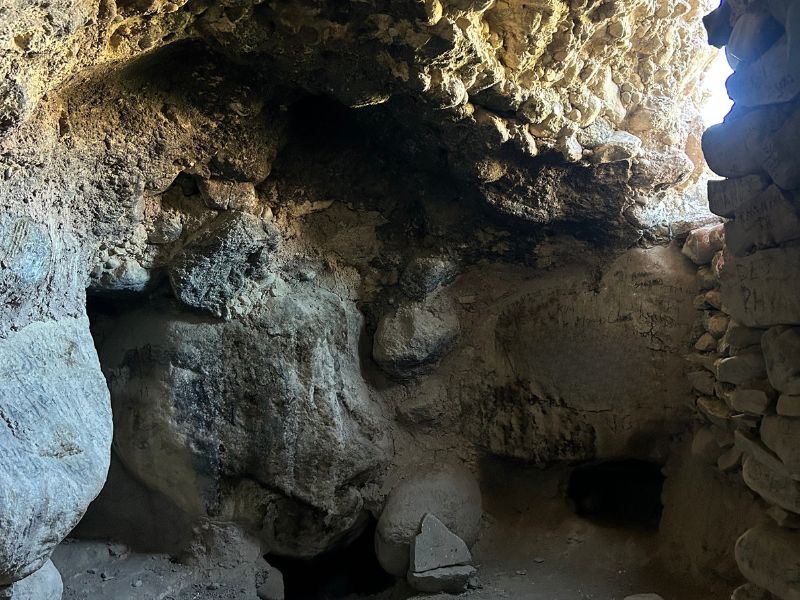
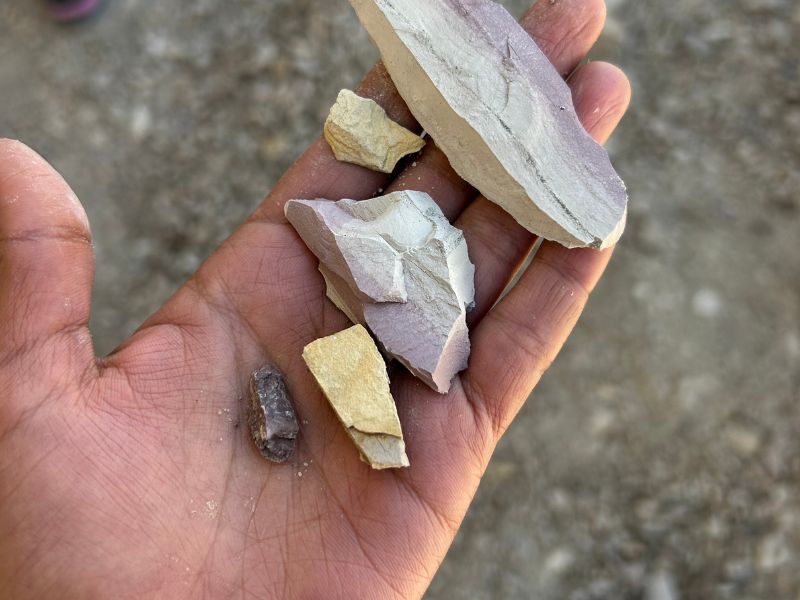
Set out on a geology tour tracing the region’s cultural and architectural history through its natural cues: rock formations, shifting landscapes, and geological marvels. Or step into an ancestral family orchard for a guided walk, before cooking and sharing a traditional Ladakhi meal, accompanied by conversations on time-honoured farming practices. One can wander through the village, where everyday rhythms reveal the quiet essence of Ladakhi life.
Visit an ancient monastery, caves, and petroglyph sites that echo with stories carved across centuries. Conclude you day with a meal at an all-women-run traditional restaurant, a celebration of food, community, and strength.
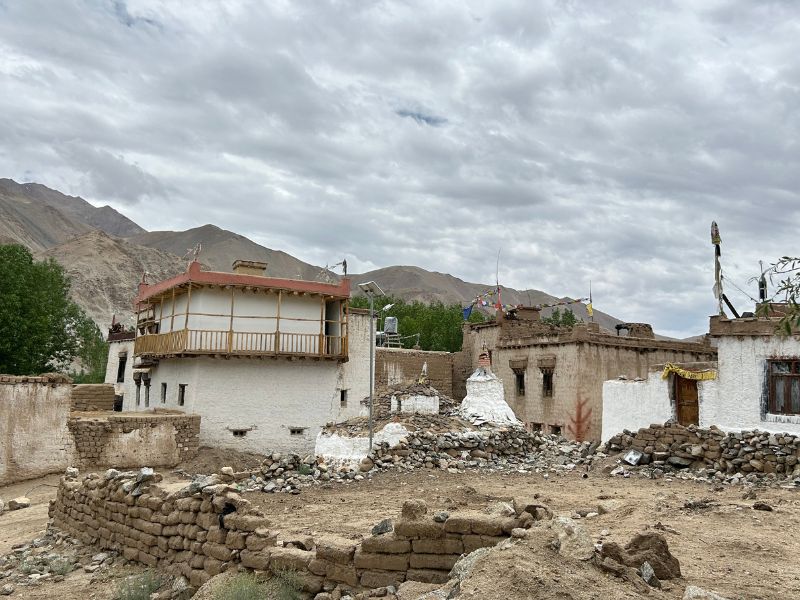
days 5 & 6 tashi’s citadel
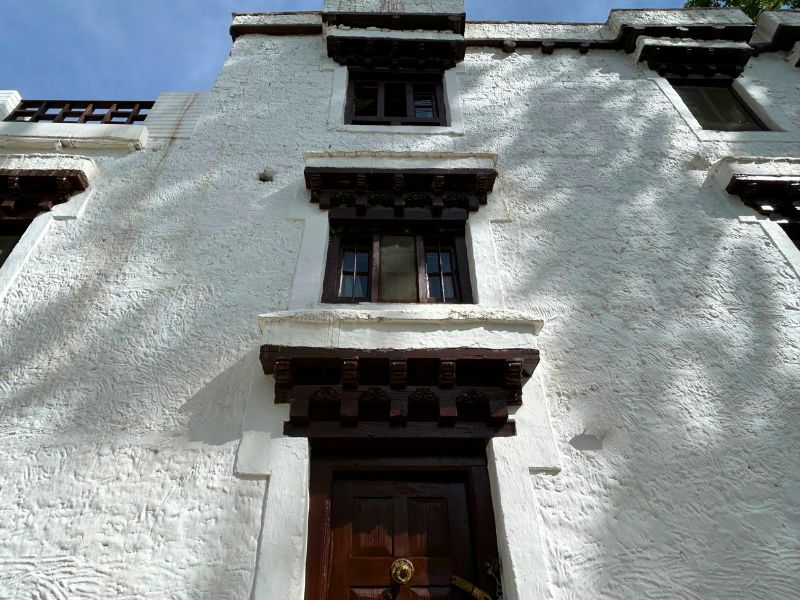
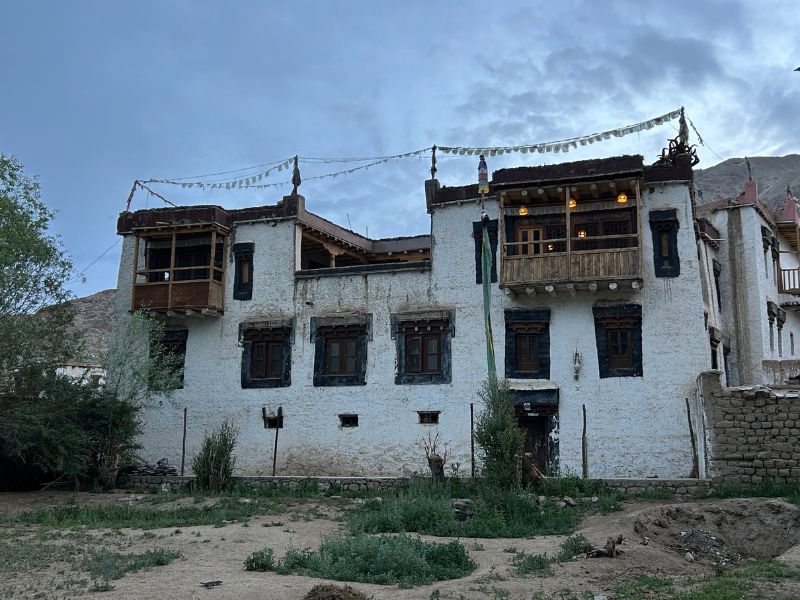
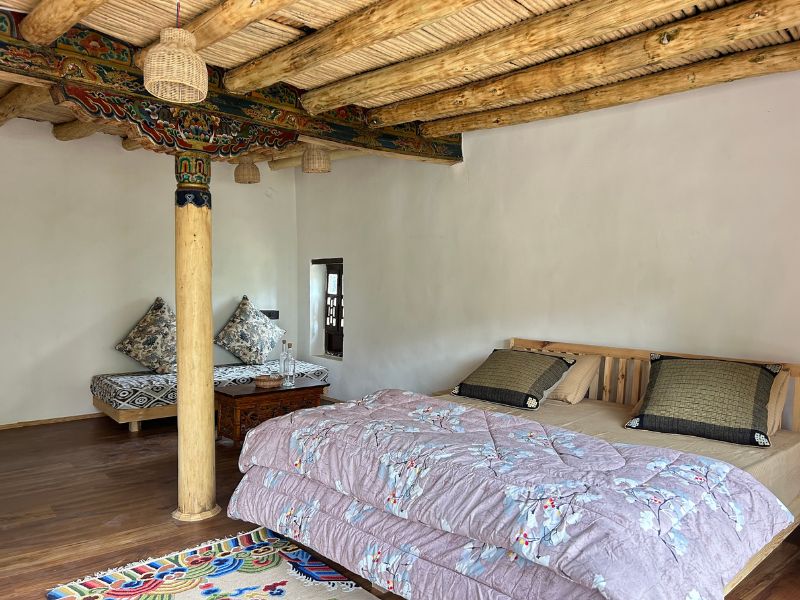
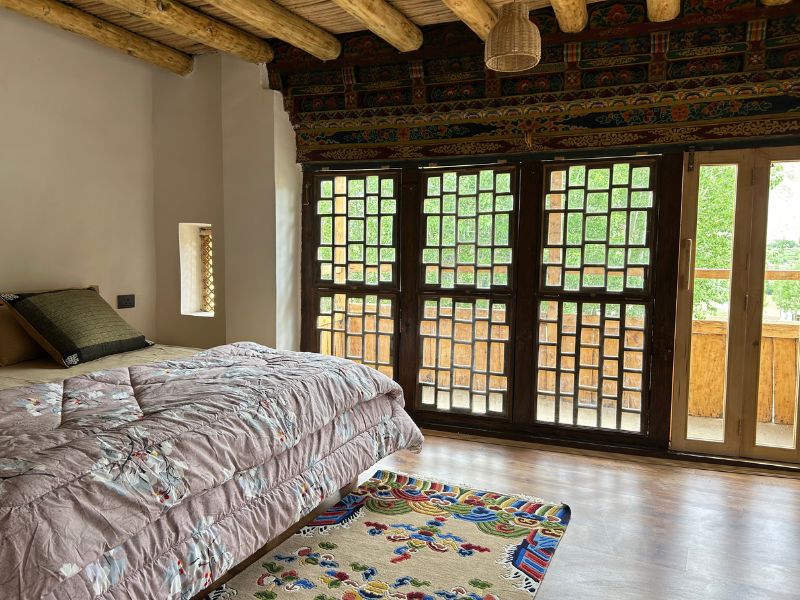
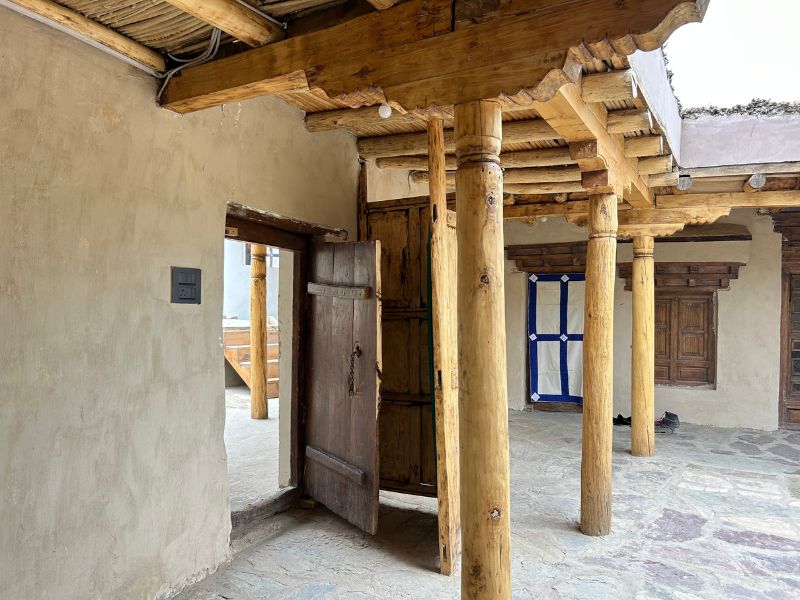
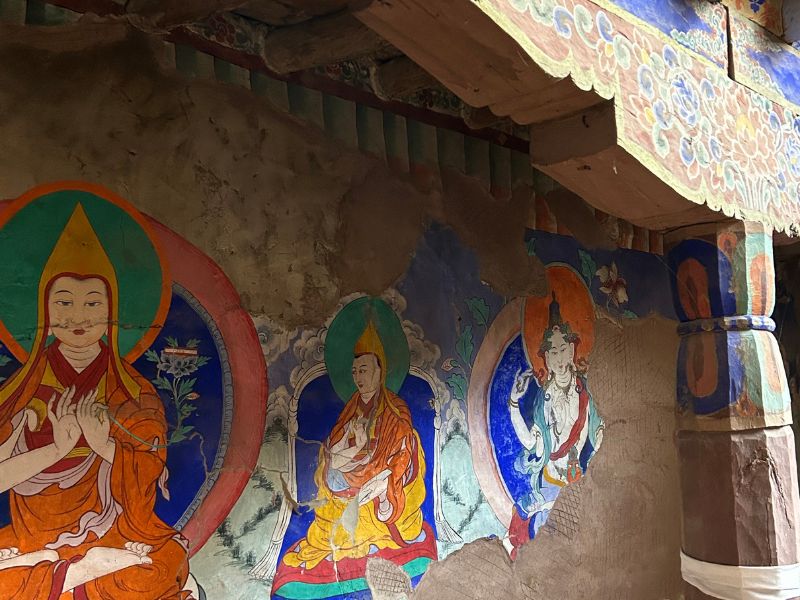
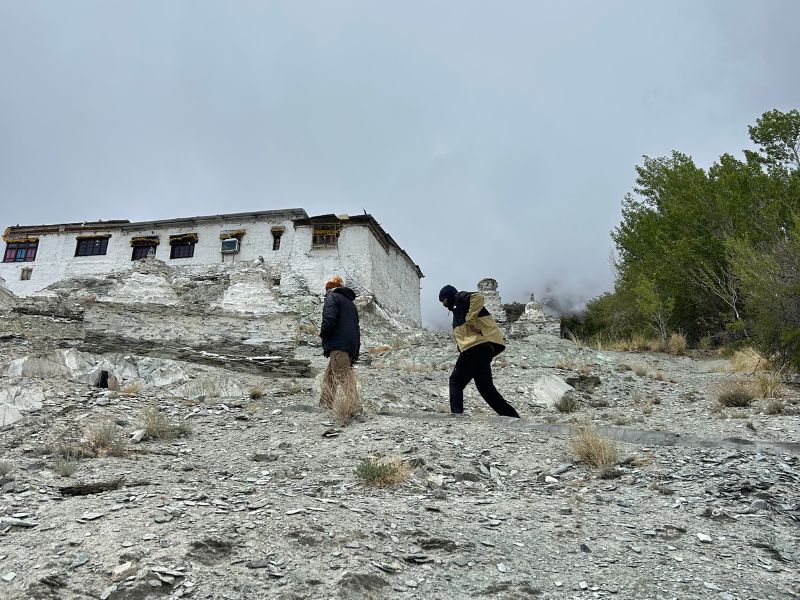
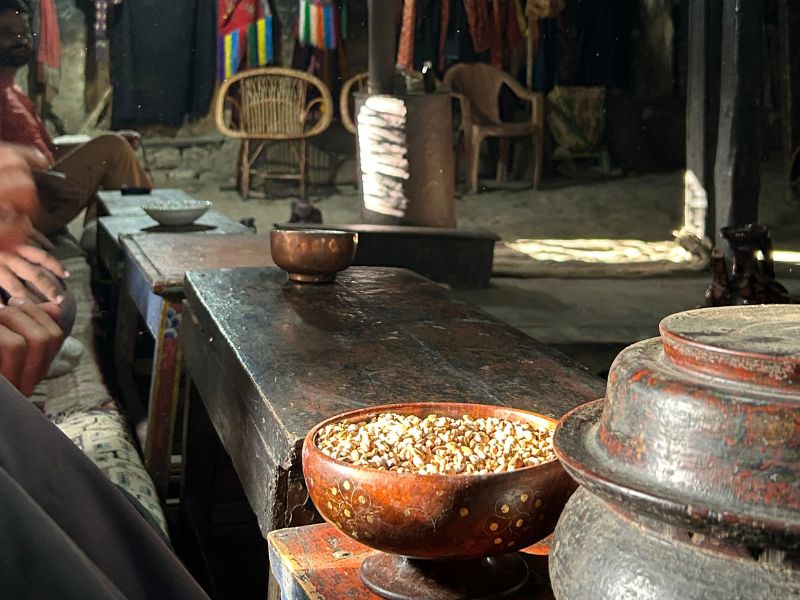
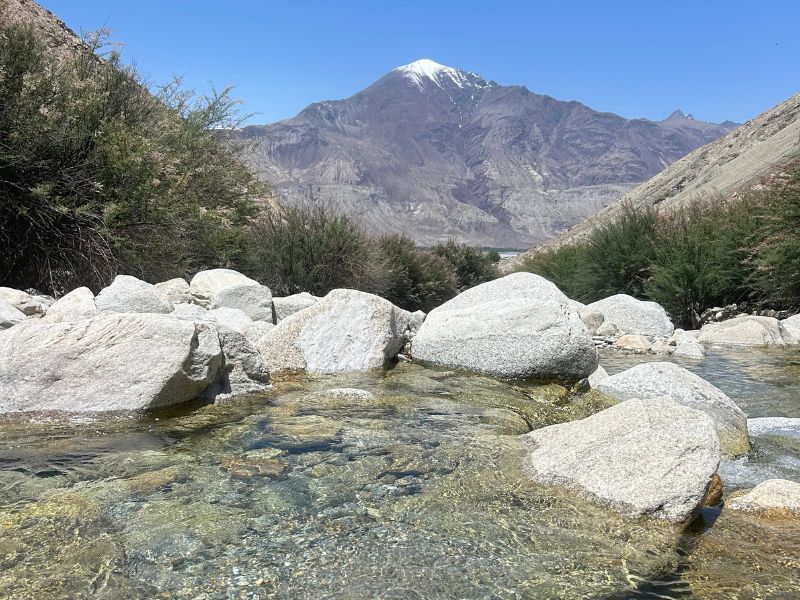
The 150-year-old home is the only one that stands among the crumbling cluster of the extended family’s homes. Made of traditional materials like mud bricks, timber beams, and stone foundations, now revived by heritage conservator Sonam Gyatso (formerly of the Tibet Heritage Fund, known for his conservation work in Old Town Leh) and his son Jigmet.
With some elements originally crafted by the artisan behind Hemis Monastery, Tashi’s Citadel holds deep cultural significance, and its careful restoration is a brave architectural triumph. The deep wisdom of heritage, culture and tradition lives on from the teachings of Sonam ji’s father, Tashi Rabgias: one of Ladakh’s great intellectuals, a renowned historian, poet, and cultural preservationist.
days 7 & 8 the sia, nubra valley
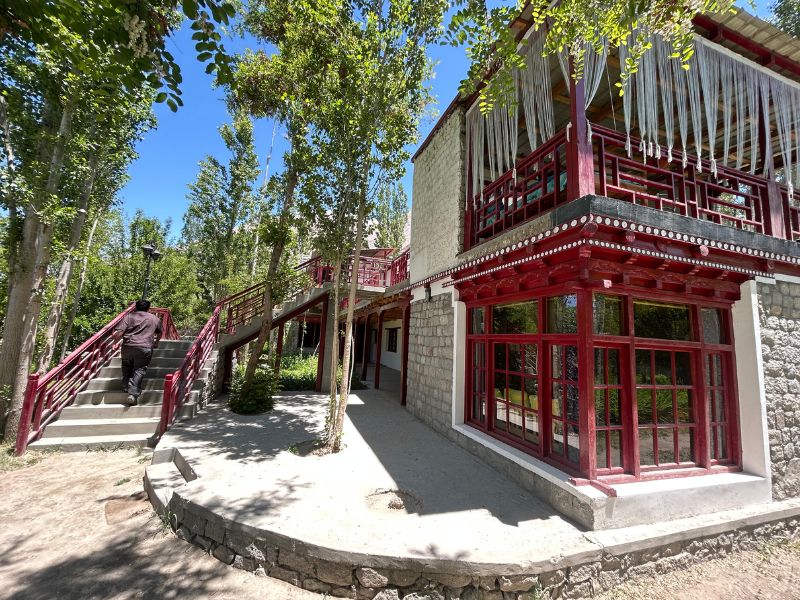
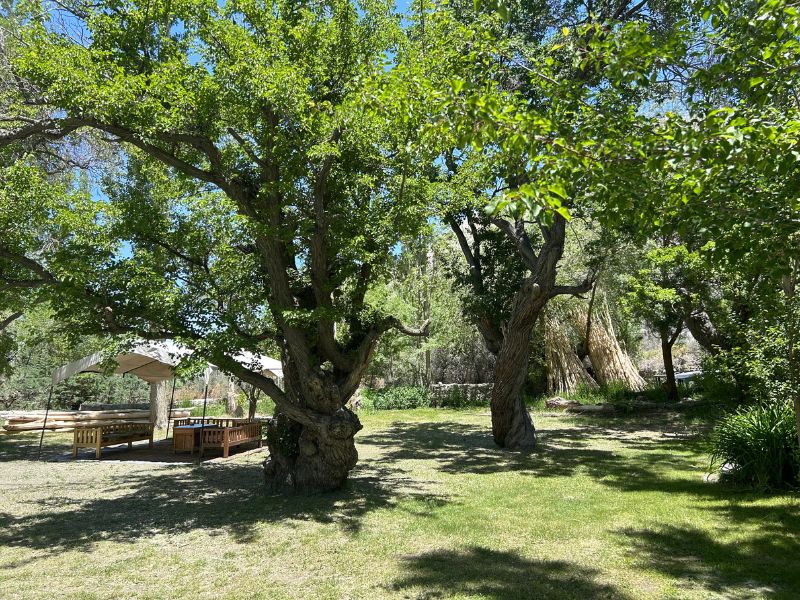
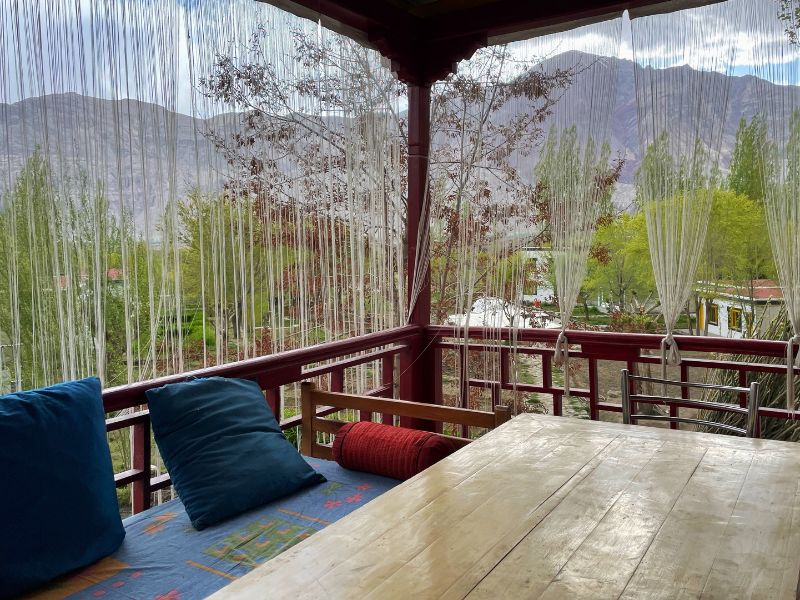
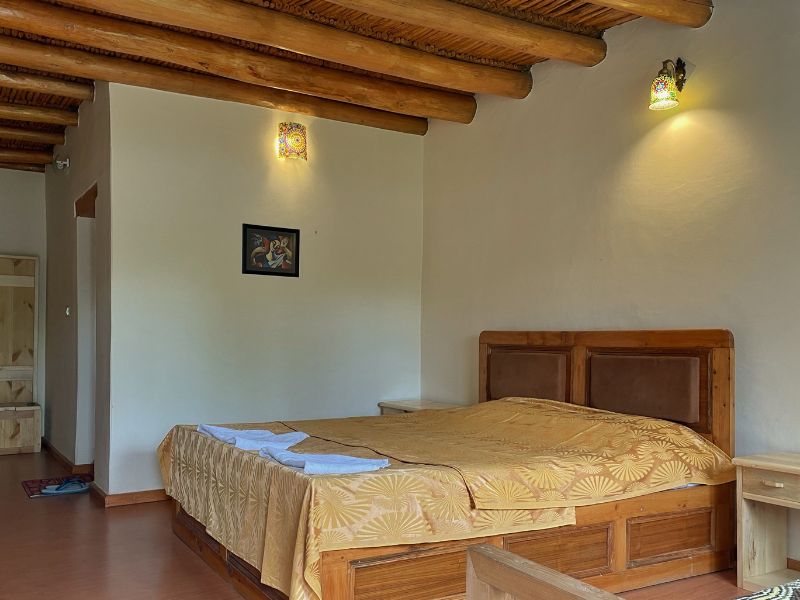
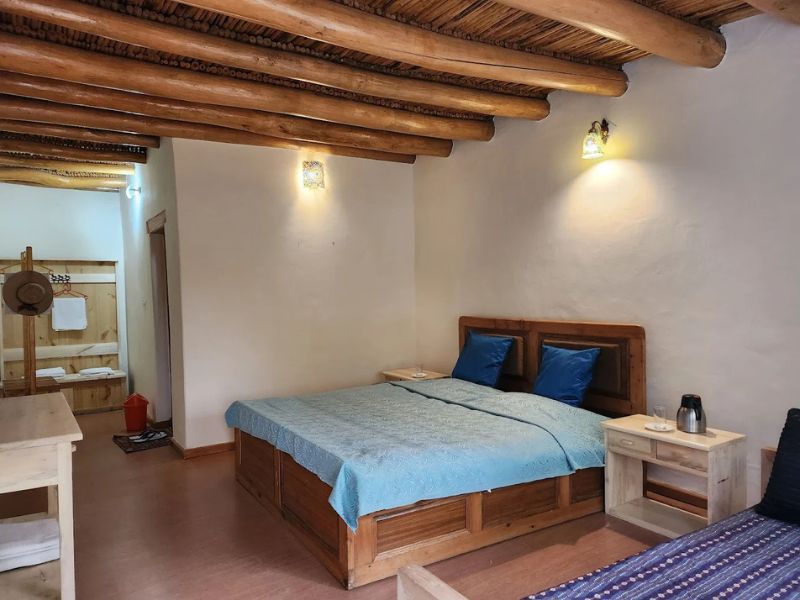
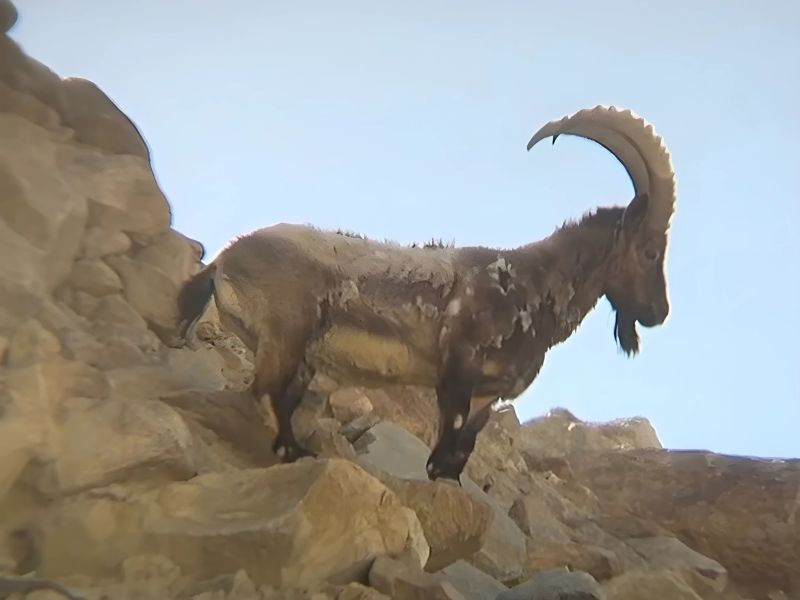
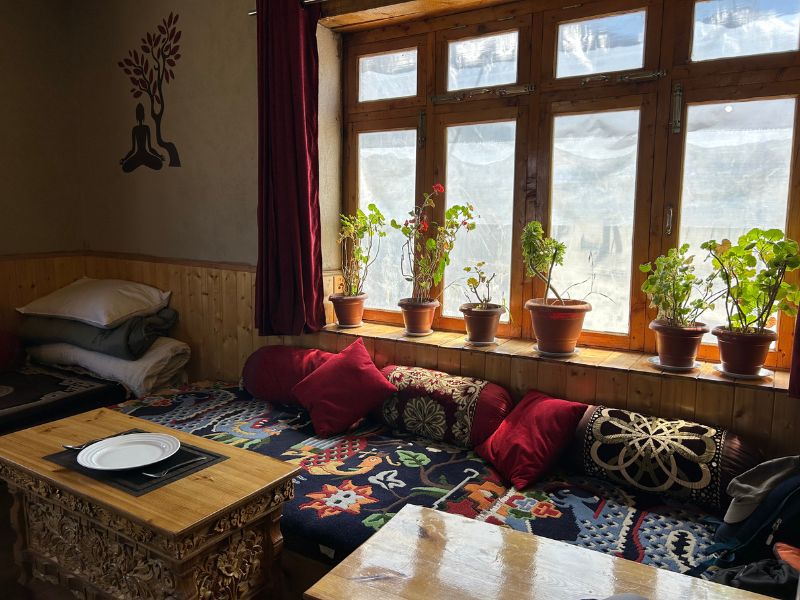
Your entry into the Nubra Valley begins at a quietly sprawling ancestral property with expansive views of the Eastern Karakoran ranges. This was once a caravanserai where travellers of the Silk Route took rest and shelter. Engage in conversations with brothers Mr. Stanzin and Mr. Wangyal about Ladakh’s past, present and future. The willow and apricot trees here are over 300 years old, planted when the family first settled on this land. As they’ve grown, so has the home, with strength and grace, like the river that runs quietly beside the lodge.
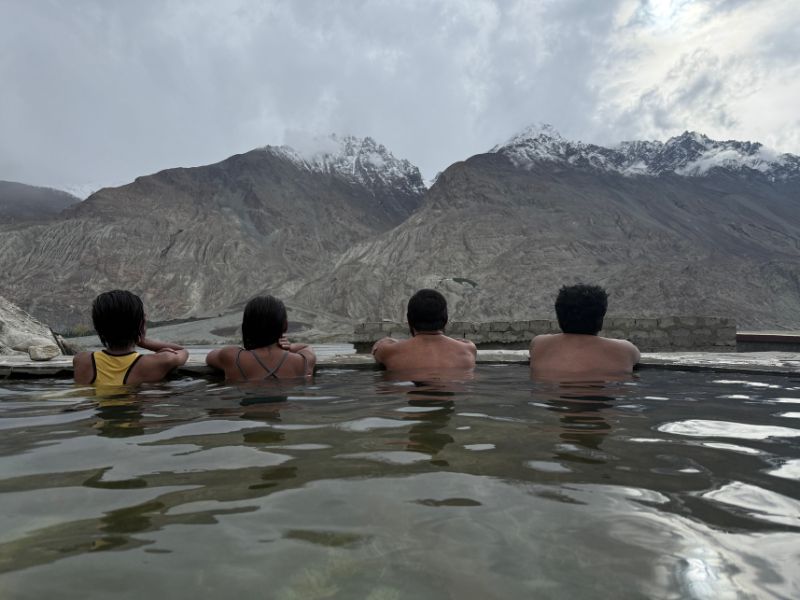
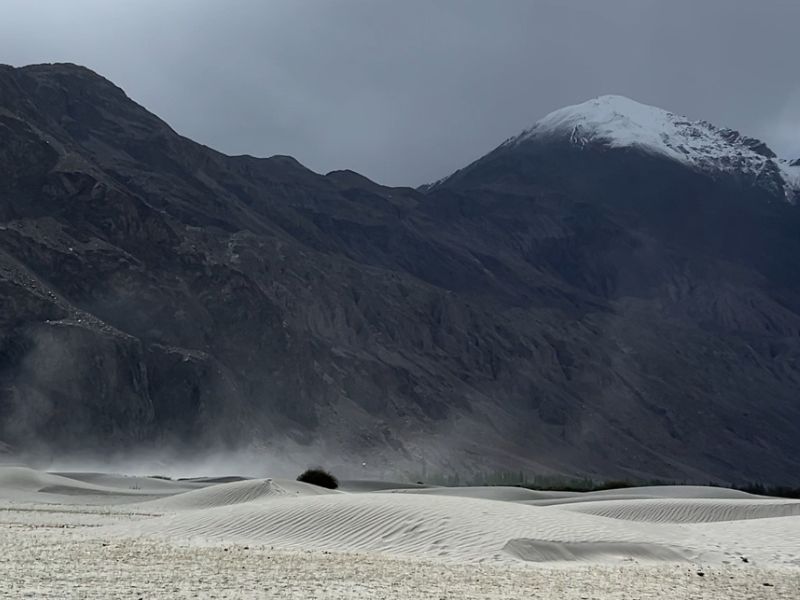
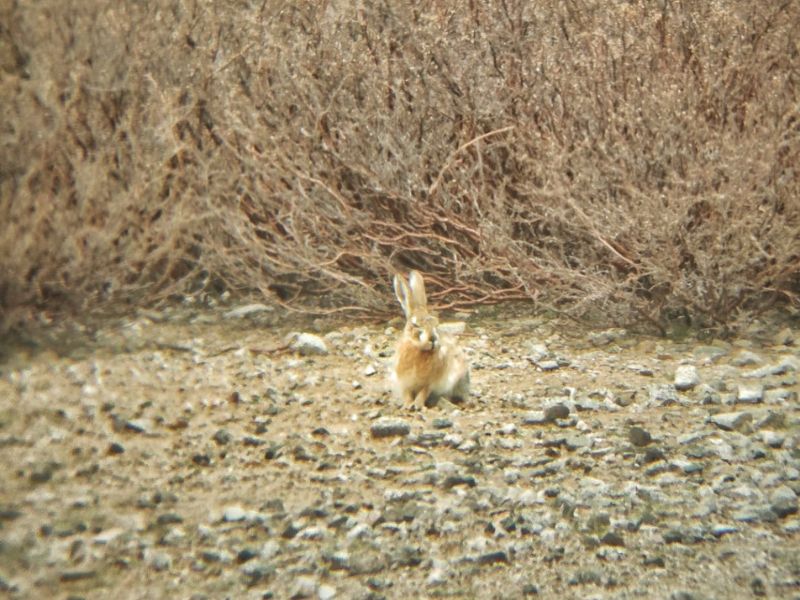
The journey into Nubra begins with wildlife spotting along the drive and one can choose to enjoy a traditional lunch hosted by a local women’s collective in an ancestral home. One could choose to hike to a monastery and fort, or head directly to the region’s iconic sand dunes. Explore Nubra’s villages wandering through caves, monasteries, sulphur springs, petroglyph sites, a waterfall, and even a mythical lake, each stop adding another layer to Nubra’s rich natural and cultural landscape.
days 9 & 10 tsories, changthang
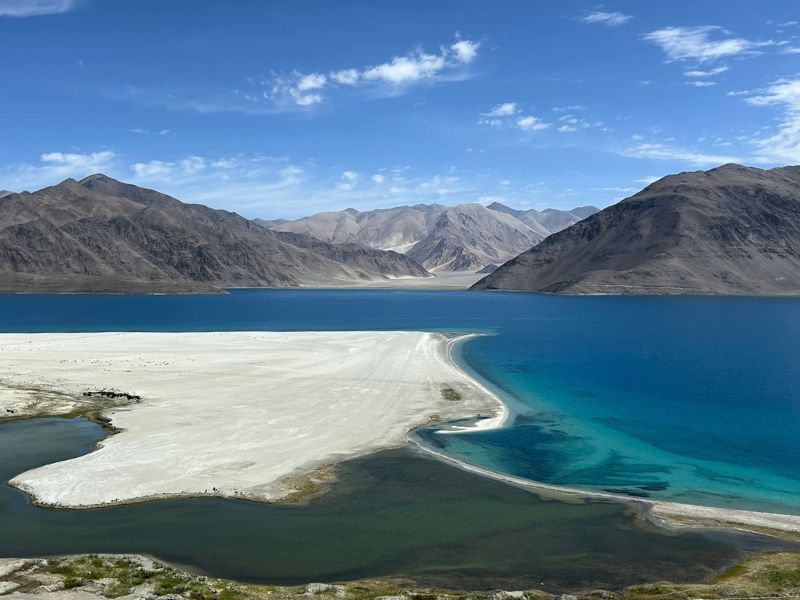
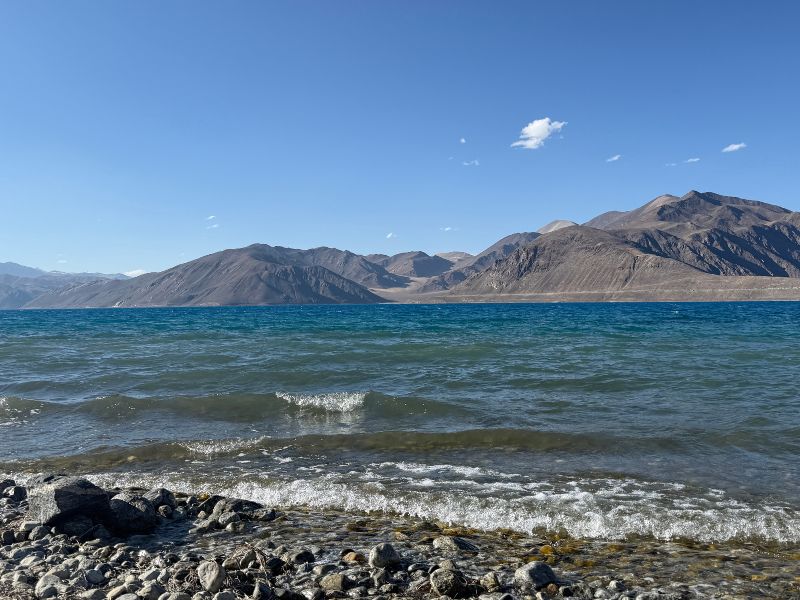
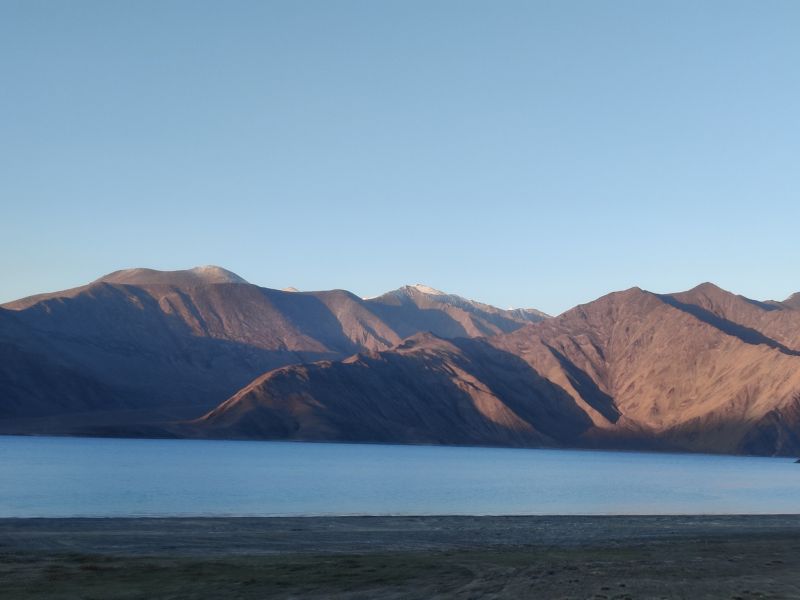
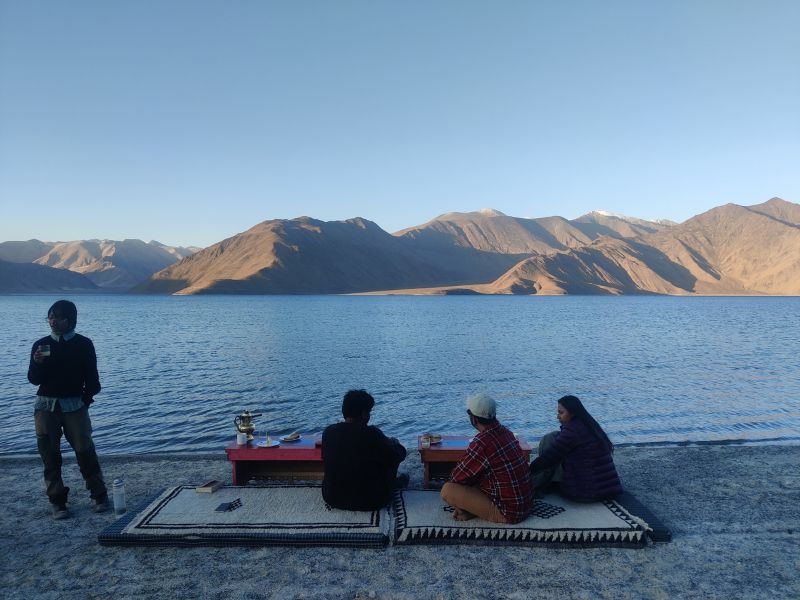
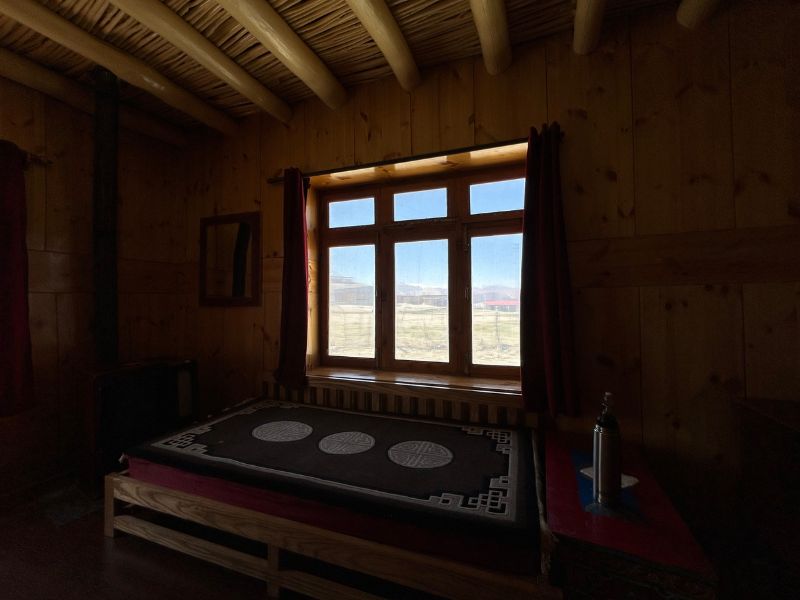
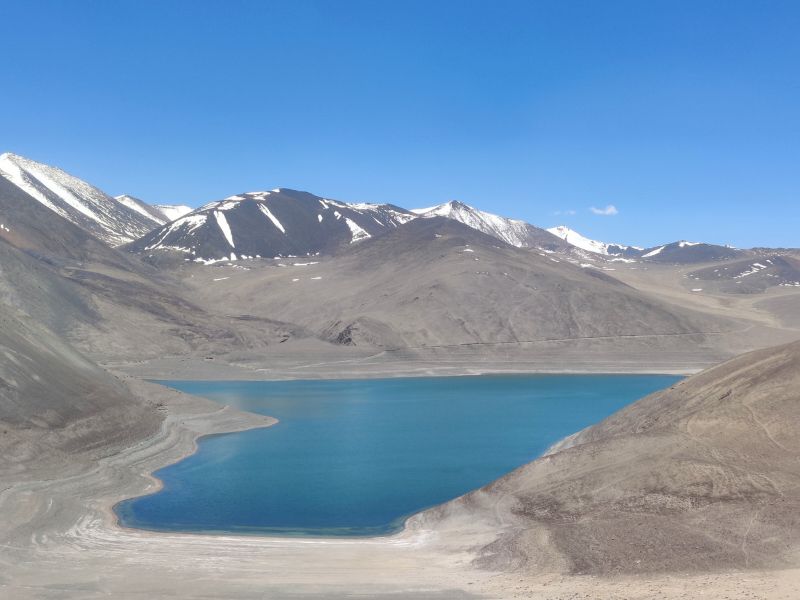
Overlooking the glittering expanse of the blue Pangong Tso, is a modest, sun-warmed home run by Norbu and family. Simple, sincere, and still rooted in traditional hospitality while mass tourism builds up around it.
Begin the day with peaceful walks along the shimmering shores of Pangong Lake, followed by a special lakeside high-tea in a secluded corner by the water. Later, set out on a guided hike over the hill that overlooks the lake, arriving at a village where you experience yak rearing and traditional husbandry practices. As night falls, gather for an astronomy session and stargazing under Pangong’s vast skies (weather permitting), a magical window into the cosmos.
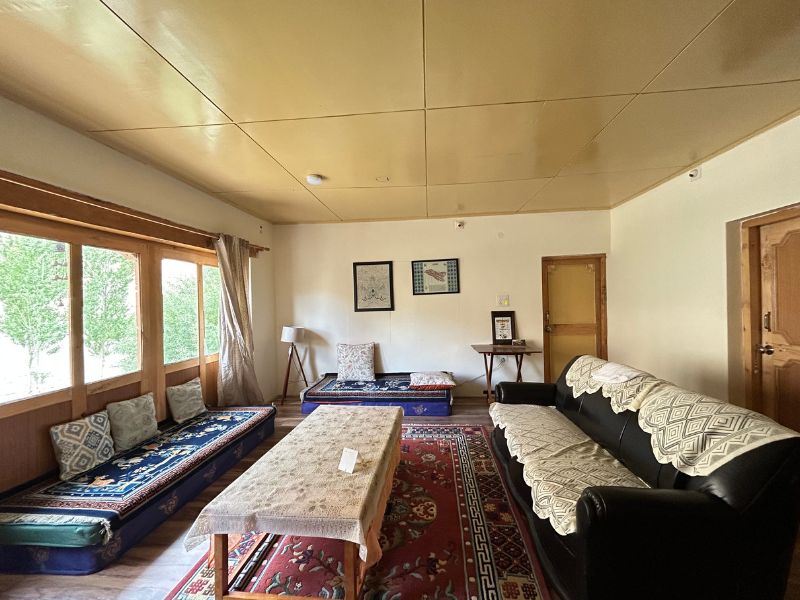
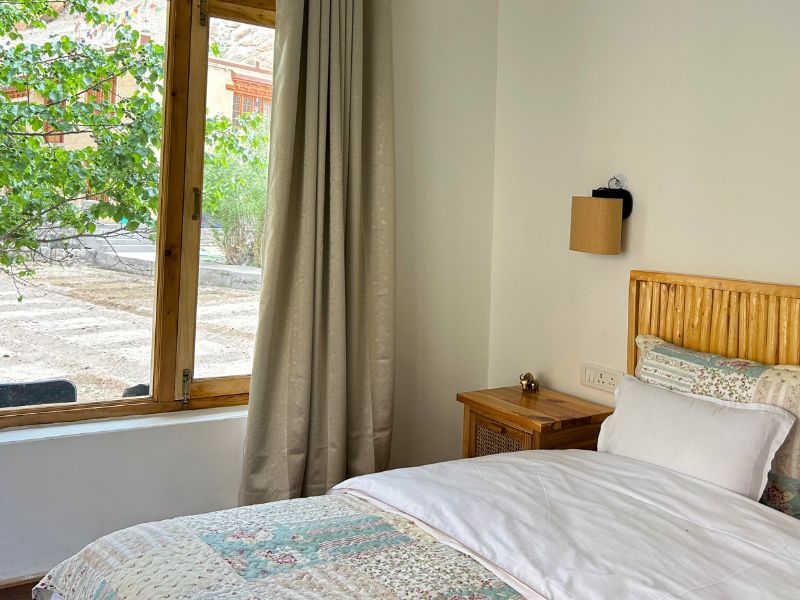
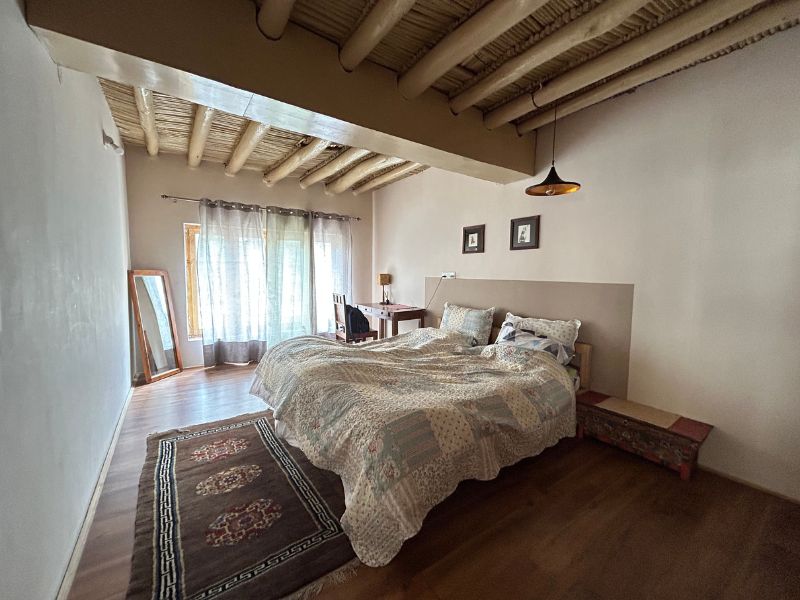
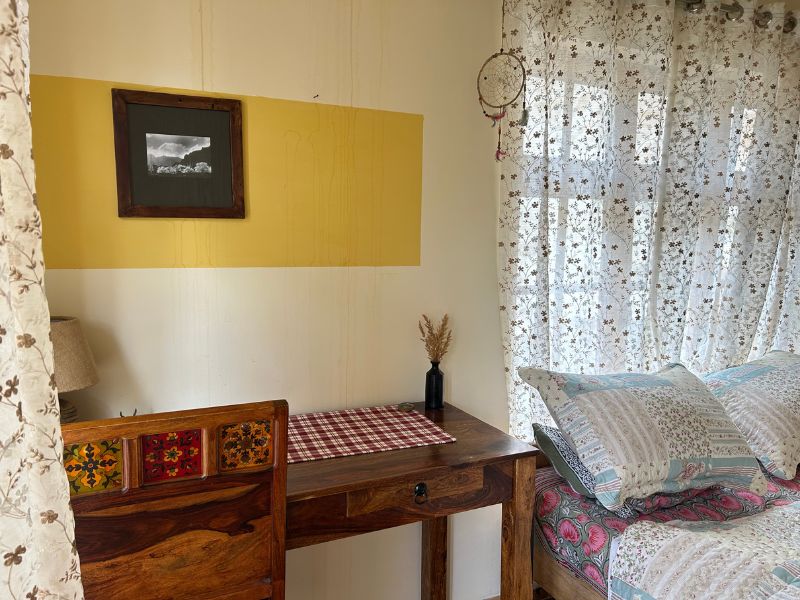
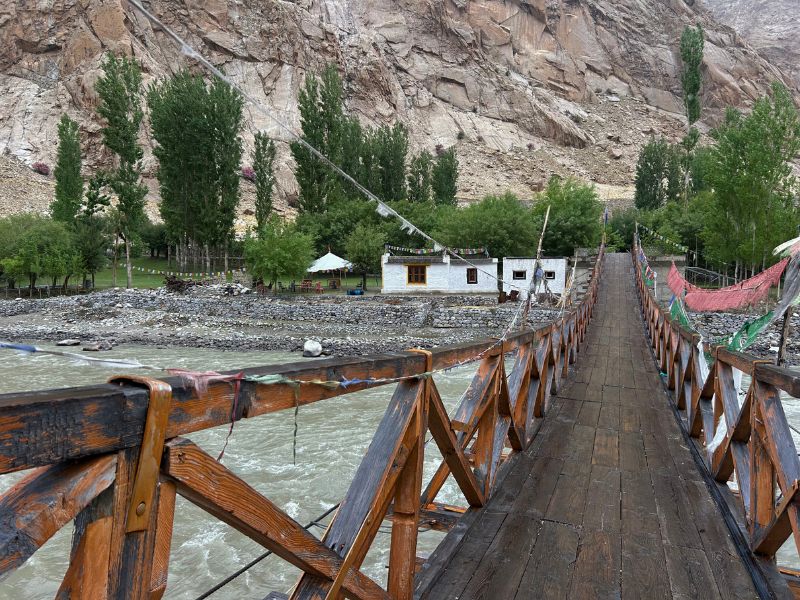
days 11 & 12 inn-dus, rong valley
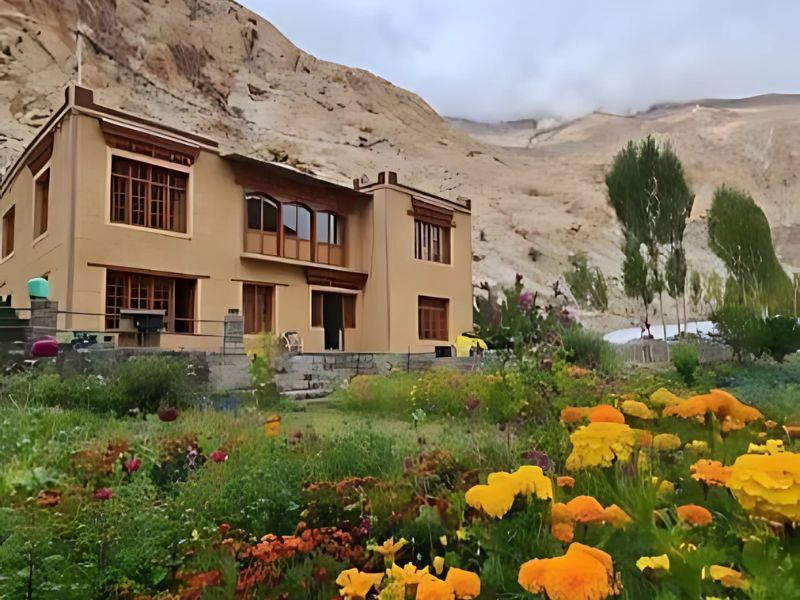
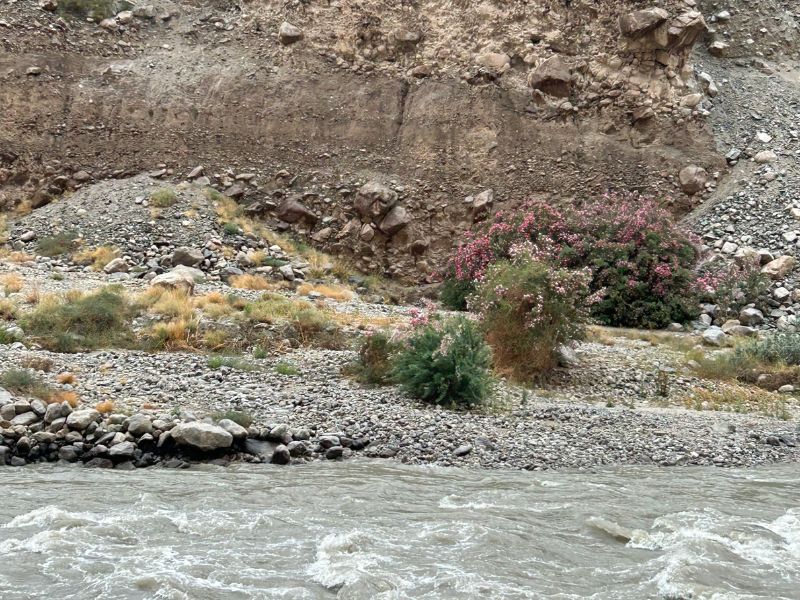
Run by Dechan and her family, this homestay is inspired by Auroville’s values of sustainability, and is rooted in the traditional Ladakhi rhythms of seasonal farming. It sits by the Indus in a village that was once the family’s winter settlement, and is now their permanent abode. It offers an experience of slow, thoughtful living.
One can feel free to partake in seasonal activities at the family farm (Chamomile picking is a highlight, but is seasonal). One can get involved in the kitchen by attending traditional Ladakhi cooking lessons with the family and even taste Chang (a fermented barley drink) cased on availability.
Drive up to the family’s summer settlement and enjoy a hike and picnic amidst the quaintly magical high pastures. Later, return for slow walks around the winter village, before setting out again to visit two sacred lakes, where a packed picnic lunch awaits in the stillness of the landscape.
days 13 & 14 mabel’s eden, indus valley
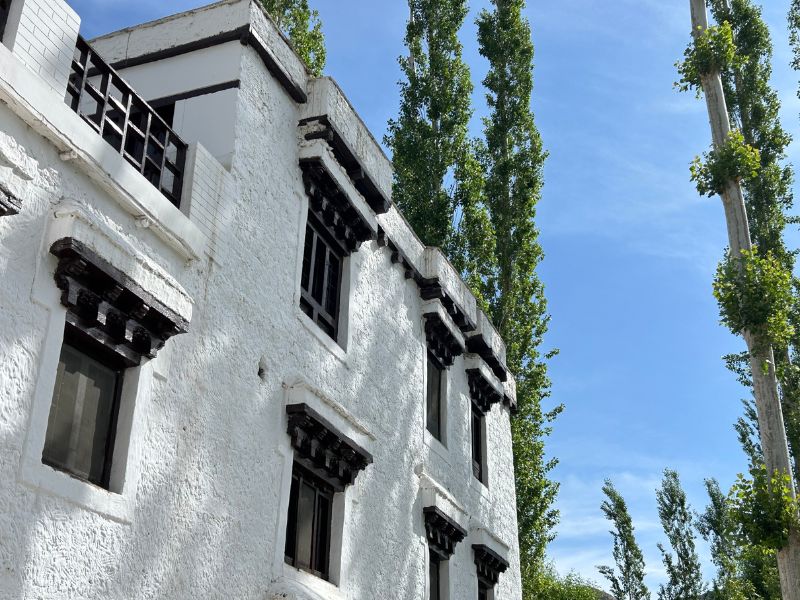
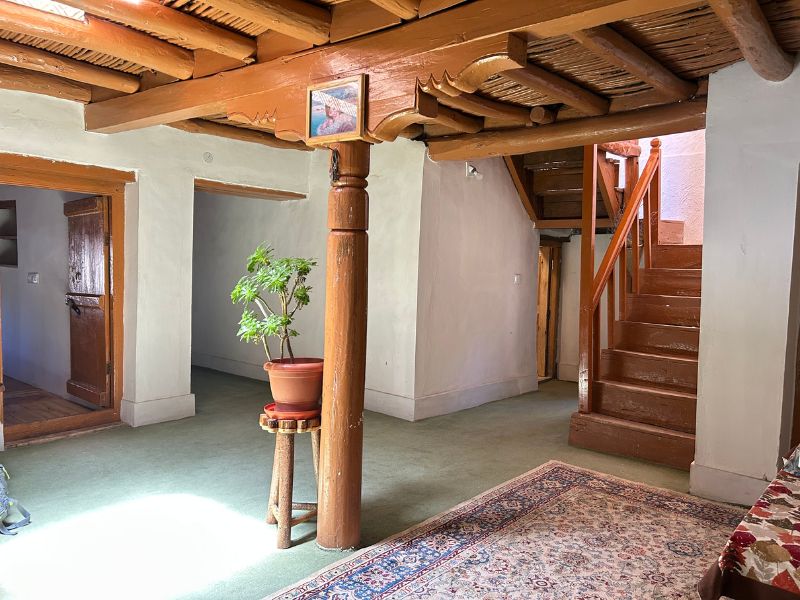
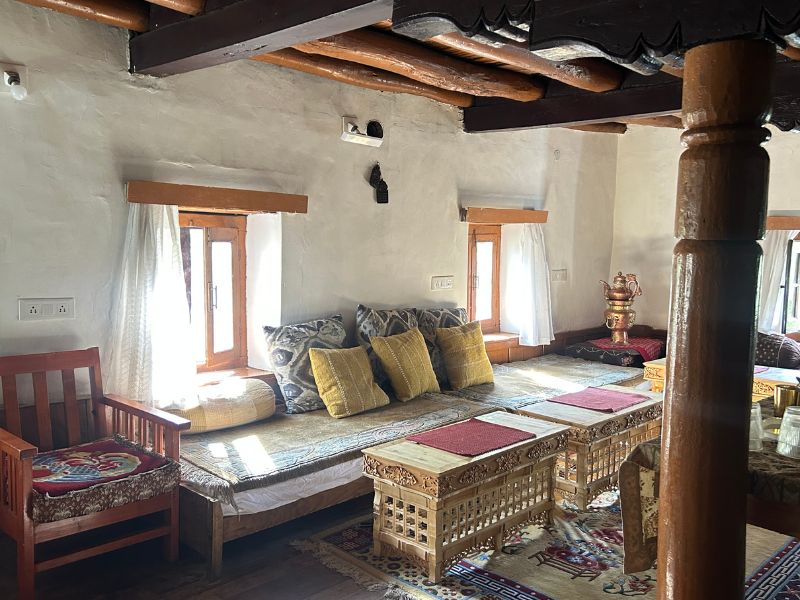
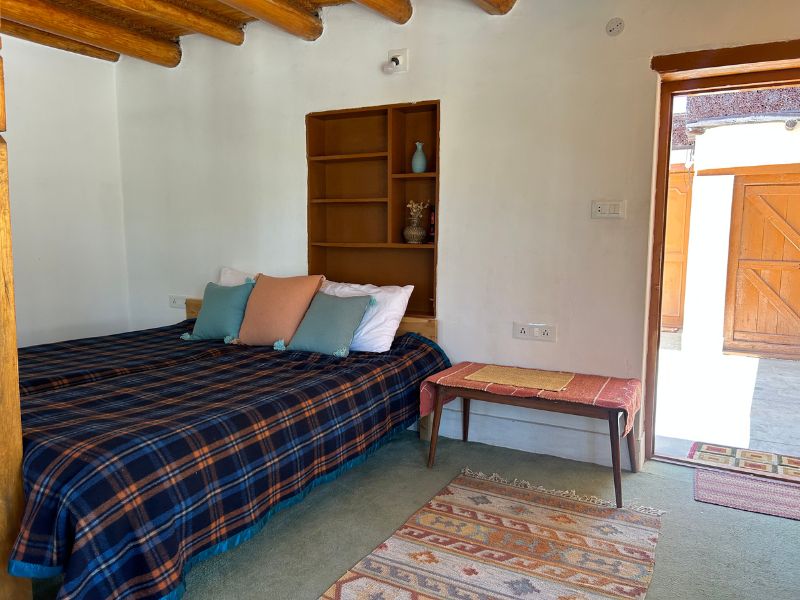
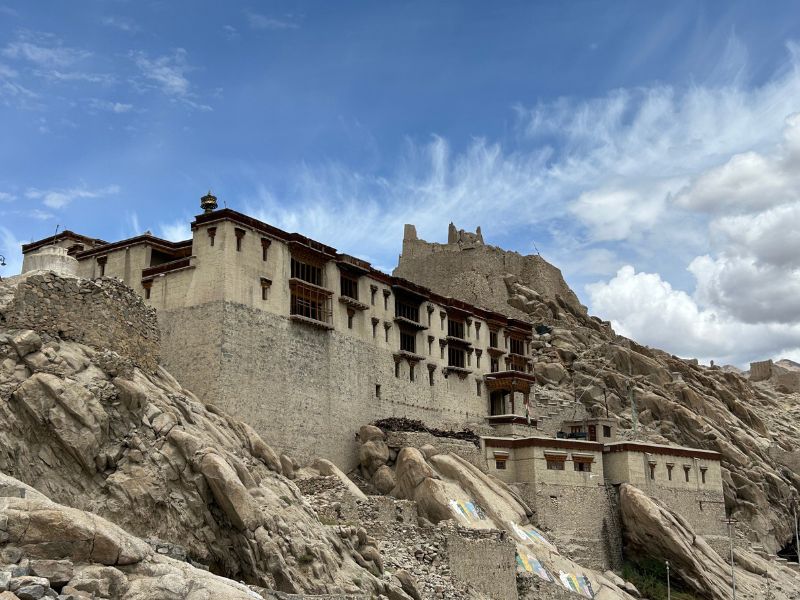
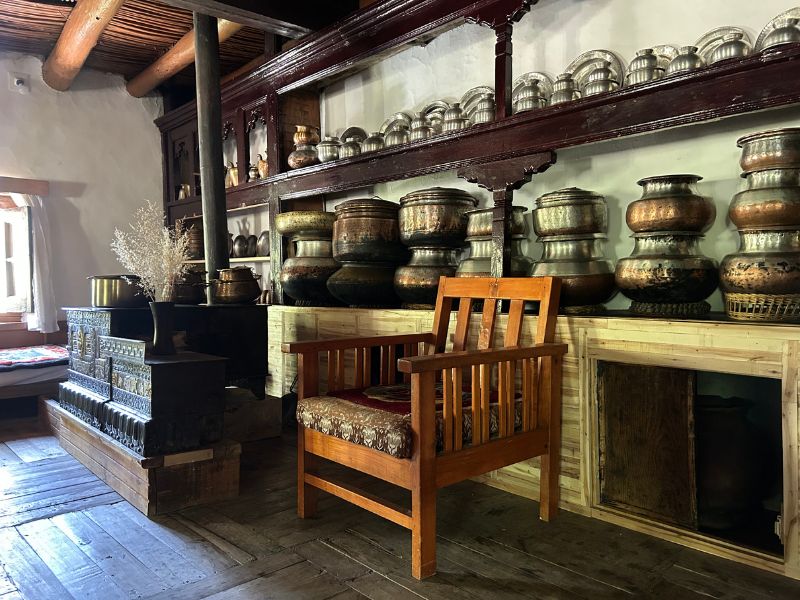
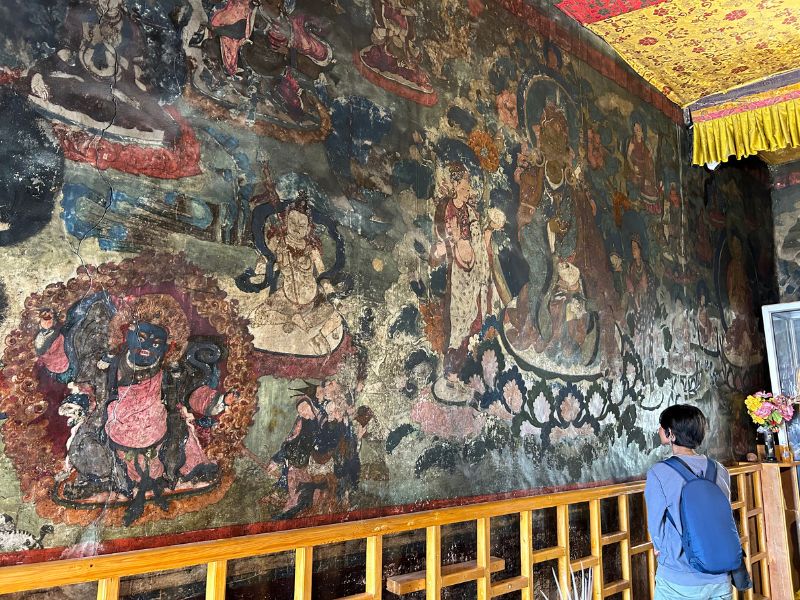
Over a 100 years old, this restored ancestral home in Shey is gentle, elegant, quietly proud and lovingly cared for by its hosts, who continue to carry forward a spirit of gentle, authentic hospitality.
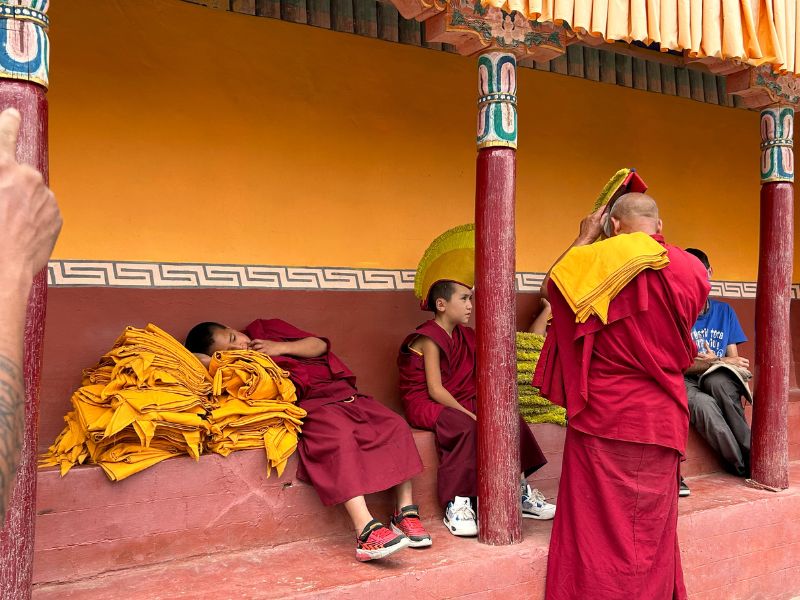
Begin the day with morning prayers at the serene Thiksey Monastery, followed by a visit to Shey Palace and a fascinating Rocks and Minerals museum. The afternoon is reserved for long, peaceful walks through the village and along the riverside, offering quiet moments to soak in the rhythm of Ladakhi life.
elevate your journey
To enhance your experience of Lost & Found Ladakh, we offer a selection of optional cultural add-ons: curated home stays and immersive experiences that let you connect more deeply with the region’s traditions, people, and landscapes. These are optional and customisable, are charged separately and may extend your journey depending on the location and activity.
balti experience, turtuk
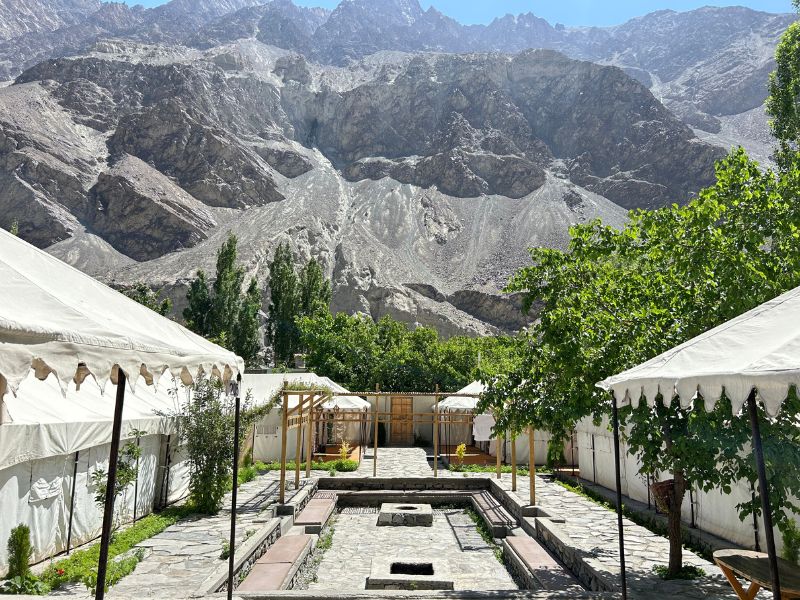
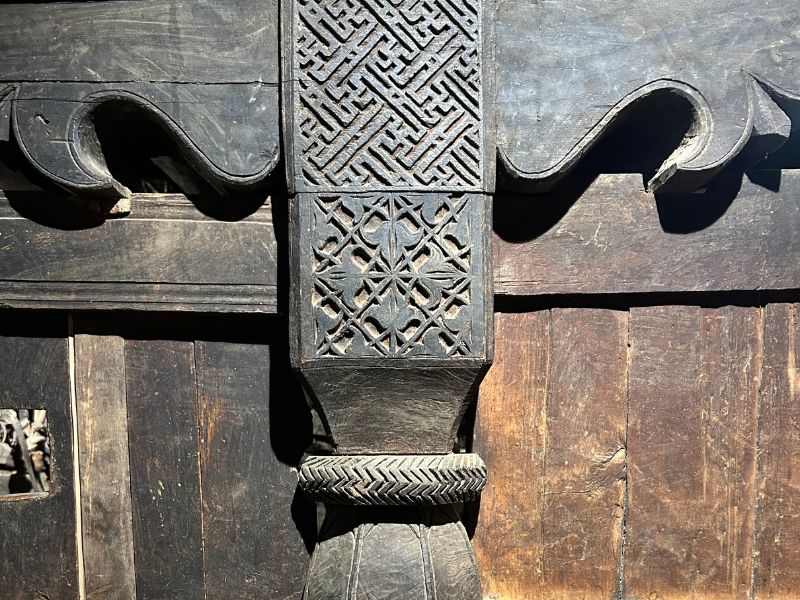
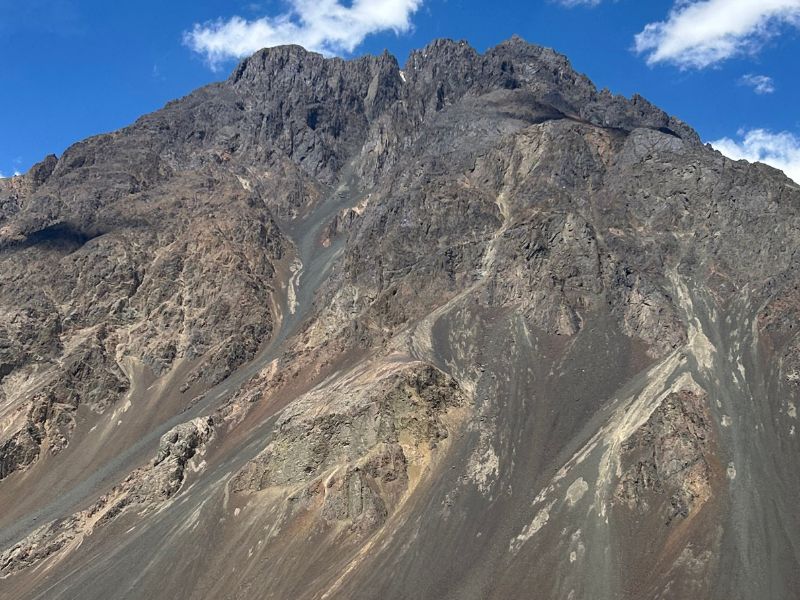
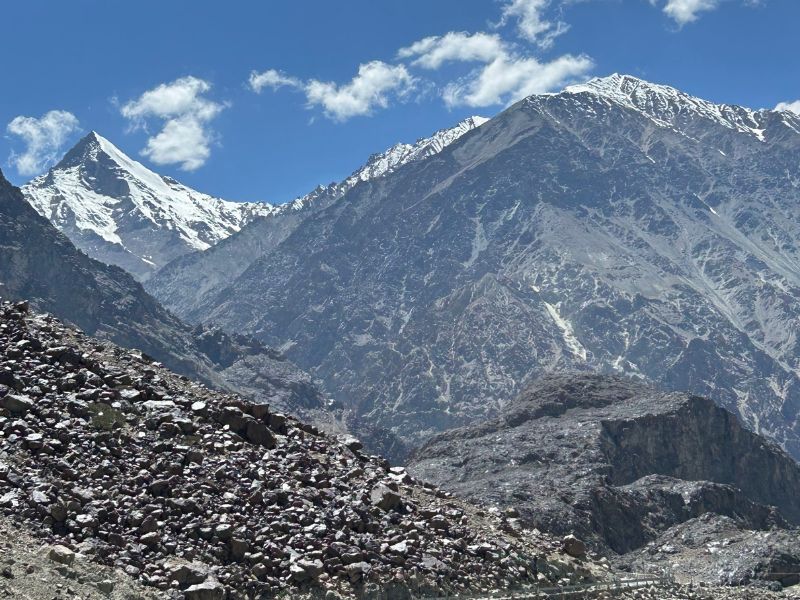
At the very edge of India and Pakistan, Turtuk opens a window into a different Ladakh – one shaped by Balti culture and layered with histories both visible and hidden. Here, you will be hosted in a safari-style ecolodge, a comfortable yet grounded base from which to explore this unique frontier.
More than just a border village, Turtuk is home to rich traditions, warm conversations, and flavours you won’t find elsewhere. It’s a chance to see beyond geography and politics, and to engage with the village for its stories, people, and living culture.
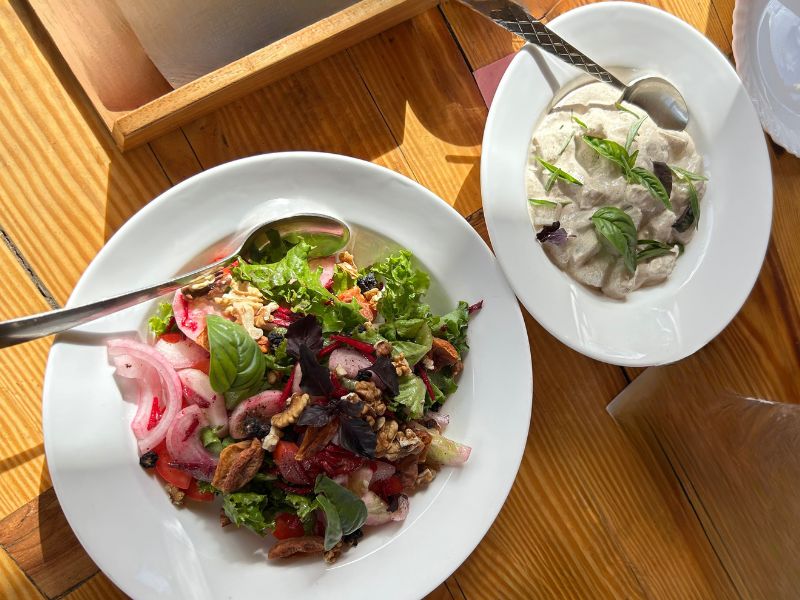
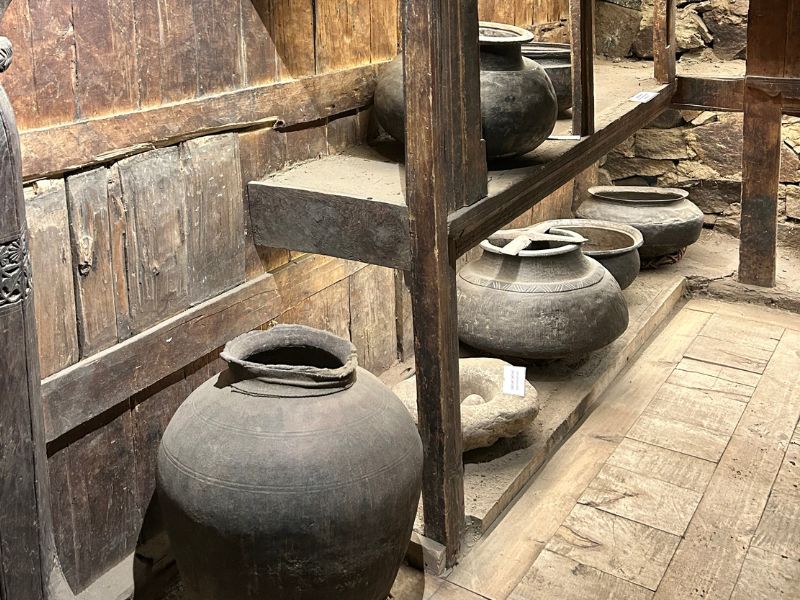
Share an exceptional lunch at an outdoor restaurant run by a Balti couple, visit a local museum and palace, and spend time with a magnetic village elder (once the head of Turtuk village) whose home, museum, and archive are as captivating as his storytelling.
shepherd's trail, changthang
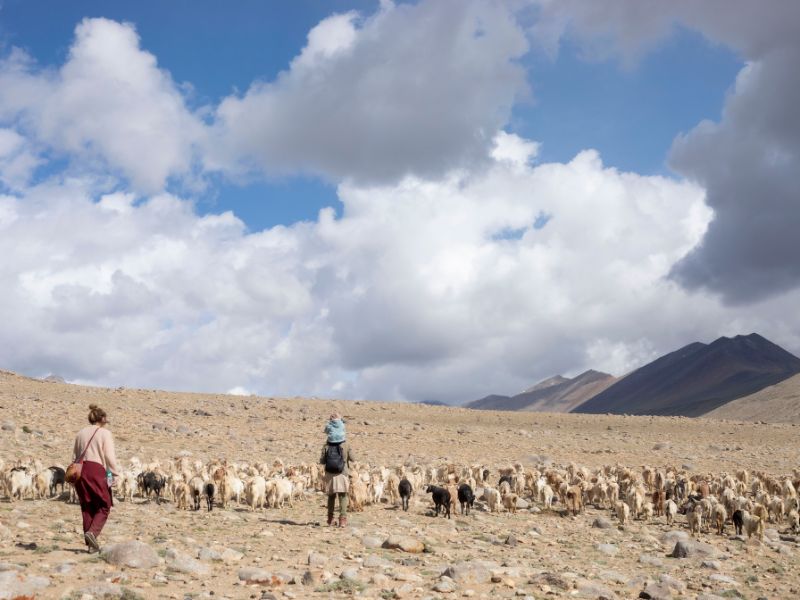
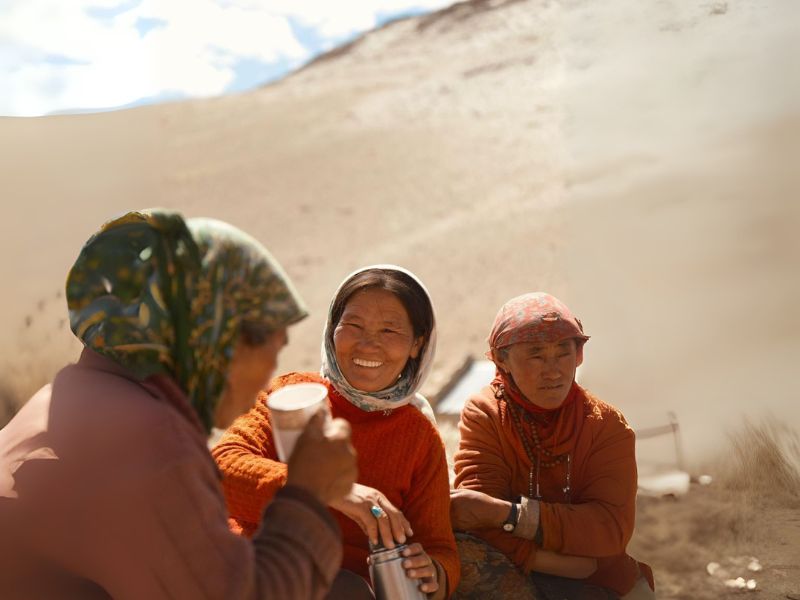
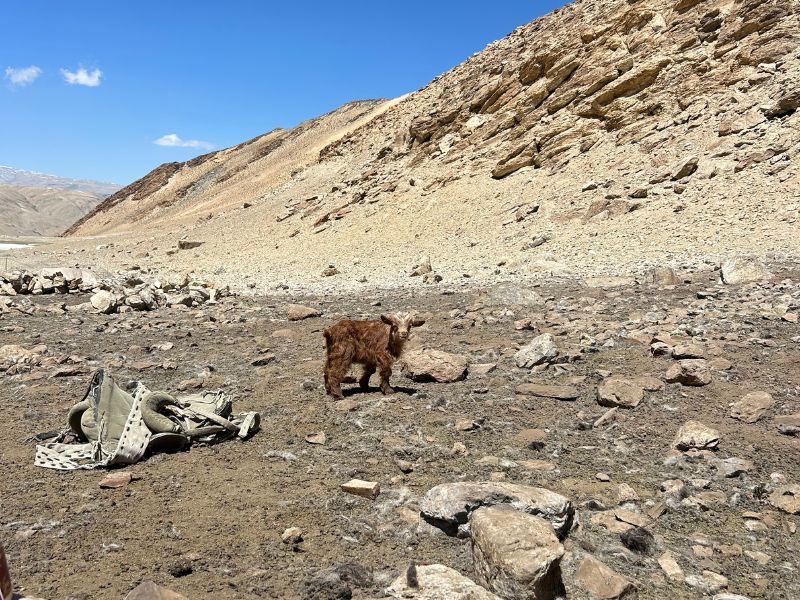
While this trail celebrates ancestral homes, some Ladakhi lineages are rooted in a nomadic lifestyle carried across generations. The Changpas, guardians of the high-altitude Changthang plateau, embody this way of life. Moving with their herds of yak, sheep, and goats across vast open landscapes, they produce some of the finest pashmina wool in the world.
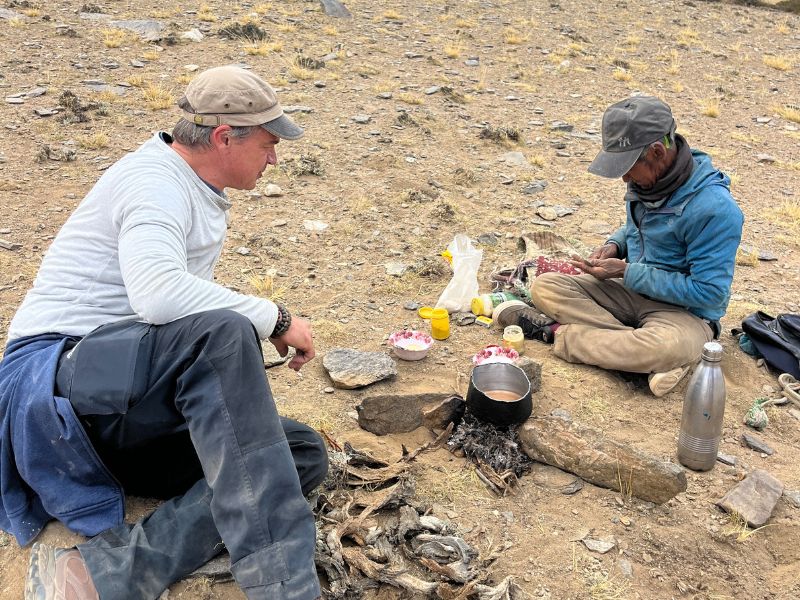
Your stay here is an invitation to step into their world, to learn about a way of life shaped by wind, sky, and endurance. Conversations open up about the history and present of the Changpas, while hands-on experiences bring their routines to life: milking goats, herding them across pastures, and even shearing wool with traditional tools.
Evenings are for resting under the stars, either camping beside their rebo tents or in a warm homestay nearby, surrounded by silence that feels timeless.
holy stoked, indus valley
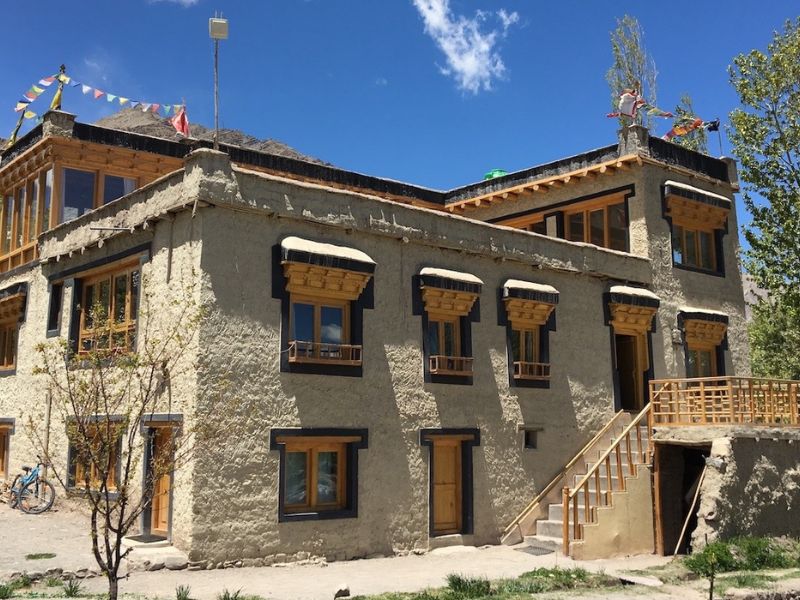
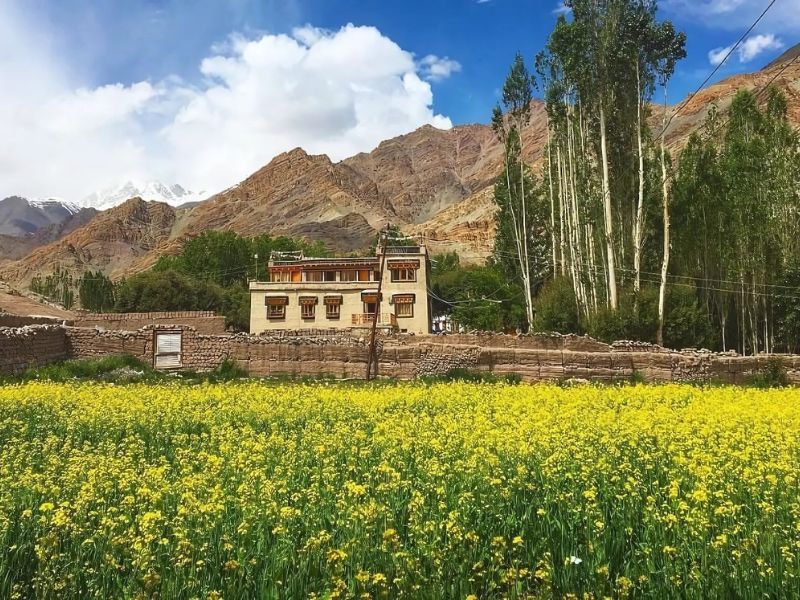
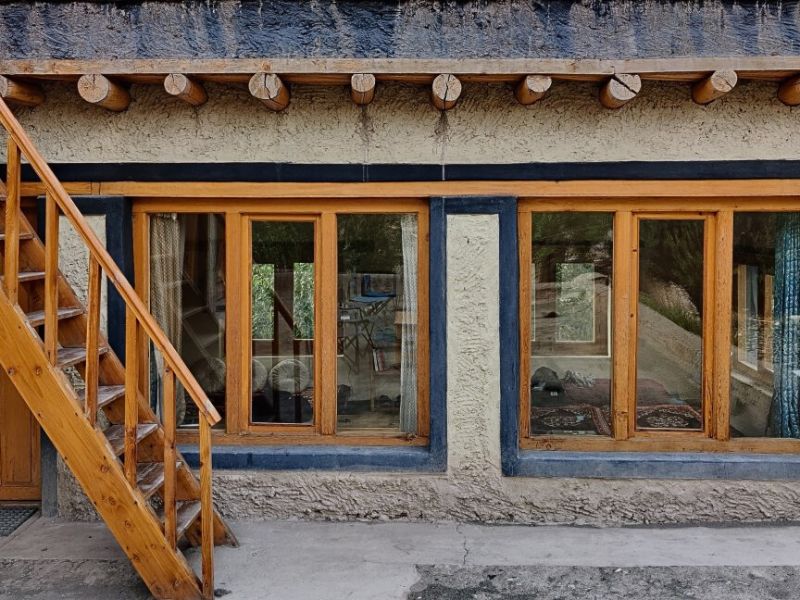
This Ladakhi home, over 60 years old, has been patiently restored for over a decade by the Leh Old Town Initiative. Nestled just outside Leh, Holy Stoked blends mud and clay traditions with the comforts of a modern eco-stay. With a thriving buckwheat farm, homegrown vegetables, and its Ladakhi–Japanese hosts, it offers a space that is both deeply grounded and gently cosmopolitan.
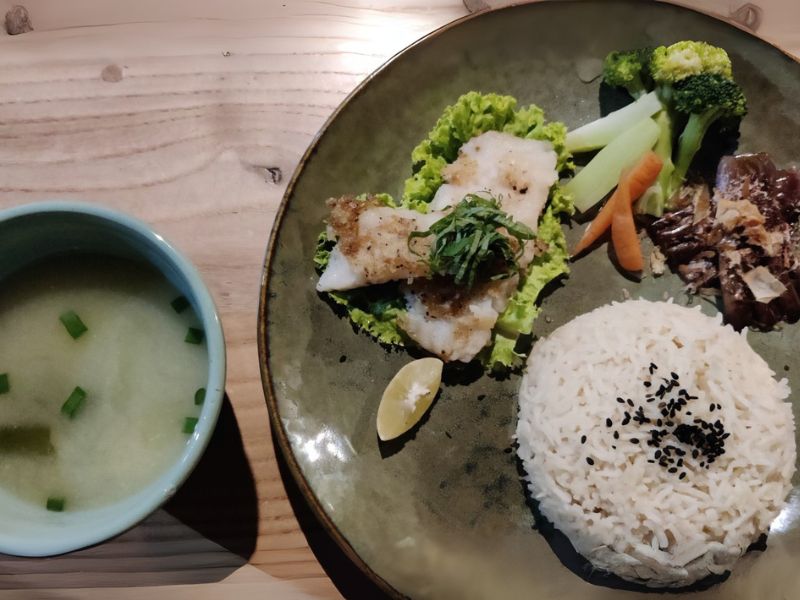
In the home, you’ll be guided through its restoration story, share conversations on self-sufficient living, and tour the family farm. Meals here are special, multicultural in flavour, where Japanese customs meet Ladakhi traditions.
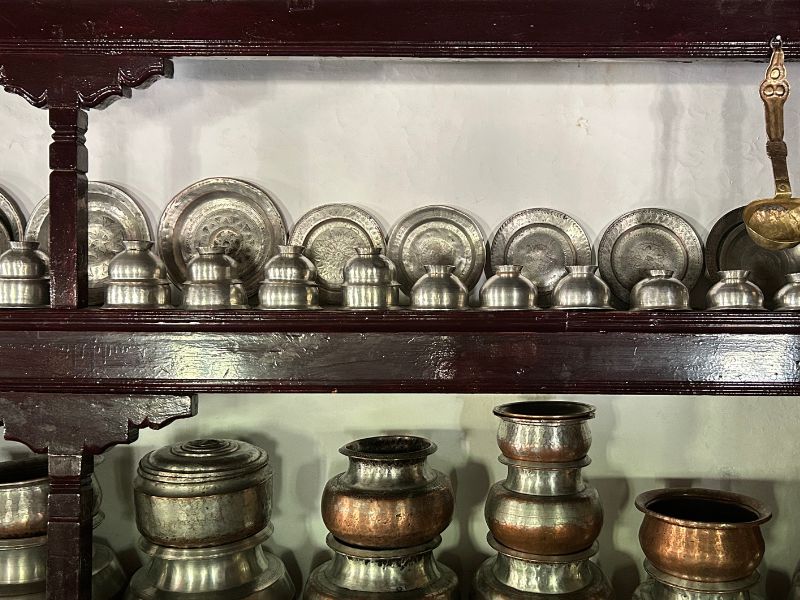
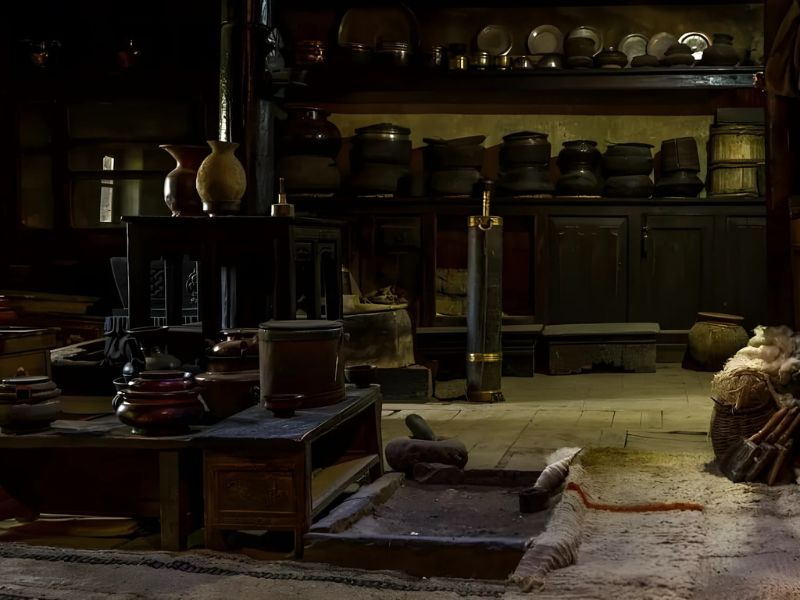
Enjoy a heritage lunch with oral storytelling and heirloom tableware, a guided walkthrough of an ancestral home turned living museum, a visit to a 19th-century palace now home to Ladakh’s last royal family, and unhurried walks through the surrounding village.
river rafting, indus valley
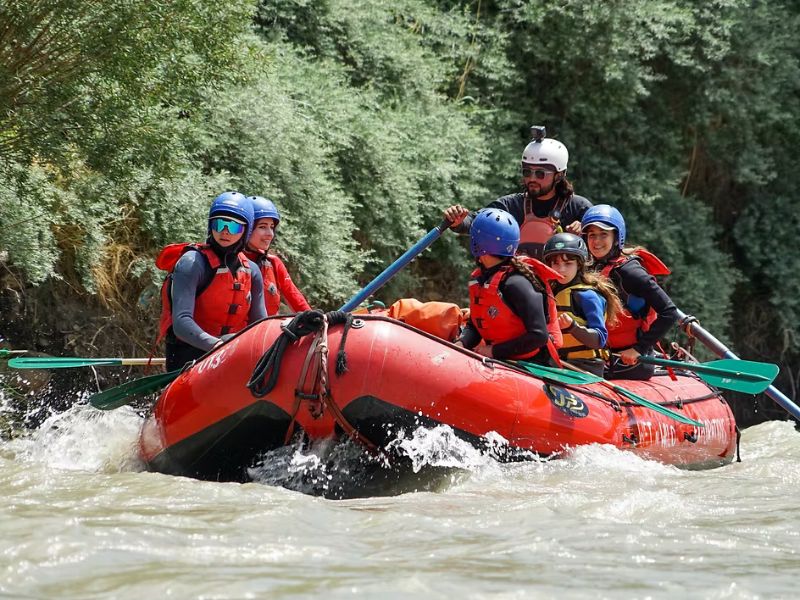
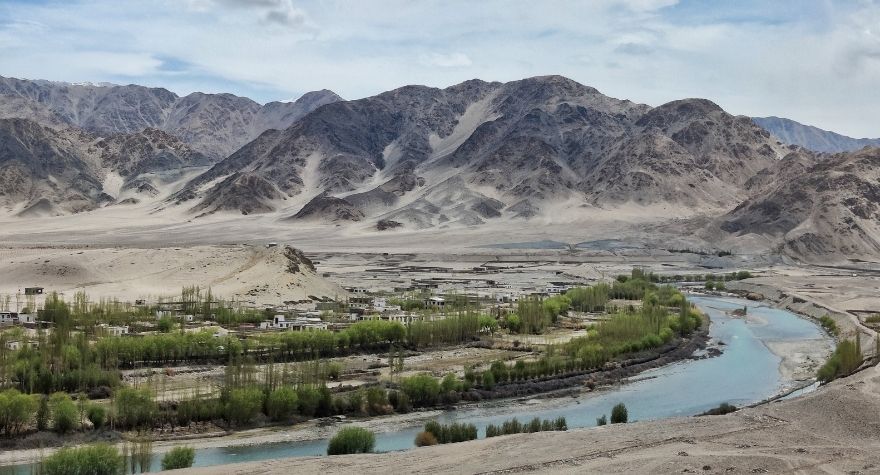
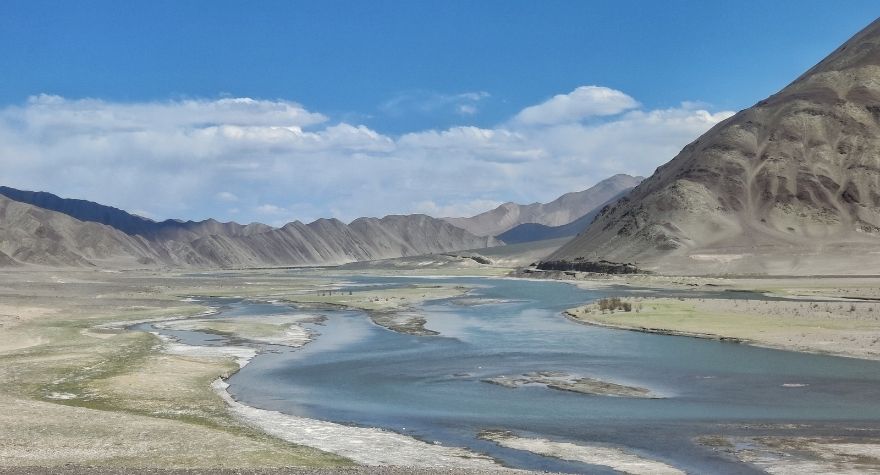
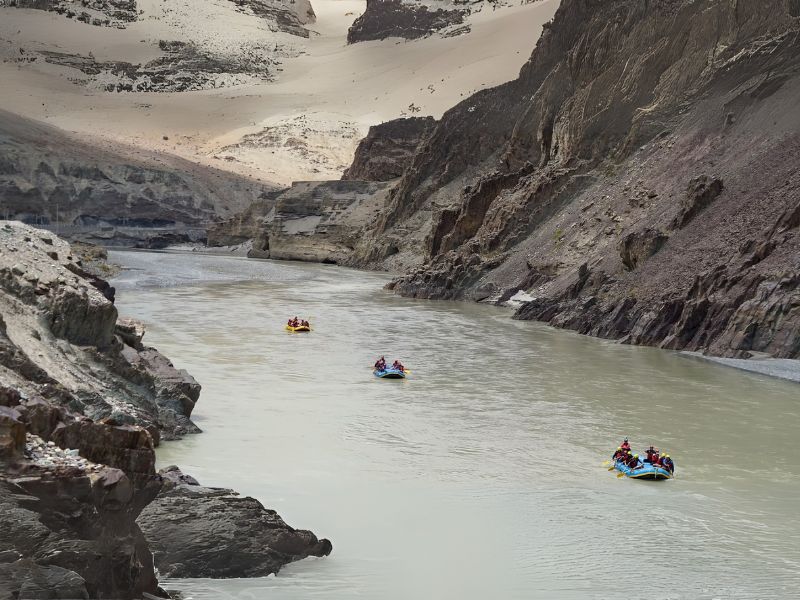
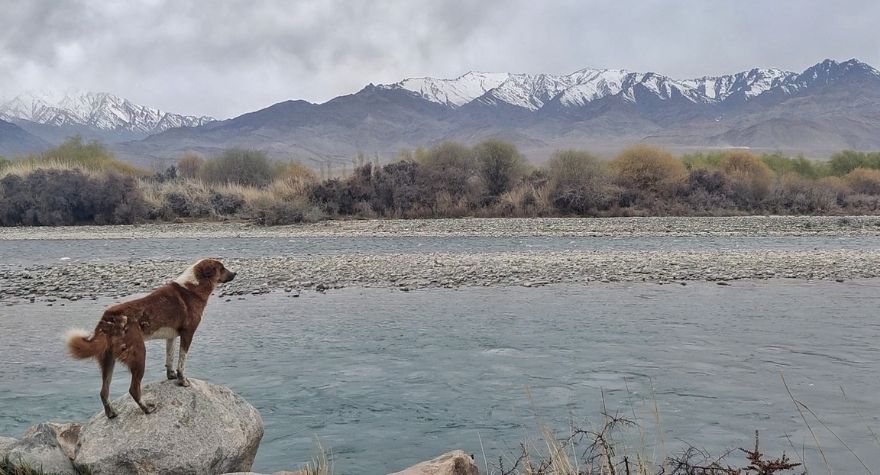
Rafting down the Indus is less about thrill and more about surrendering to the flow of a river that has carried caravans, kings, and civilisations along its banks for millennia. The waters here are steady and welcoming, offering a chance to simply drift, watch, and listen.
As you float, the world slows down: nomadic trails crisscross the valleys, the occasional monastery clings to a faraway ridge, and the wide, open skies mirror the vastness of the journey. This is not just a river ride, it is an immersion into Ladakh’s quiet power, where history and geography meet in flowing harmony, inviting you to feel part of something far greater than yourself.
how it works
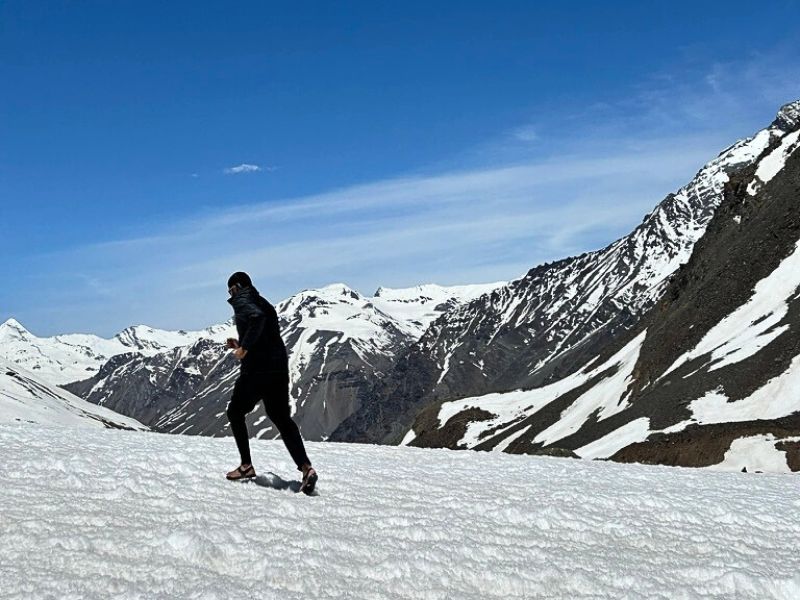
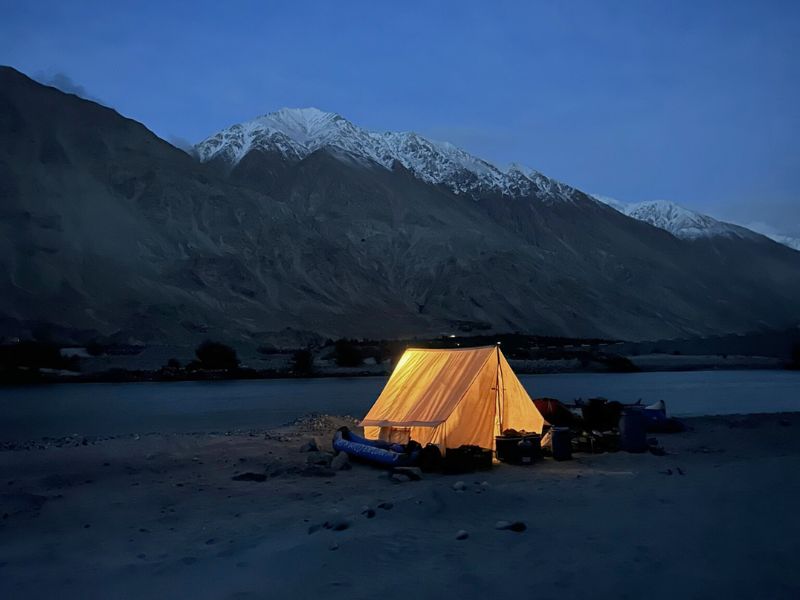
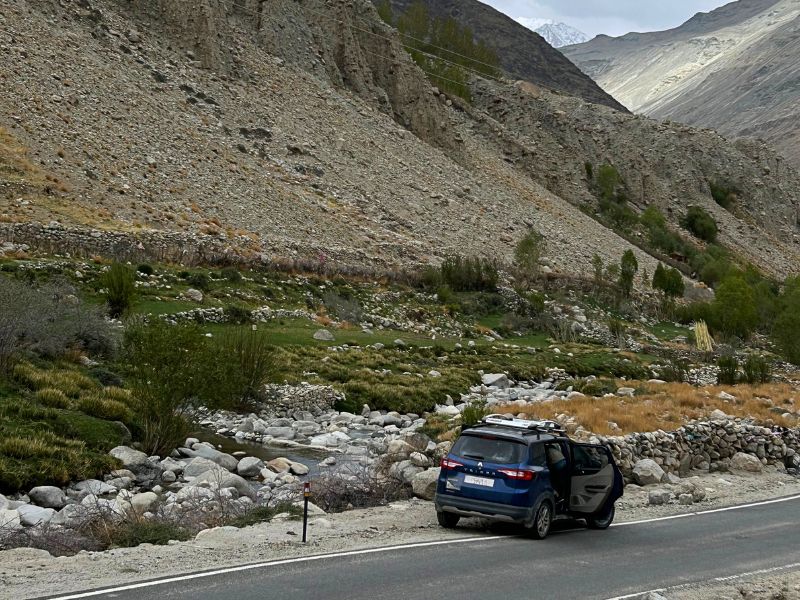
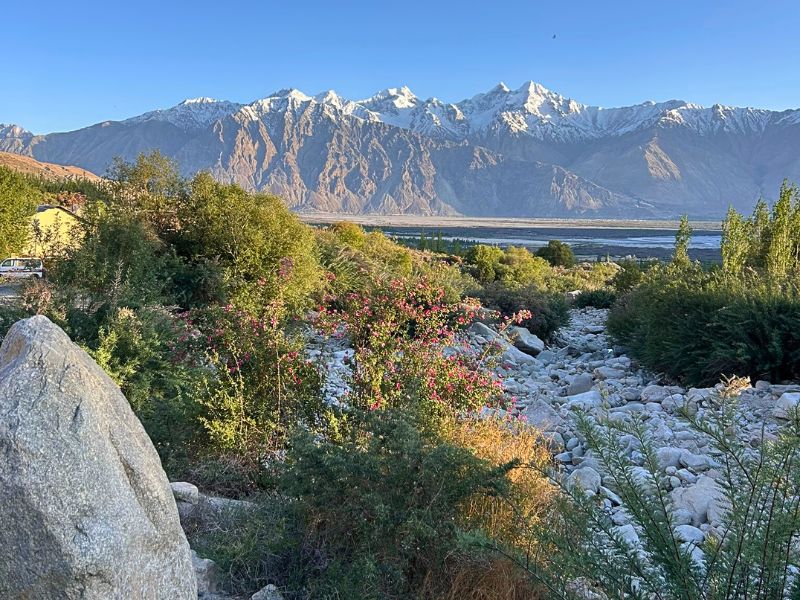
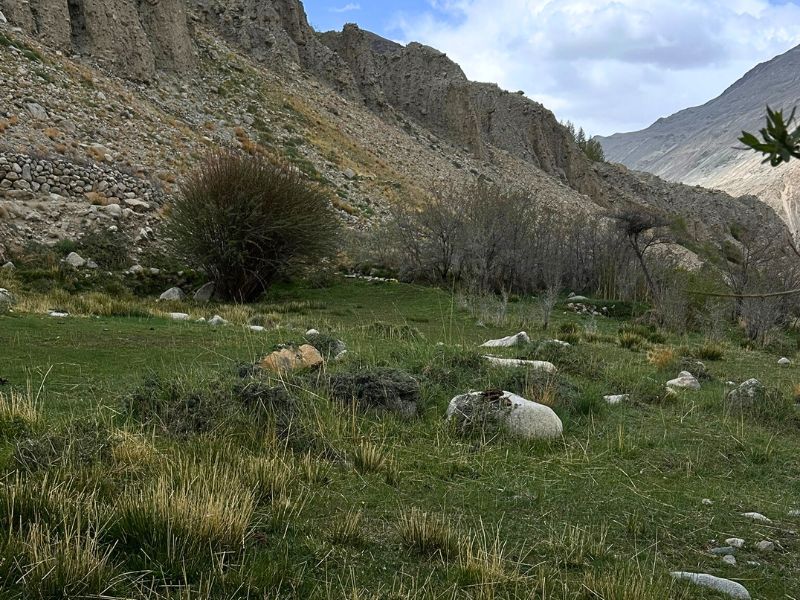
This is a self-guided overland journey, designed and facilitated entirely by the Knowhere Travel team, and hosted on-ground by trusted local partners and friends. You’ll travel in comfortable vehicles along a route we’ve curated to balance flexibility with depth. Ahead of your trip, we’ll provide a detailed orientation and a deeply comprehensive guidebook (your companion to the region’s histories, ecologies, cultures, and people) which will include thoughtful recommendations for places to visit, eat at, and people to engage with along the way.
The standard trail runs across 15 days, but the itinerary is fully modular. You can choose to follow the core route or extend your journey by adding stays and regions mentioned in the “Elevate Your Journey” section that fit naturally into your itinerary and add their own unique depth.
This isn’t a scripted experience. The depth and shape of your journey will depend on your own curiosity and enthusiasm. On the questions you ask, the interests you follow, and the aspects of heritage that resonate most with you, whether that’s food, architecture, craft, or landscape. The people you’ll meet aren’t trained performers. You will be engaging in real conversation, not recited scripts. This makes each interaction unique, and ultimately, your openness defines how immersive the experience becomes.
food
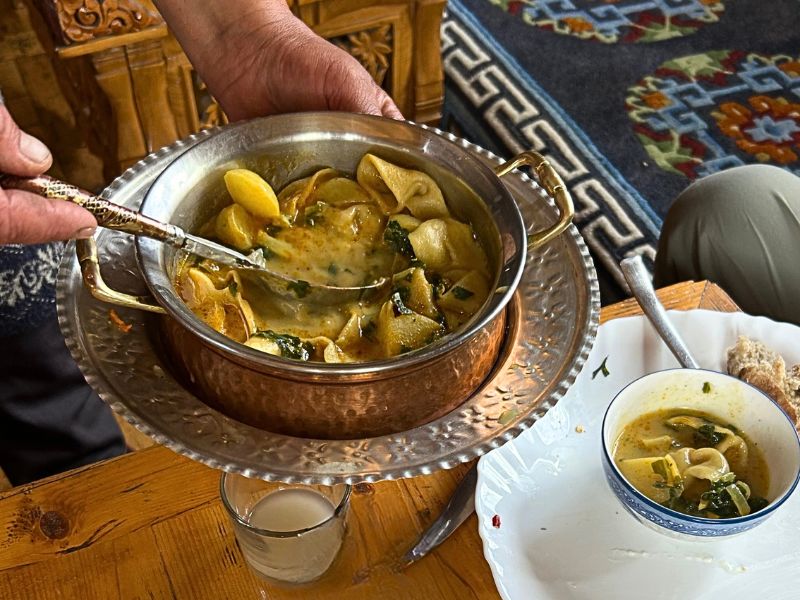
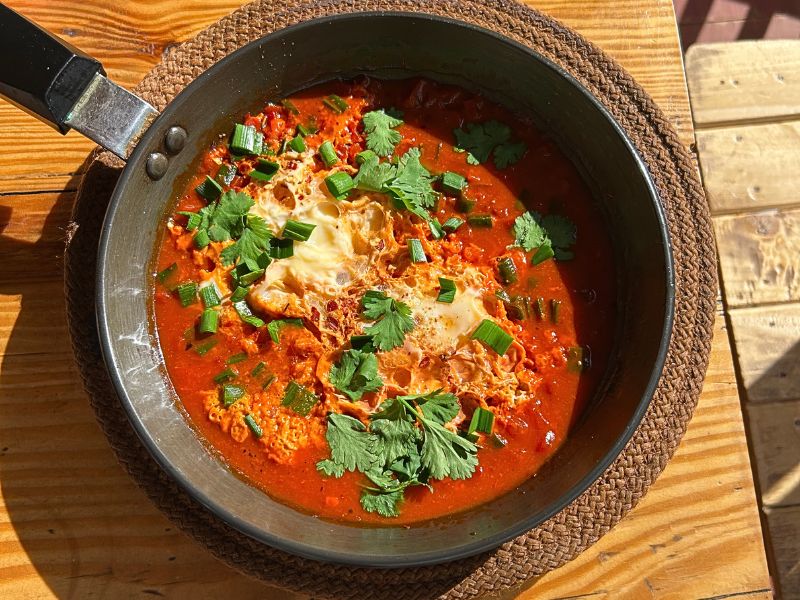
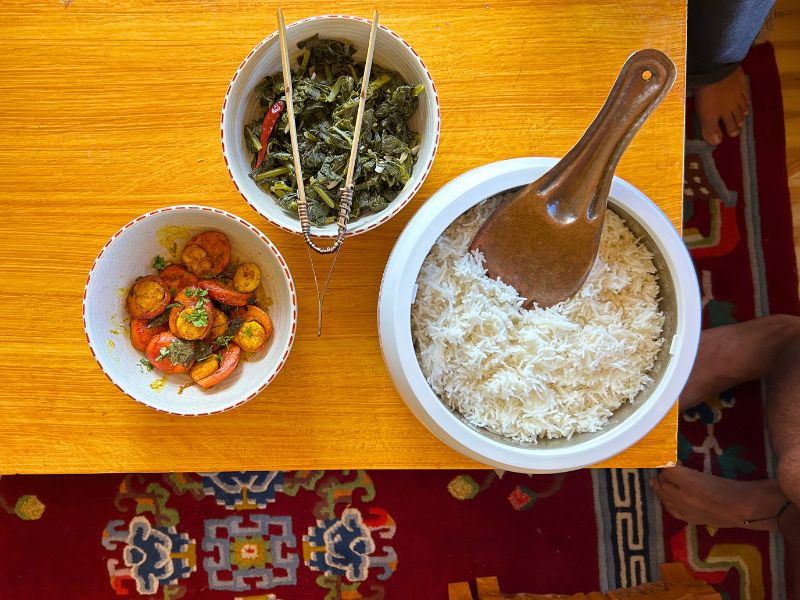
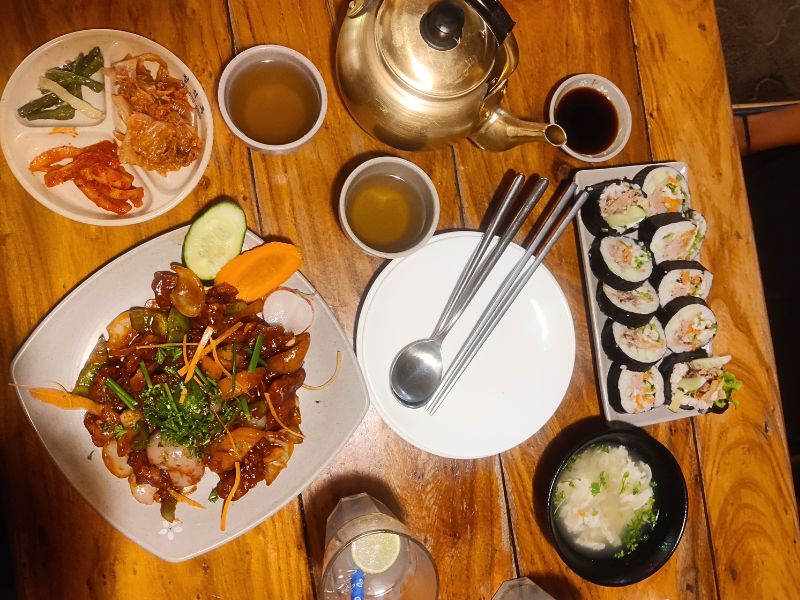
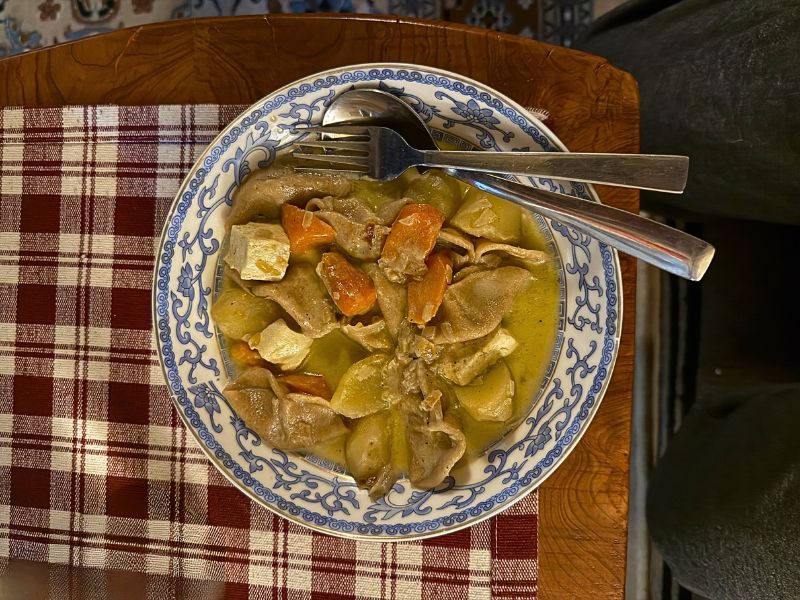
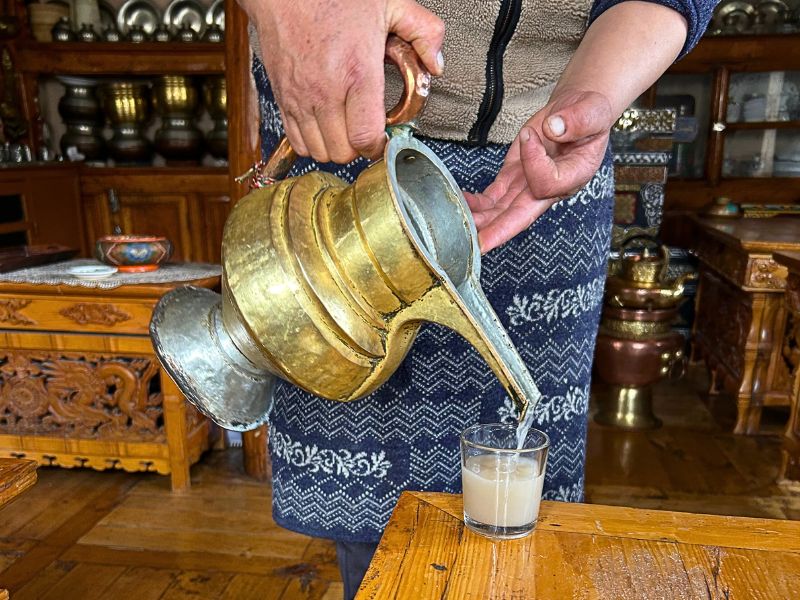
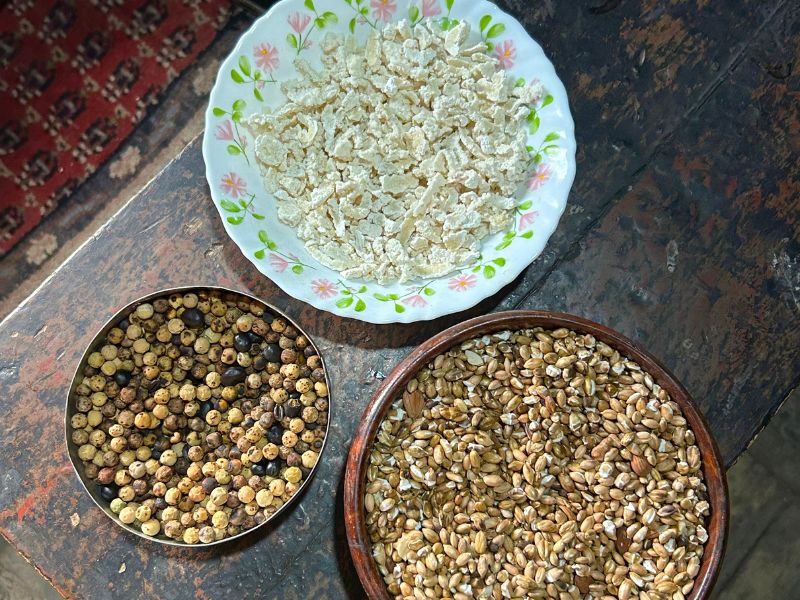
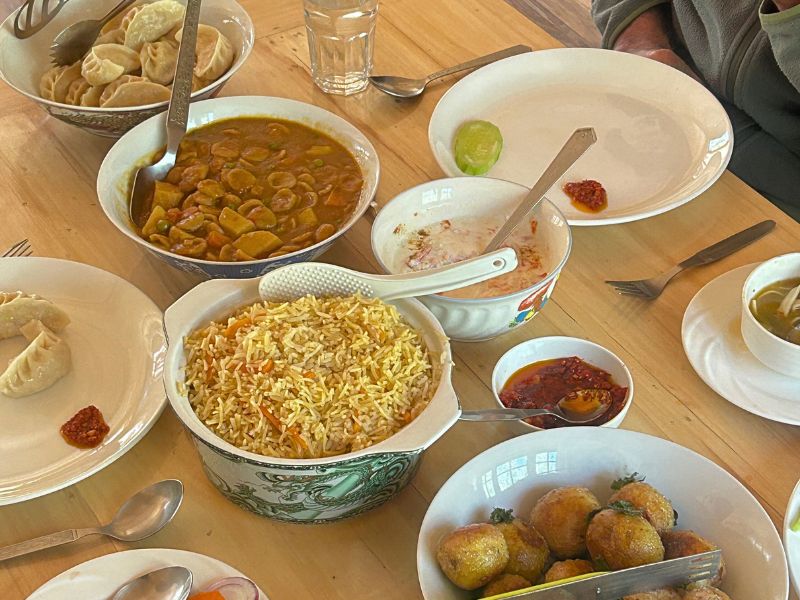
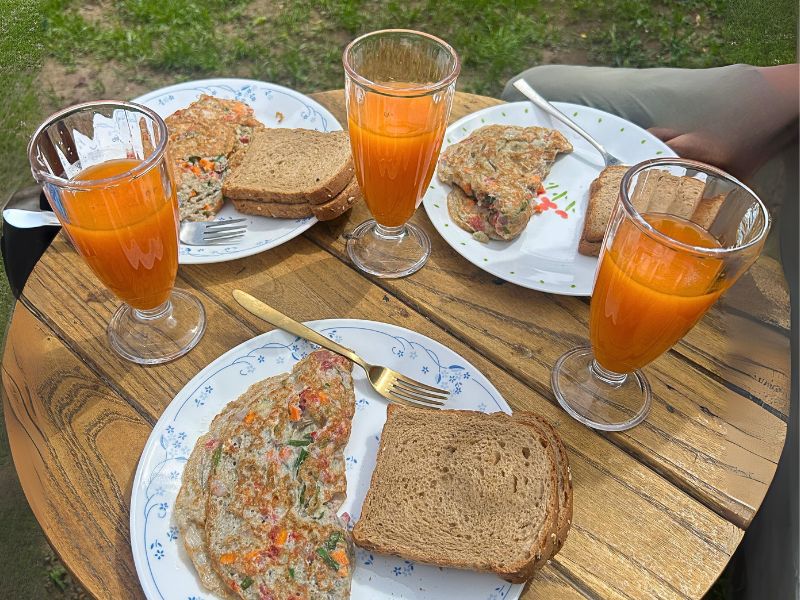
Every home along the trail serves home-cooked meals, often prepared with fresh and seasonal ingredients from the family farms or local village markets. While Ladakhi cuisine anchors the table, what’s served is also a window into the evolving idea of authenticity. You may eat traditional dishes like skyu or thukpa one day, and find dal and rice, salads, or homemade bread pockets the next. Some recipes might be passed down from generations while some might reflect flavours picked up during a host’s travels.
What’s on your plate is less about strict tradition and more about the lived experiences of the people who cook for you, their stories, influences, and the rhythm of daily life in these homes. Authenticity, here, is not a performance. It’s simply what is: generous, unpolished, and real.
shelter
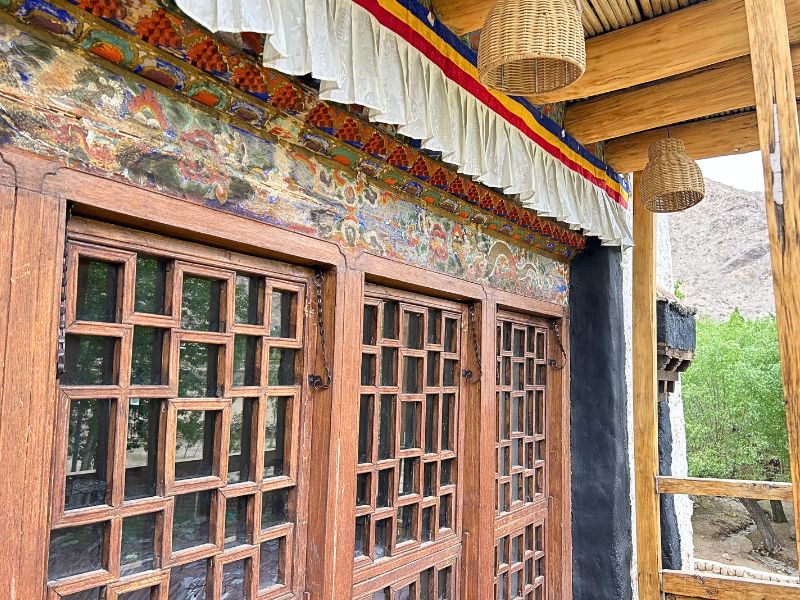
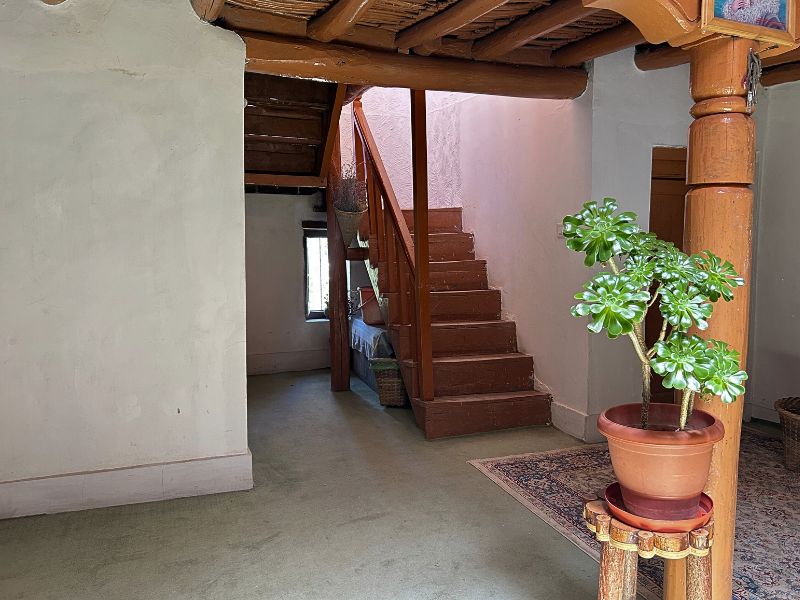
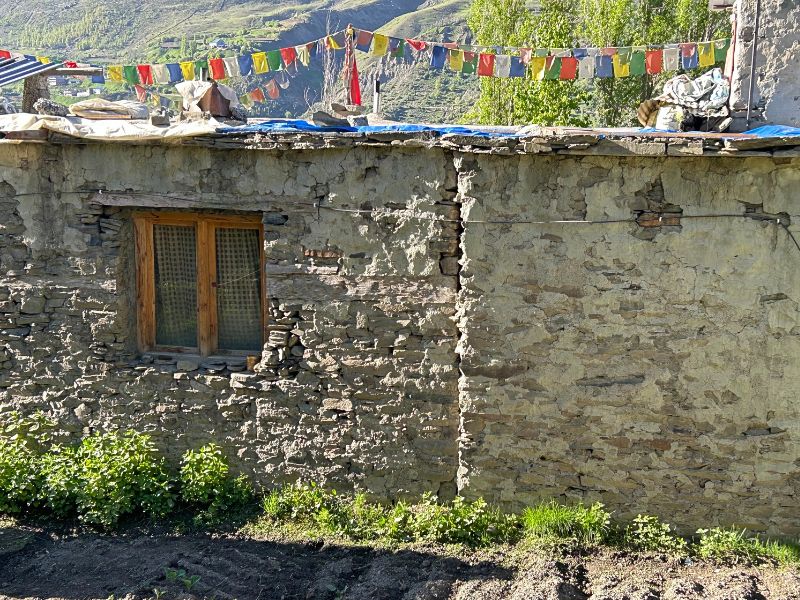
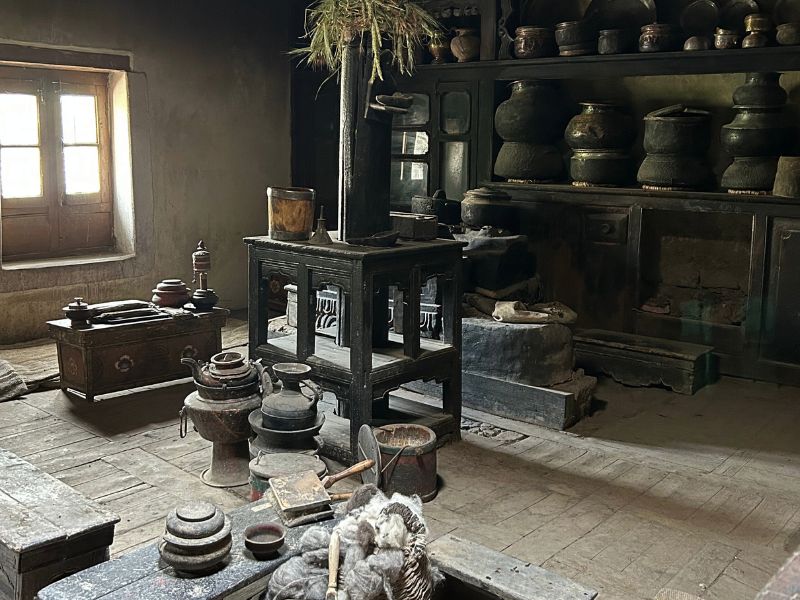
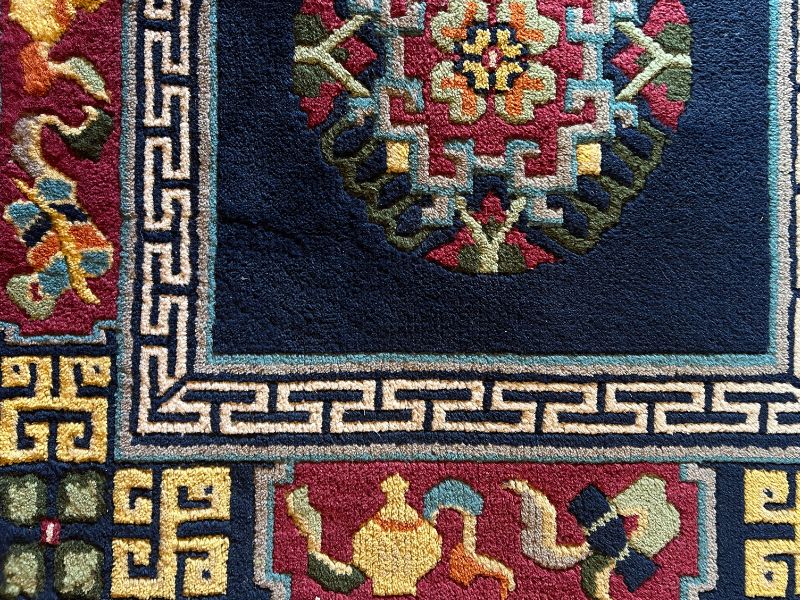
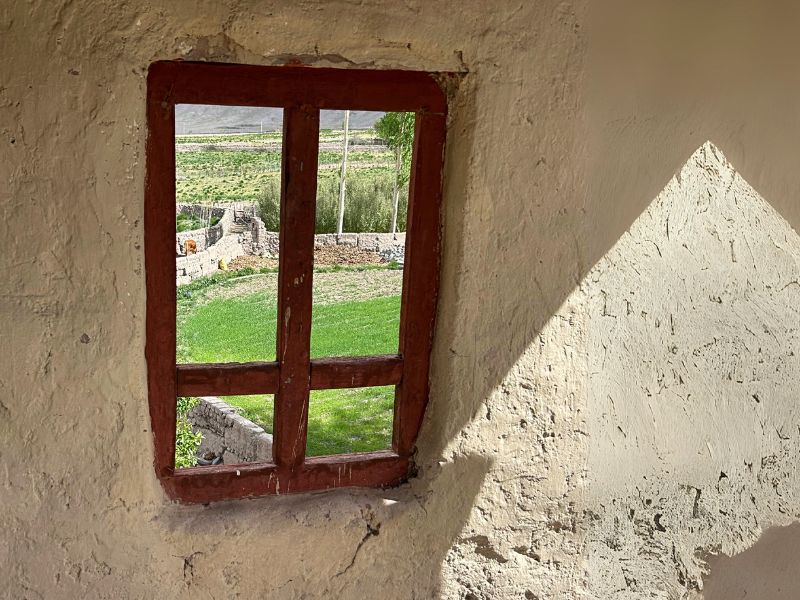
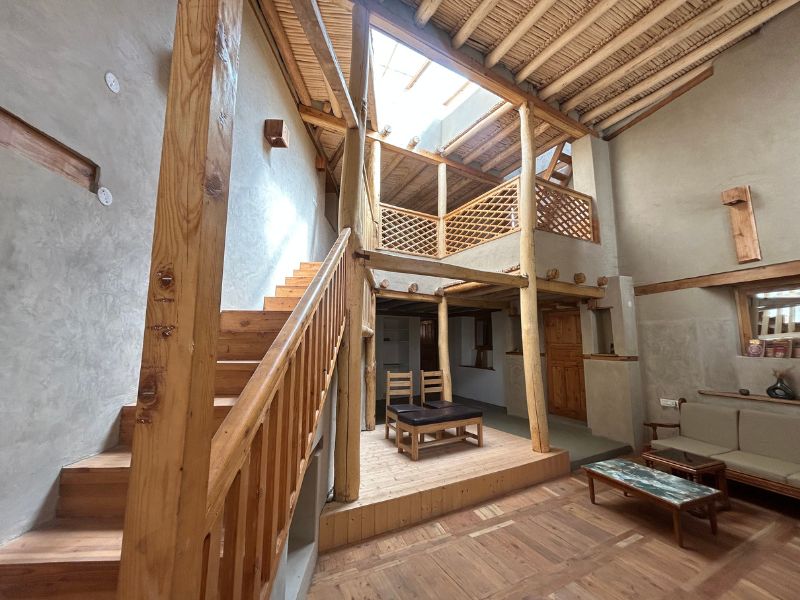
The homes you’ll stay in along Lost & Found are ancestral properties, lovingly restored by the current or recent generations of the families that once built them. These houses were shaped by the wisdom of another time, constructed with materials and sensibilities suited to the region’s unique seasons, landscapes, and ways of life.
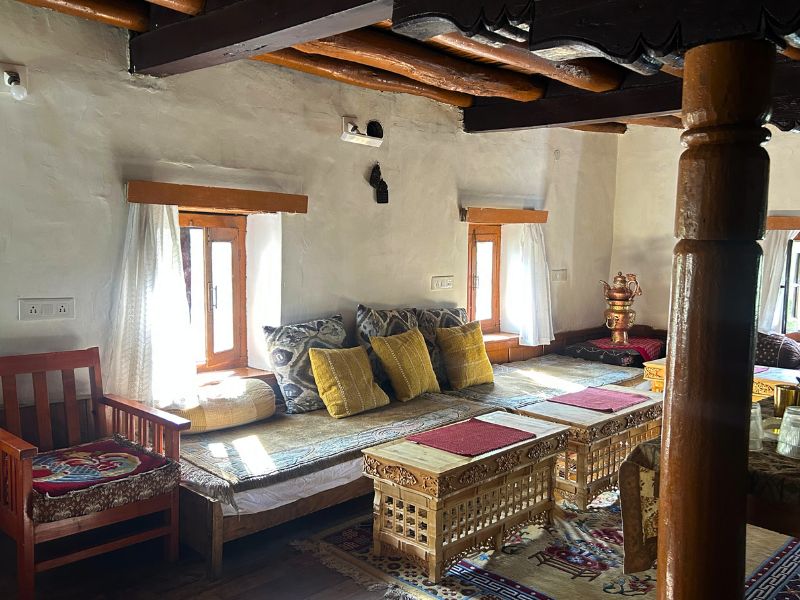
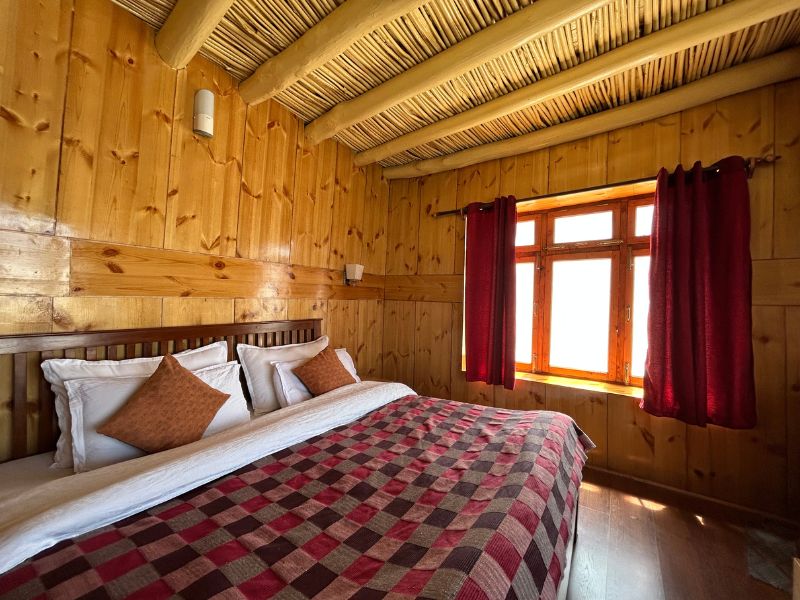
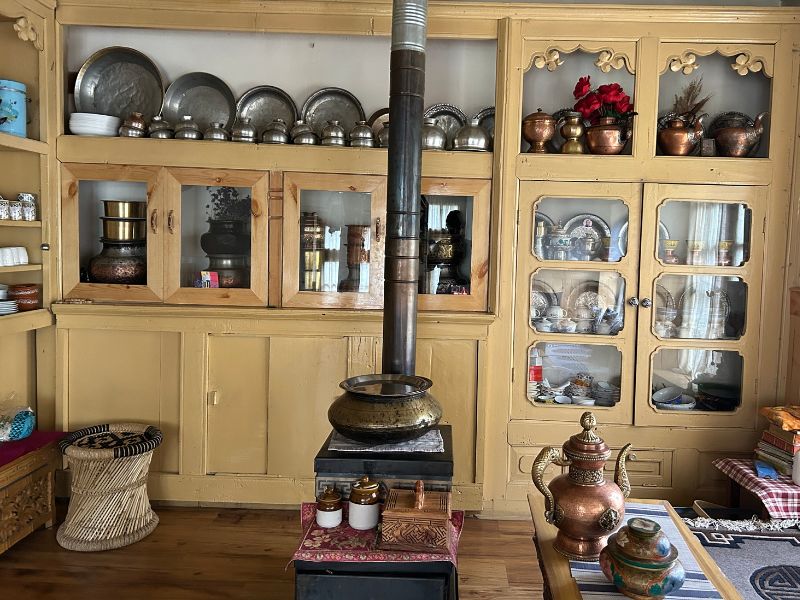
The structure of traditional Ladakhi homes is crafted by the poplar beams spanning the rooms; between them, lattices of willow and straw are packed with clay to keep warmth in. Light drops through a skylight above the chansa (the hearth-room) where a clay stove, and brass vessels anchor daily life. Along the sun-washed limestone façade, a projecting rabsal window lays overhanging. Up timber stairs, the family shrine holds thangkas and butter lamps. Floors are tamped earth, walls of sun-dried mud brick and timber, doors thick and low to hold in heat.
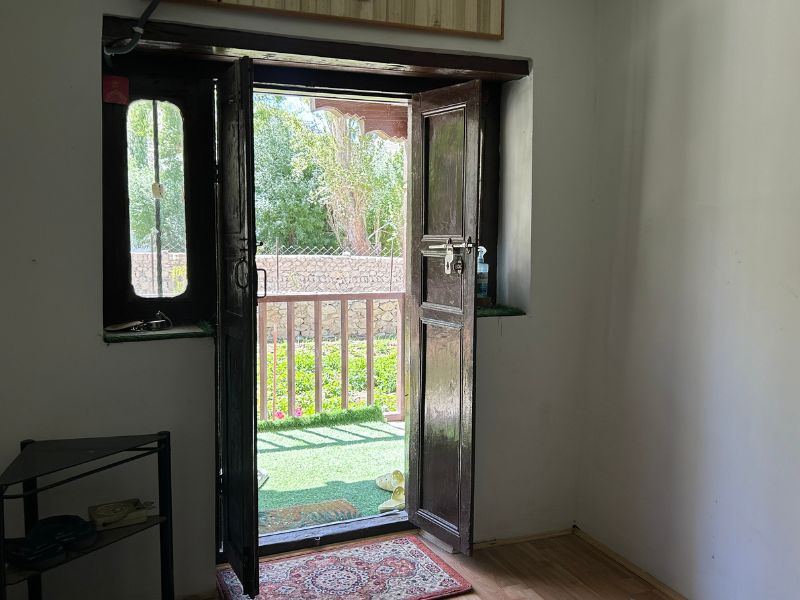
In bringing these homes back to life, many families have chosen to preserve what they felt was essential even if that means certain modern comforts (like attached private bathrooms) may be absent in some rooms. Although in most cases, there are dedicated bathrooms and all bathrooms are equipped with modern comforts. We would like to present the point of view that these choices are not limitations, but reflections of how spaces were once lived in and an invitation to experience that history more intimately.
Rest assured, your stay will be warm and comfortable. Thoughtful care has gone into ensuring modern amenities are available where it matters. But expect natural materials, handmade finishes, and rooms that retain their original character. This is a different kind of hospitality. You won’t find room service or staff waiting on command. Most homes invite you to share meals with the hosts, and engage in conversation.
This is travel that nudges you to step out of the familiar rhythms of leisure and into a space of mutual respect, participation, and reflection. It’s an opportunity to learn about place, about people, and perhaps even about yourself. We invite you to come with openness, and to be part of something quietly transformative.
getting there & weather
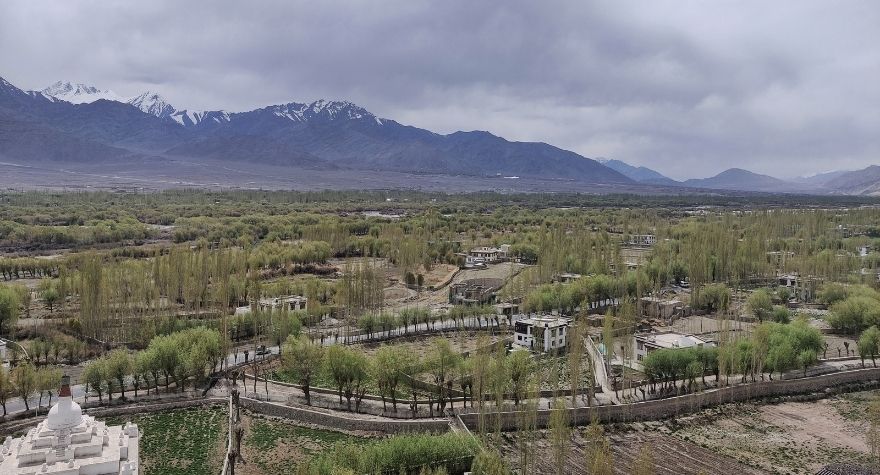
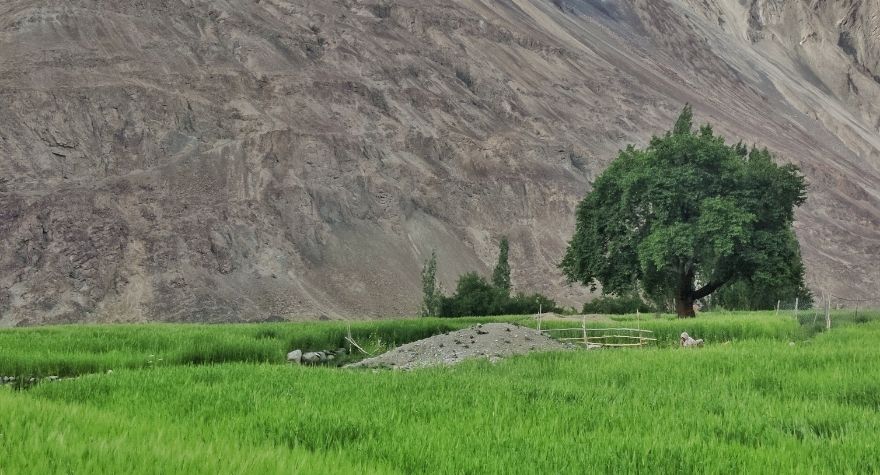
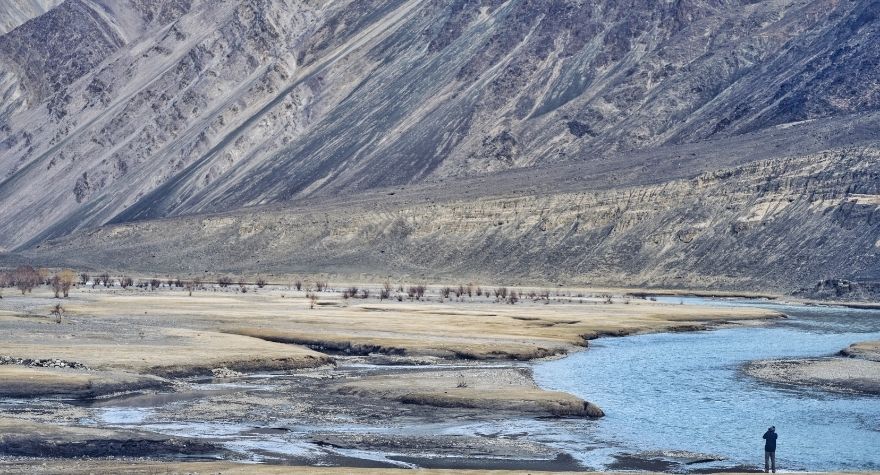
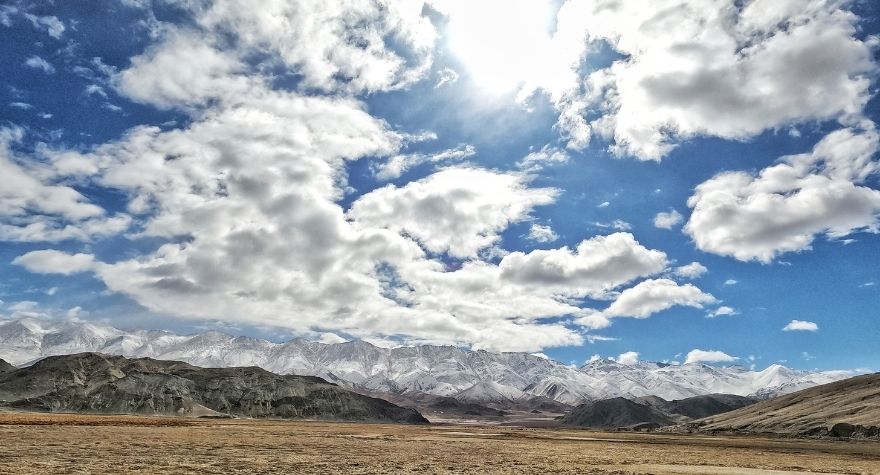
For the 15 day trail, your journey begins and ends at Leh Airport.
Our journeys run from May 1st to September 30th, offering the best weather conditions to explore Ladakh’s breathtaking landscapes. In rare cases, we may begin in late April or extend into early October, depending on the season’s conditions. Temperatures vary throughout the months:
May: High of 20°C, Low of 8°C
June: High of 22°C, Low of 10°C
July: High of 25°C, Low of 13°C
August: High of 26°C, Low of 13°C
September: High of 22°C, Low of 13°C
Please note that higher-altitude regions like Changthang can be significantly colder, especially at night. A detailed packing list will be provided upon confirmation to help you prepare for varying conditions.
is this for me?
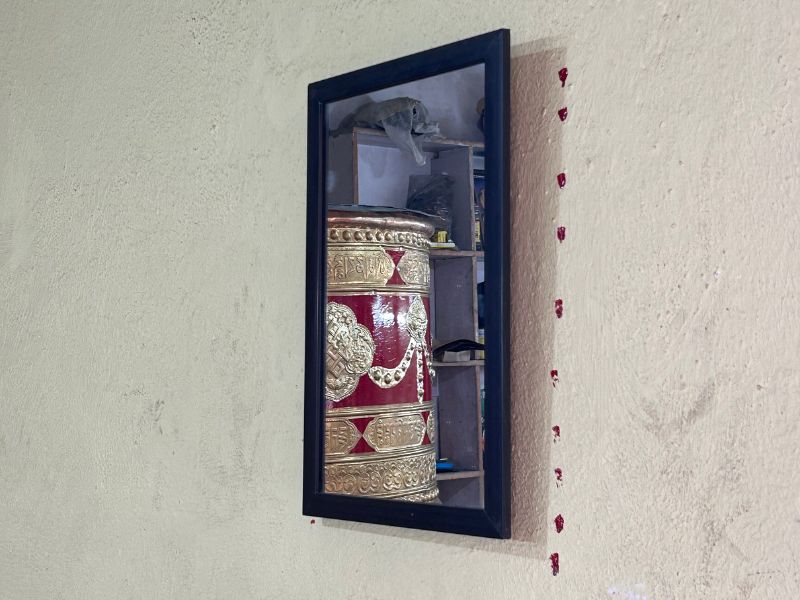
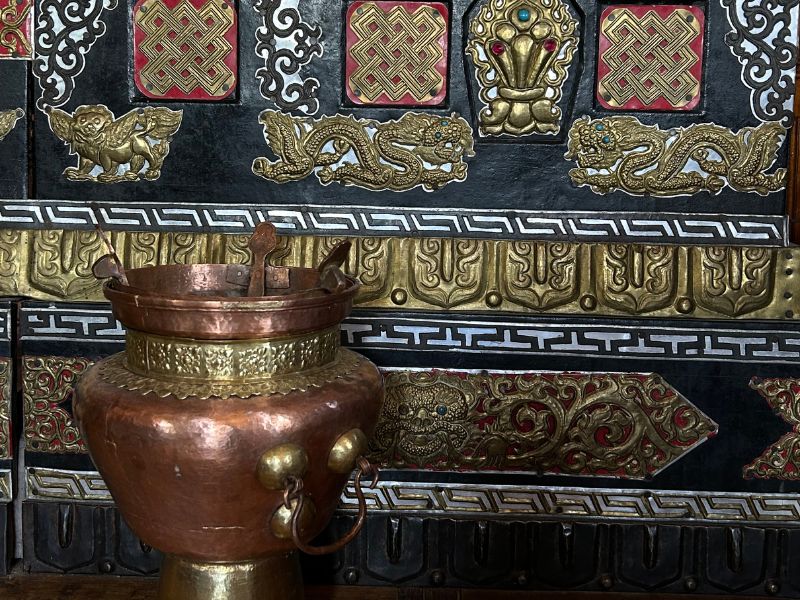
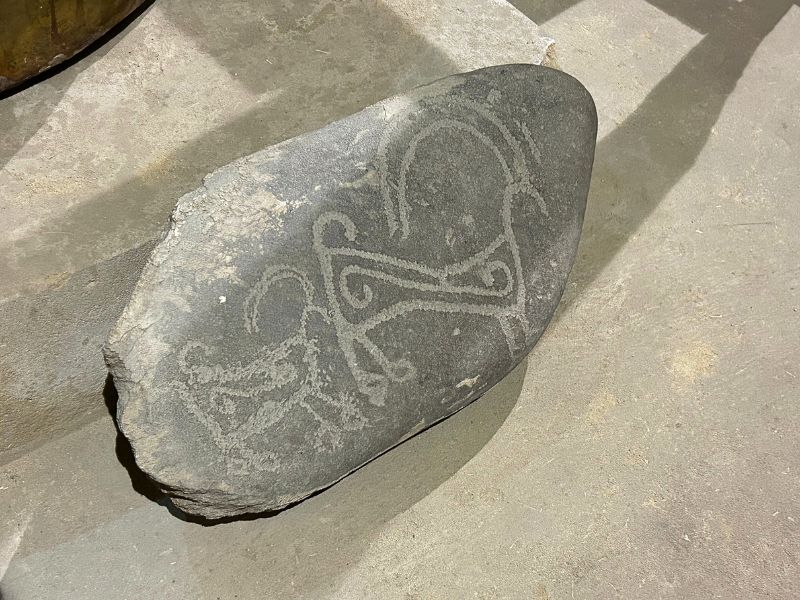
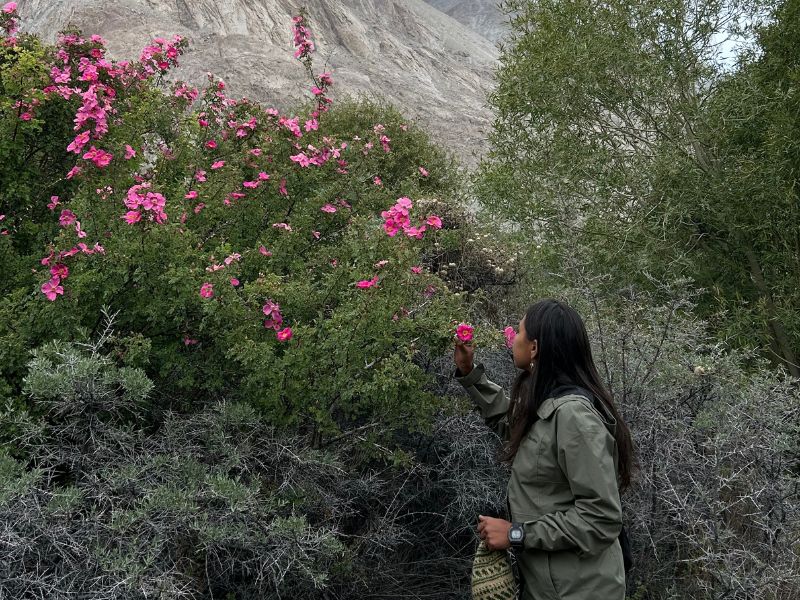
This adventure is for the curious traveller, someone who seeks to understand how people live, what they eat, how they build, what they remember, and what they choose to preserve. It’s for those who know that tourism isn’t always about leisure; it can also be a quiet, meaningful way to widen your lens, challenge assumptions, and build relationships rooted in respect.
This experience is ideal for travellers interested in indigenous food and time-honoured recipes, for those drawn to culture and history, but are looking for experiences more alive and intimate than a museum visit.
Architecture buffs and lovers of vernacular design, nature enthusiasts who prefer a slower pace and the space to truly observe the world around them will find this an enriching and refined escapade. More importantly, this trip serves those who want to travel responsibly to support communities, and help ensure that heritage is preserved and carried forward in its truest form.
pricing
Join the journey between mid April to mid October!
Pricing
2 persons in 1 room – Rs. 109,899 per person
3 persons in 1 room – Rs. 89,899 per person
3 persons in 2 rooms – Rs. 101,499 per person
4 persons in 2 rooms – Rs. 84,399 per person
5 persons in 2 rooms – Rs. 76,699 per person
5 persons in 3 rooms – Rs. 82,399 per person
Children below age 5 are not charged and children between ages 5-10 are charged 40% of the adult fee. Children above 10 years are charged full.
Includes
Accommodation and transportation in one car (Innova or similar), daily breakfast, five dinners, and three picnic lunches arranged as part of the activities, daily tea and coffee twice a day, guided heritage walk in Leh, guided Geology walk, guided heritage orchard tour with lunch in Sham Valley, guided walk at Tashi’s Citadel, high tea by Pangong Tso, guided high-altitude hike with local lunch at Pangong Tso, guided hike to pasture lands with picnic lunch at Rong Valley, heritage home visit with tea and snacks in Nubra, heritage dining experience in Indus Valley, early morning prayers at Thiksey.
Excludes
Transportation outside of the planned itinerary, meals not specified in the inclusions, air conditioning in the car, gratuities for guides or drivers, travel insurance, adjustments or modifications to the itinerary due to acts of god, political unrest, or pandemics, entry fees to monuments or sites, any personal purchases or expenses, any services not explicitly mentioned in cost inclusions.
Join the journey between mid April to mid October!
Pricing
2 persons in 1 room – Rs. 109,899 per person
3 persons in 1 room – Rs. 89,899 per person
3 persons in 2 rooms – Rs. 101,499 per person
4 persons in 2 rooms – Rs. 84,399 per person
5 persons in 2 rooms – Rs. 76,699 per person
5 persons in 3 rooms – Rs. 82,399 per person
Children below age 5 are not charged and children between ages 5-10 are charged 40% of the adult fee. Children above 10 years are charged full.
Includes
Accommodation and transportation in one car (Innova or similar), daily breakfast, five dinners, and three picnic lunches arranged as part of the activities, daily tea and coffee twice a day, guided heritage walk in Leh, guided Geology walk, guided heritage orchard tour with lunch in Sham Valley, guided walk at Tashi’s Citadel, high tea by Pangong Tso, guided high-altitude hike with local lunch at Pangong Tso, guided hike to pasture lands with picnic lunch at Rong Valley, heritage home visit with tea and snacks in Nubra, heritage dining experience in Indus Valley, early morning prayers at Thiksey.
Excludes
Transportation outside of the planned itinerary, meals not specified in the inclusions, air conditioning in the car, gratuities for guides or drivers, travel insurance, adjustments or modifications to the itinerary due to acts of god, political unrest, or pandemics, entry fees to monuments or sites, any personal purchases or expenses, any services not explicitly mentioned in cost inclusions.